Search


20 Mar 2026
Search
20 Mar 2026

Please allow ads as they help fund our trusted local news content.
Kindly add us to your ad blocker whitelist.
If you want further access to Ireland's best local journalism, consider contributing and/or subscribing to our free daily Newsletter .
Support our mission and join our community now.
To continue reading this article, you can subscribe for as little as €0.50 per week which will also give you access to all of our premium content and archived articles!
Alternatively, you can pay €0.50 per article, capped at €1 per day.
Thank you for supporting Ireland's best local journalism!


For many of us, skincare begins and ends with what we apply to our face.
Cleansers, serums and moisturisers dominate the conversation when it comes to looking after our skin, while one of the most frequently used objects in our daily lives is almost entirely overlooked: your phone.
Handled constantly, rarely cleaned and pressed directly against the skin, it has slowly become one of the most common – and underestimated – contributors to irritation and even infection.
The rise of “phone acne”
“Phone acne” might not be a formal medical diagnosis, but dermatologists say the pattern they see in their patients is familiar.
Dr Munir Somji, chief medical officer and founder of DrMediSpa, explains that phones “come into contact with our hands, bags, make-up and countless surfaces throughout the day”, meaning they quickly accumulate oil, bacteria and debris.
“When the screen is then pressed against the skin, particularly along the cheek and jawline, that build-up can transfer onto the skin,” he says.
“Combined with heat and friction from the phone itself, this can irritate the skin barrier and contribute to breakouts.”
Consultant dermatologist Dr Derrick Phillips has seen similar cases in clinics, particularly during the pandemic when phone use increased.
“Some patients developed asymmetrical flare-ups of acne on one side of the face,” he explains, “typically the side where they held their phone.”
While phones are unlikely to be the root cause of acne, both experts say they can act as an aggravating factor – especially for those already prone to breakouts.

Aesop Resurrection Rinse-Free Hand Mist, £13, Look Fantastic
What’s actually living on your screen
It’s not just a vague idea of “dirt” – phones can harbour a surprising mix of substances.
“Phone screens tend to collect skin oils, sweat, make-up residue, dust and everyday bacteria from hands and surfaces,” says Somji.
Phillips explains that studies have identified common skin bacteria such as Staphylococcus aureus and Staphylococcus epidermidis on mobile devices, alongside dead skin cells and environmental debris.
Given how often we check our phones – and how rarely we clean them – it’s easy to see how this build-up accumulates.
And unlike other everyday items, phones are often pressed directly against the face or hands that then touch the face, creating a direct transfer point between bacteria and skin.
How your phone affects your skin
The impact of a dirty phone goes beyond the occasional spot.

“The most common concerns tend to be breakouts and clogged pores, particularly along the cheeks, jawline and chin,” says Somji, “[but] some people may also experience irritation or redness, especially if they already have sensitive or reactive skin.”
Phillips explains that it’s not just bacteria at play, but a combination of factors.
“The heat from the device, friction against the skin and the occlusion created when the phone is held tightly to the cheek can trap sebum, sweat and dirt in the pores,” he says.
This creates an environment where breakouts are more likely to develop – particularly in areas already prone to congestion.
In some cases, even light emitted from screens may play a role. “There is emerging research suggesting short wavelength visible light may influence certain skin bacteria,” Phillips explains, though he notes that the clinical relevance is still being explored.
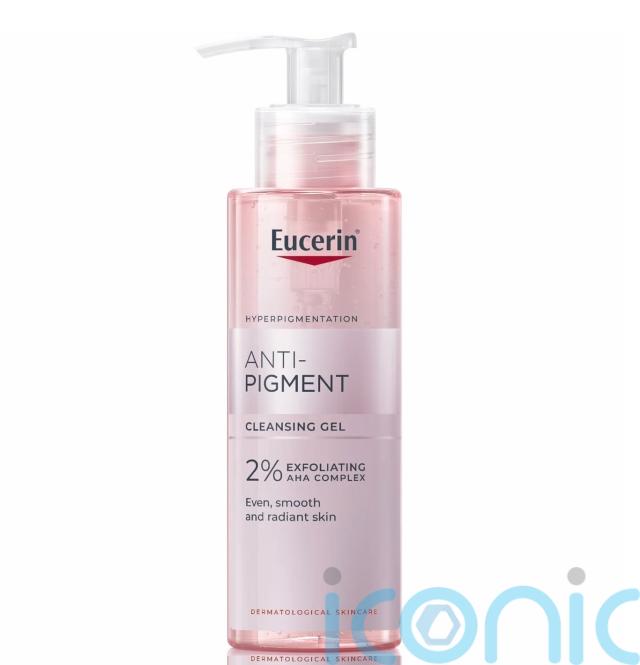
Eucerin Anti-Pigment Cleansing Gel, £19, Boots
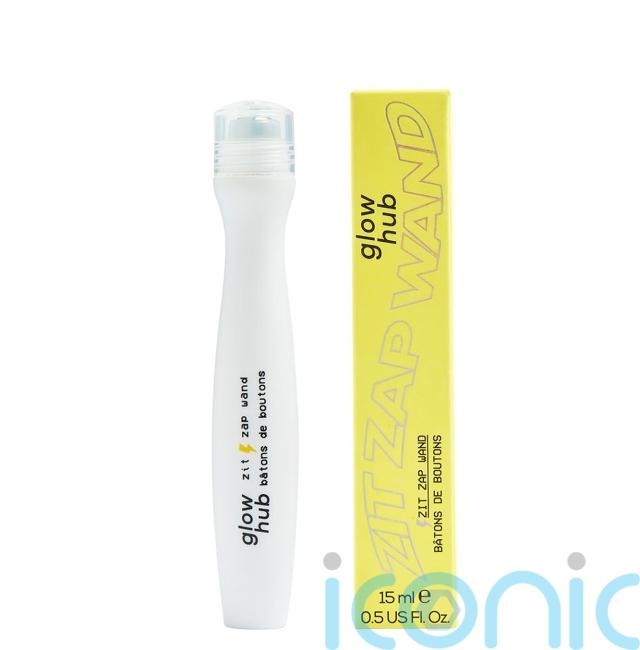
Glow Hub Zit Zap Wand, £8, Sephora
How often should you clean your phone?
If you’re serious about your skincare, the answer is simple: daily.
“Ideally, phones should be cleaned every day, particularly if you regularly hold them against your face,” or touch your face with your hands while using your phone, says Somji, “even a quick wipe once a day can help reduce the build-up of oil and bacteria.”

He also recommends being more mindful after certain activities, such as workouts or using your phone while wearing make-up – both of which can increase residue on the screen.
Phillips agrees, noting that daily cleaning is the most effective way to prevent bacteria transferring from phone to skin.
The good news is that this doesn’t need to be time-consuming. A quick clean with an antibacterial wipe at the end of the day can make a noticeable difference over time.
The safest way to clean your phone
While regular cleaning is important, how you do it matters just as much.
“The safest approach is usually a soft microfibre cloth with a small amount of alcohol-based screen cleaner or disinfectant wipes designed for electronics,” says Somji.
These are formulated to remove bacteria without leaving behind residue that could irritate the skin.
Phillips warns against using harsh household cleaning products. “Bleach or strong detergents can damage the screen and may leave residues that could irritate the skin,” he explains.
Instead, stick to products specifically designed for electronic devices, avoid spraying liquid directly onto the phone and allow the screen to dry fully before using again.
The everyday items you’re forgetting
Phones aren’t the only overlooked culprits when it comes to skin hygiene.
“There are several everyday items people rarely think about,” Somji says, “pillowcases, make-up brushes, reusable face cloths, headphones, hats and even glasses can all collect oil, bacteria and product build-up.”
Phillips also adds that keyboards, laptops and even car steering wheels can also contribute to the transfer of bacteria.
Small changes can make a big difference. Washing pillowcases weekly, cleaning make-up brushes regularly, and being mindful of anything that comes into repeated contact with your face can help reduce irritation and breakouts.
Ultimately, skincare isn’t just about what you apply but about what your skin comes into contact with.
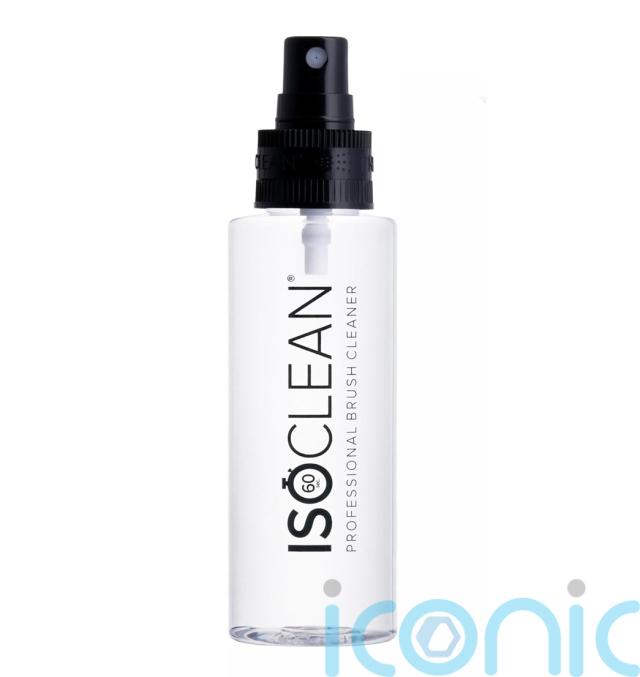
ISO Clean Make-up Brush Cleaner with Spray Top, £6
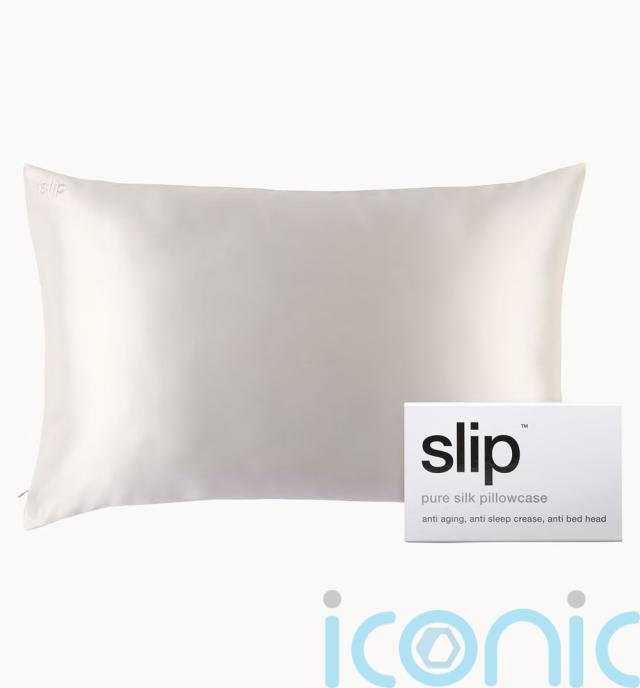
Slip Pure Silk Pillowcase, £110, Space NK

Subscribe or register today to discover more from DonegalLive.ie
Buy the e-paper of the Donegal Democrat, Donegal People's Press, Donegal Post and Inish Times here for instant access to Donegal's premier news titles.
Keep up with the latest news from Donegal with our daily newsletter featuring the most important stories of the day delivered to your inbox every evening at 5pm.

This publication supports the work of the Press Council of Ireland and Office of the Press Ombudsman, and our staff operate within the Code of Practice of the Press Council. You can obtain a copy of the Code, or contact the Council, at www.presscouncil.ie, Lo-call 1800 208 080 or email: info@presscouncil.ie.