Search


25 Mar 2026
Search
25 Mar 2026

Please allow ads as they help fund our trusted local news content.
Kindly add us to your ad blocker whitelist.
If you want further access to Ireland's best local journalism, consider contributing and/or subscribing to our free daily Newsletter .
Support our mission and join our community now.
To continue reading this article, you can subscribe for as little as €0.50 per week which will also give you access to all of our premium content and archived articles!
Alternatively, you can pay €0.50 per article, capped at €1 per day.
Thank you for supporting Ireland's best local journalism!


Five advertisements promoting supplements that claimed to ease symptoms of menopause, polycystic ovary syndrome (PCOS), and other hormonal conditions affecting women have been banned.
The ads, for products from brands such as 222 Balance Me, Lunera, Minerva, and Nova Menopause Vitality, suggested their supplements could prevent, treat, or even cure menopause-related symptoms.
The Advertising Standards Authority (ASA) said many of the claims made in these ads were unacceptable and not only breached advertising regulations but also risked misleading vulnerable individuals or discouraging those in need from seeking proper medical advice.
Women are constantly bombarded with advertisements for supplements which come with high promises, but what actually works? Here is some expert advice on what to keep in mind…
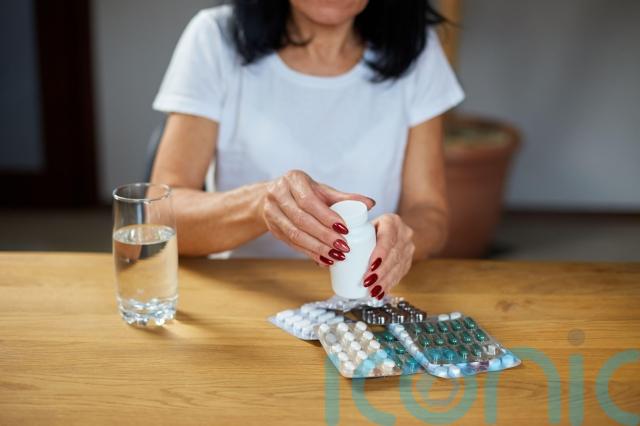
Why is there such a booming market for menopause supplements?
“As women go through perimenopause, they tend to become much more aware of their own bodies and might start to realise that they’re more sensitive to chemicals than they used to be, and may start looking for more natural approaches rather than quick fixes,” reflects Dr Alison Grimston, GP, functional medicine doctor and head of women’s health at Dr Finlay’s Private Practice.
“Also, I think the fact that it’s more difficult to get a GP appointment these days means that people are looking to help themselves first…and are drawn to these supplements that are particularly relevant for menopause.”
What types of symptoms are women usually looking to solve/ease with supplements?
“Common symptoms of perimenopause and menopause include insomnia, feeling tired all the time, increased anxiety, hot flashes and night sweats, mood changes, sleep issues, a lack of sex drive and dryness down below, and recurrent urine infections,” lists Grimston. “Hormonal changes can also affect our nutrient needs and absorption as well.”
What specific vitamins and ingredients might help?
Red clover
“There’s some evidence that red clover can help with things like hot flushes,” says Dr Nikki Ramskill, Doctify-rated GP and the founder of The Female Health Doctor Clinic.
Magnesium
“Magnesium is really important for over 300 different chemical reactions in our cells, and can be particularly helpful for sleep, anxiety, muscle tension and muscle pain, muscle cramps and also nervous system regulation,” says Grimston.
Omega-3
“Omega-3 fatty acids are really important for brain health, for mood, for reducing inflammation and for improving cardiovascular risk,” says Grimston.
Vitamin D

“Vitamin D is really important for bone health, immune function, mood and muscle strength,” says Grimston.
Vitamin B
“Vitamin B is important for energy, stress and nervous system, and women in perimenopause often notice issues with their hair and nails, and B vitamins are important for that too,” says Grimston.
Evidence
“The evidence-based research is quite few and far between and in some cases quite conflicting,” says Ramskill. “But, I think if somebody wants to give something a try, then go for it. Do your research if it’s not working for you, think about why it might not be working.”
What are some important factors to consider?
Medications
“If you are on medication, such as a blood thinner or a blood pressure pill, it’s always a good idea to have a discussion with somebody who’s knowledgeable about the interactions supplements can have with certain medications before jumping to buy them,” says Ramskill.
“For example, something like St John’s Wort can affect the way the contraceptive pill works, which can increase your risk of getting pregnant.”
Individual differences

“It’s important to note that not all supplements suit everyone,” says Grimston.
Ramskill agrees and emphasises that even though the packaging might say it’s a natural product, it’s still pharmaceutical.
“It’s still supposed to be doing something in your body, and you don’t know how your body is going to react to it,” says Ramskill. “So, you do have to be very cautious about what you’re putting into your body.”
Not a quick fix
“Just be aware that supplements aren’t going to work overnight, they aren’t a quick fix,” says Grimston. “We’re just supporting the physiology gradually, and there may not be a tangible improvement.”
Quality check
“Look to see if there is information on the website that tells you how they quality check the supplement and where it comes from,” advises Ramskill. “Does it list out the ingredients to tell you what’s in it? Be mindful that there’s going to be some websites that are more reputable than others.
“Unfortunately, there are things out there that will be fake and they will be harming people unnecessarily.”
Can supplements work alone or do they have to be taken alongside other things, such as a healthy diet and exercise?

“A supplement is only as good as the body that you’re putting it into,” says Ramskill. “If your gut is not absorbing it properly because you’re not eating well, or you’re not exercising or moving, then the supplement is not going to do anything.”
She highlights how routines and consistency are key.
“Make sure your diet is rich in things like omega-3 and try to go to bed and wake up at a consistent time,” recommends Ramskill.
Grimston agrees and adds: “If you are experiencing hot flashes and night sweats, having a separate duvet to your partner and/or wearing cotton-based clothing can also be very helpful.
“Reducing stress as much as you can is also very important.”
If you are someone that continues to struggle with menopause symptoms, seeking a professional opinion may help to uncover the root cause of these issues.
“Think about your symptoms and seek medical advice, whether that be via the alternative route of a functional medicine practitioner, or a GP with interest in women’s health,” advises Ramskill.

She highlights that often you can learn a lot through blood testing and DNA testing.
“There’s things you can find out about yourself in testing that actually a supplement is not going to fix until you understand that,” says Ramskill. “For example, some people can’t absorb certain types of B12 and folic acid and need a methylated version of it.
“Other people will need to focus more on taking hormones rather than supplements, because it’s actually the hormones that are causing the problem. If you’ve tried lots of things and nothing seems to be working, have a proper consultation with a professional who can help you get to the root of the issue.”

Subscribe or register today to discover more from DonegalLive.ie
Buy the e-paper of the Donegal Democrat, Donegal People's Press, Donegal Post and Inish Times here for instant access to Donegal's premier news titles.
Keep up with the latest news from Donegal with our daily newsletter featuring the most important stories of the day delivered to your inbox every evening at 5pm.

This publication supports the work of the Press Council of Ireland and Office of the Press Ombudsman, and our staff operate within the Code of Practice of the Press Council. You can obtain a copy of the Code, or contact the Council, at www.presscouncil.ie, Lo-call 1800 208 080 or email: info@presscouncil.ie.