Search


10 Mar 2026
Search
10 Mar 2026

Please allow ads as they help fund our trusted local news content.
Kindly add us to your ad blocker whitelist.
If you want further access to Ireland's best local journalism, consider contributing and/or subscribing to our free daily Newsletter .
Support our mission and join our community now.
To continue reading this article, you can subscribe for as little as €0.50 per week which will also give you access to all of our premium content and archived articles!
Alternatively, you can pay €0.50 per article, capped at €1 per day.
Thank you for supporting Ireland's best local journalism!


If you’ve begun your springtime weeding regime, the next step is likely to be mulching, spreading a layer around your prized plants in beds and borders, whether to suppress weeds, retain moisture or add nutrients to your soil.
But which mulches suit specific jobs?
People get confused when choosing suitable mulches, says David Stanford-Beale, doctor of entomology at MAD (Make A Difference) Company, which develops and sells organic, sustainable and peat-free growing media products.

“Nine times out of 10, a customer is going to choose aesthetics over nearly everything. You want something that just looks nice in your garden and the same with houseplants.
“The one gardener out of 10 cares about the ingredients, the provenance and what they are actually putting in their garden,” he says.
“When you’re looking for a mulch at your garden centre, the key is read the bag, look for an origin and, if you can, buy local.”
There are different mulches which are suitable for a variety of jobs.
Compost
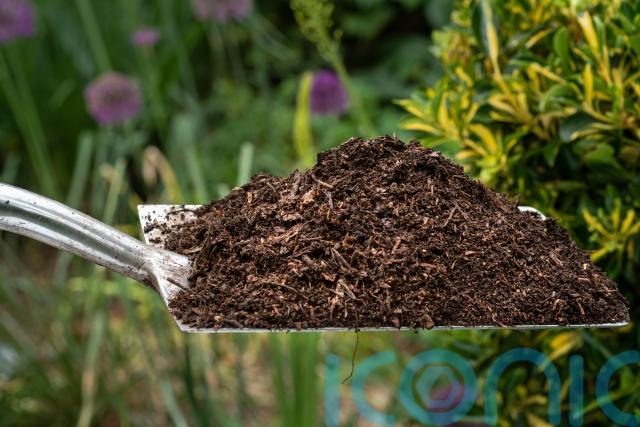
Whether homemade or shop-bought, compost provides hungry plants such as roses and hostas with the nutrients they need, as well as suppressing weeds.
Use it on all soils to help retain moisture and improve soil structure but avoid spreading it around plants such as lavender or salvias, which prefer a drier, nutrient-poor soil, the RHS advises.
Also, be aware that some compost may contain weed seedlings which you’ll need to pick out as you see them.
However, if you have a large area and you are not making your own compost, buying bags of compost can be a really expensive option for mulching, says Stanford-Beale.
Farmyard manure
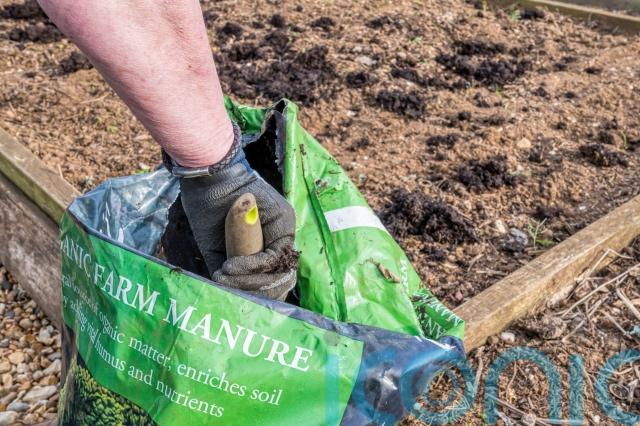
This is a hugely rich compound which is great for moisture retention and adding a wealth of nutrients to the soil in beds and borders, so perfect for roses, shrubs and other hungry plants. It will enrich and improve soil structure and you are unlikely to get weed seedlings in it.
The main thing is to make sure that the manure is well rotted, or it will scorch the plants, according to the RHS. If it’s smelly or steaming you may want to leave it a bit longer.
Straw
“Straw-based mulches are OK. They look and smell nice, so the customer has a great reaction. They break down really quickly and release loads of potassium in the soil,” says Stanford-Beale.
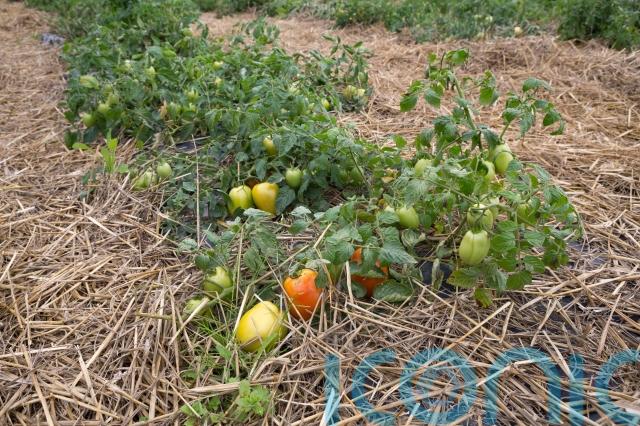
“It’s fine to use a straw mulch on a raised bed or allotment in spring, but you need to make sure that younger plants, brand new seedlings, don’t get too much potassium all at once.
“It only becomes an issue when you go year after year after year with straw mulch and it will build up, but if gardeners are sensible about what they are putting in, there shouldn’t be any problems.”
Bark
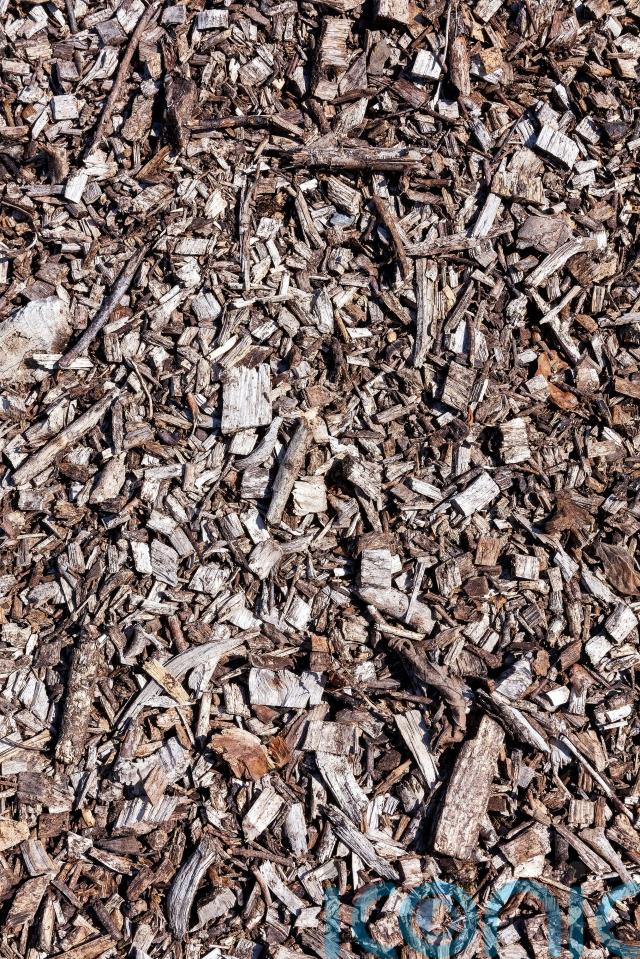
Many gardeners use a mulch of bark chippings in their borders to suppress weeds and hold in moisture, and it does have other benefits, says Stanford-Beale.
“If you have more moisture you end up with less air and get slightly different cycles going on in your soil, so it encourages worms and lots of burying insects to come up through that mulch and recycle it around.
“It’s like what happens in the forest and in nature, the leaves will come down, act as a big mulch and stimulate the ecosystem around it to pull that nutrition down.”
He recommends using a bark mulch around the base of trees – but try to stick to the same family of bark.
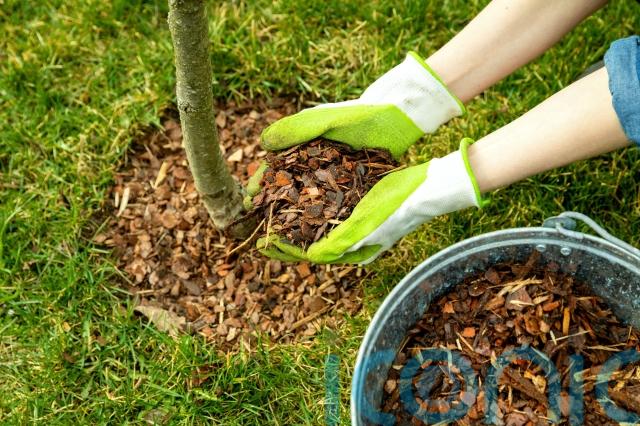
“If you have an oak tree, try to use oak bark. If you have a pine tree, use pine bark. But be careful where you are sourcing it from.”
Look at the bag and see if the bark is sourced in the UK and try to avoid mulches with treated wood, he advises, although sometimes it’s hard to tell.
“People are not labelling responsibly or properly and it’s making it difficult for customers to choose responsibly,” he warns, “but places like Crocus and Blue Diamond Garden Centres are starting to do that, where they make sure that their suppliers label what the product is and what it’s made of.”
Non-biodegradable materials
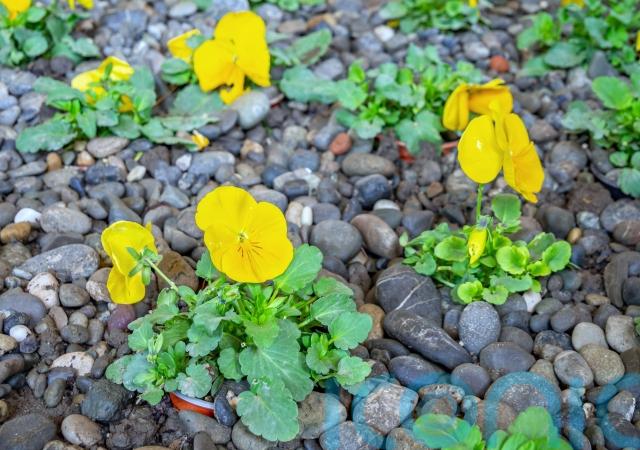
Slate, stone chippings, pebbles and shingle are often used as a mulch to enhance the look of a border and they will help conserve moisture and suppress weeds, as will decorative glass in containers, but Stanford-Beale considers all the problems they may bring.
“That slate and glass will go on to your grass and break your lawnmower. And for the rest of time you’re going to be finding that product in your bed. So if you use something today which you like because of aesthetics, make sure you’ll like it in 20 years, because it’s still going to be there.”
How deep should your mulch be?
“If you really want to suppress weeds and don’t want to use a weed membrane, your mulch needs to be three inches deep,” he reckons.
“But any amount helps, even if it’s just a scattering to add organic matter to your soil.”

Subscribe or register today to discover more from DonegalLive.ie
Buy the e-paper of the Donegal Democrat, Donegal People's Press, Donegal Post and Inish Times here for instant access to Donegal's premier news titles.
Keep up with the latest news from Donegal with our daily newsletter featuring the most important stories of the day delivered to your inbox every evening at 5pm.

This publication supports the work of the Press Council of Ireland and Office of the Press Ombudsman, and our staff operate within the Code of Practice of the Press Council. You can obtain a copy of the Code, or contact the Council, at www.presscouncil.ie, Lo-call 1800 208 080 or email: info@presscouncil.ie.