Search


27 Feb 2026
Search
27 Feb 2026

Please allow ads as they help fund our trusted local news content.
Kindly add us to your ad blocker whitelist.
If you want further access to Ireland's best local journalism, consider contributing and/or subscribing to our free daily Newsletter .
Support our mission and join our community now.
To continue reading this article, you can subscribe for as little as €0.50 per week which will also give you access to all of our premium content and archived articles!
Alternatively, you can pay €0.50 per article, capped at €1 per day.
Thank you for supporting Ireland's best local journalism!


Money makes the world go round – and that’s why children need to learn about it as soon as they possibly can.
Research shows children who’ve had some financial education at school are more likely to save up frequently, have a bank account, and be confident managing their money. In November last year, the government confirmed that financial literacy will become a mandatory part of the national curriculum in England for both primary and secondary schools from September 2028.
In the rest of the UK, financial education tends to be integrated into the maths and/or social studies curriculum.
But no matter what kids learn about money at school, they need to become more familiar with it at home, according to financial experts.
“It’s so important to let kids get hands-on with money and build up their skills at home from an early age, as research shows that money habits are already formed by the age of seven,” says Louise Hill, founder of the prepaid debit card and financial education app for young people GoHenry.
“Approaching these topics might seem a bit daunting, but the truth is, early money lessons don’t need to be serious or formal – it’s actually quite easy to turn them into a bit of fun.”
And father-of-two Rajan Lakhani, head of money at the personal finance app Plum, stresses: “Teaching kids about the value of money as soon as possible is very important. The habits, attitudes and understanding they develop from a young age can have a big influence on how they approach money matters in adulthood.”
These are the things the experts say children need to understand about money…
1. The value of money
Young children can learn about the value of money through fun role play like setting up a play shop, says Lakhani. He suggests displaying toys and pretend groceries, and using coins labelled with different values, and then taking turns playing shopkeeper and customer.
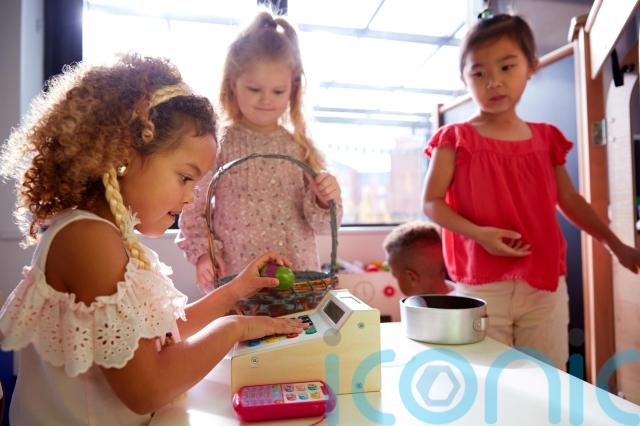
He played this with his daughter, and says: “The pretend transactions helped her see that our weekly groceries didn’t come for free and how to not overspend, as well helping her improve her basic addition and subtraction skills.”
This is linked to showing them that shopping costs money, as with the rise of contactless payments and online banking, it’s harder for kids to see how money works, where it comes from and that things cost money, Lakhani points out.
“If you pay with a debit or credit card, explain how it works – even though you’re not using cash, the money is still coming from what you’ve saved in your bank account – and let them see you making purchases with cash when possible.”
2. The difference between needs and wants
The experts say this is one of the most important money skills, and there are lots of simple ways to introduce it to children. One of the best ways, says Hill, is by weaving money lessons into daily life, perhaps by letting the kids lead the next weekly food shop.
“Set them a budget and challenge them to stick to it,” she suggests. “This will help them understand what the essentials are and why you can’t always have that extra treat or a new toy. If it’s something they really want, it’s time to start building up their savings pot.”
And Lakhani suggests making a list of what people need and what they want, and using it to discuss the difference between wants and needs.
3. The benefits of saving
Understanding the difference between needs and wants can lead to learning about saving. It’s a concept that can be difficult to understand, especially for younger children, so Lakhani suggests using practical examples to help.
He says his eldest daughter had some birthday money and found a toy she wanted to buy but he explains: “I could see she only wanted it so she could spend the money, rather than it being of value to her over time. So I said she could grow her money if she saved, like mummy and daddy do.”
He says his daughter’s £15 was eventually worth £20, so she could buy the toy she really wanted, helping her associate saving with goal-setting.
“It’s teaching them about delayed gratification and why saving is a good thing,” he explains.
Hill says adding an element of fun to learning about saving is a good way to keep kids engaged, and suggests trying to recreate a ‘fakeaway’ meal at home instead of a meal out, or having a home movie night rather than a trip to the cinema, and working out how much money you save.
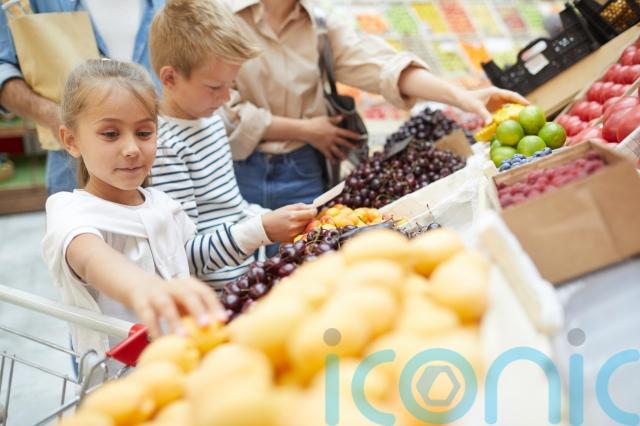
“This will help show kids how saving a little bit here or there can slowly add up to the bigger item they’ve been saving their pennies for, while also helping keep family budgets in check,” she says.
4. The connection between hard work and earning
Hill suggests focusing on simple everyday things like earning and budgeting with the help of children’s pocket money.
“Pocket money is one of the simplest – yet most effective – places to start,” she says.
“It isn’t about how much you give, it’s just about being consistent, and that’s what helps kids build up good money habits, which they’ll take with them into adulthood.”
She suggests linking pocket money to chores such as tidying their bedroom can help teach kids the connection between hard work and earning. “It helps them understand that money has to be earned and doesn’t just magically appear online, on a bank card or at an ATM,” she says.
5. How to keep money safe
The best way to help children learn this money lesson initially is by giving them a piggy bank to store their money in, says Lakhani. This can be replaced by a bank account as they get older and have more money.
“Giving a child a piggy bank gives them a safe place to store their money, and parents an opportunity to talk about why it’s important to keep money safe,” he explains.
It’s important that a piggy bank or savings jar is transparent so you and the child can see the money growing, he says. “Having that clear view is essential. You can then congratulate them for their success in building their money pot.”

Subscribe or register today to discover more from DonegalLive.ie
Buy the e-paper of the Donegal Democrat, Donegal People's Press, Donegal Post and Inish Times here for instant access to Donegal's premier news titles.
Keep up with the latest news from Donegal with our daily newsletter featuring the most important stories of the day delivered to your inbox every evening at 5pm.

This publication supports the work of the Press Council of Ireland and Office of the Press Ombudsman, and our staff operate within the Code of Practice of the Press Council. You can obtain a copy of the Code, or contact the Council, at www.presscouncil.ie, Lo-call 1800 208 080 or email: info@presscouncil.ie.