Search


28 Feb 2026
Search
28 Feb 2026

Please allow ads as they help fund our trusted local news content.
Kindly add us to your ad blocker whitelist.
If you want further access to Ireland's best local journalism, consider contributing and/or subscribing to our free daily Newsletter .
Support our mission and join our community now.
To continue reading this article, you can subscribe for as little as €0.50 per week which will also give you access to all of our premium content and archived articles!
Alternatively, you can pay €0.50 per article, capped at €1 per day.
Thank you for supporting Ireland's best local journalism!


In a fast-paced world where health often takes a back seat, prevention has never been more important.
Many serious conditions develop quietly, with little to no warning, making regular check-ups one of the most powerful tools for long-term wellbeing.
As the new year begins, here are five essential health tests which should be on the top of your priority list for 2026…
1. Blood pressure check
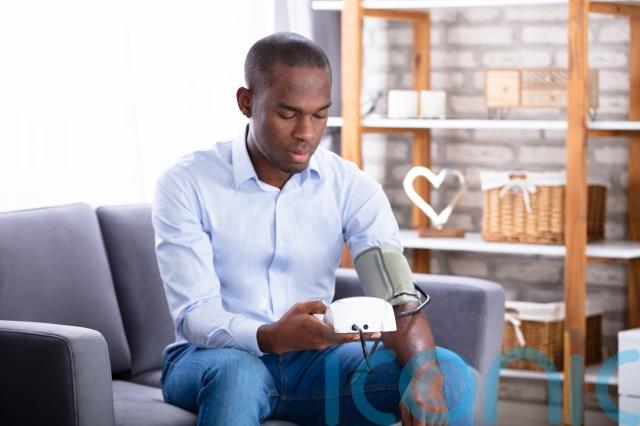
“Checking your blood pressure is a good first step because lots of people don’t monitor it,” says Dr Dominic Greenyer, GP and director at The Health Suite in Leicester. “A good benchmark would be for those aged 40 and above to have their blood pressure checked at least one a year.”
All you need is a blood pressure monitor.
“Checking your blood pressure at home when you’re more calm will generally be more reflective of your normal blood pressure,” says Greenyer. “But if you don’t have access to a blood pressure machine, then you can get one done by a GP, or many pharmacies do it as well.
“Anything above a 140 over 90 reading is an indicator that your blood pressure is raised and that you need to book a GP appointment to discuss this. Anything over 180 over 110 requires immediate medical attention.”
Why it’s important:
“Even having a slightly high blood pressure can add to your risk of heart disease, which can increase the risk of heart attacks and strokes in the future,” highlights Greenyer. “High blood pressure that’s not controlled can also wear your kidneys out a bit quicker, or even lead to damage of the small blood vessels in the brain, the eye and the kidneys.”
2. Eyesight test

“Going for regular eye tests means any issues with your vision or eye health are detected, diagnosed and treated as early as possible,” says Denise Voon, clinical adviser to the College of Optometrists. “At your eye test, your optometrist will check for any vision or eye health issues and prescribe glasses or contact lenses if needed.”
If you’re eligible for a free NHS sight or eye test, you can have a test every two years and more often if that’s recommended by your ophthalmic practitioner or optometrist, according to the NHS website.
Why it’s important:
“Eye conditions can emerge at any stage of our lives, from squints and short-sightedness (myopia) that develop in childhood, through to age-related conditions, including presbyopia (struggling with near sight such as reading a restaurant menu or phone screen) and AMD (age-related macular degeneration) from our 40s onwards,” says Voon.
“By booking your next regular eye test, practising healthy screen habits, or making sure to remember to wear your glasses when you need them, you can help ensure you have clearer, healthier eyesight for many years to come.”
3. Dental check-up
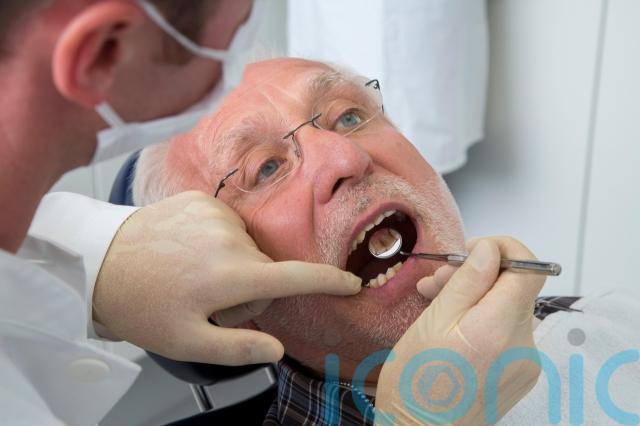
“When thinking about conducting an overall health MOT, it’s so important not to overlook your oral health and to ensure that you’re attending regular appointments with your dentist,” says Nyree Whitley, chief clinical officer at mydentist.
People with good oral health will probably need to attend only once every 12 to 24 months, but those with more problems will need check-ups more often, according to the NHS website.
Why it’s important:
“Without a regular check-up, conditions such as gum disease, tooth decay and mouth cancer can go undetected,” notes Whitley. “Generally, mouth cancer can affect anyone, but alcohol and tobacco use, including chewing tobacco, do increase the chances of developing oral cancer.
“Early detection is key to improving survival rates for those contracting oral cancers, so if you are experiencing any issues or symptoms, it’s important that you get checked out as soon as possible.”
4. Cholesterol blood test
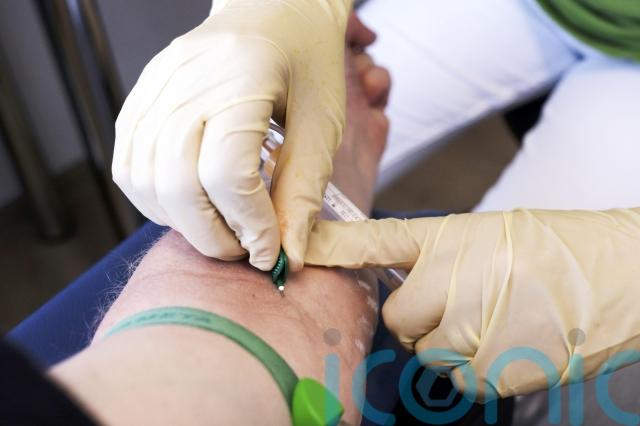
High cholesterol does not usually cause symptoms, according to the NHS website, so you can only find out if you have it by getting a blood test done.
“A cholesterol blood test can be accessed via your GP,” says Greenyer. “Having a total cholesterol above five mmol/L, LDL cholesterol above three, and then HDL cholesterol below 1 indicates that you have high cholesterol.
“Someone with high cholesterol would usually be advised to ensure that they are exercising regularly, including resistance training. In addition, they would also be advised to avoid processed foods and fizzy drinks.”
Why it’s important:
“High cholesterol is a sign of metabolic dysfunction,” explains Greenyer. “So, it’s not necessarily that the high cholesterol is directly causing all the problems, but it’s an indicator that we may not be healthy and secondary to that people may develop heart disease and increase their risk of heart attacks and strokes and blood vessel disease.”
5. Cancer screenings
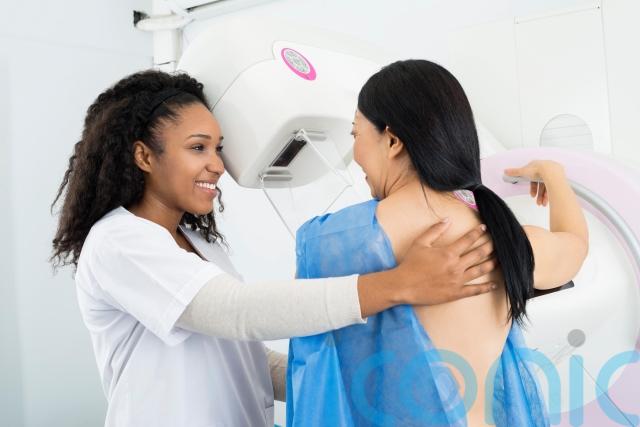
There are currently three main NHS national cancer screening programmes in the UK for breast, cervical and bowel cancer.
“Women aged 50 up to 71 (who are registered with an NHS GP) will be invited for mammograms every three years to screen for breast cancer and anyone with a cervix (who are registered with an NHS GP) will be invited for a cervical screening every five years from 25 until 64,” says Greenyer.
“There’s also bowel cancer screening that’s done now through the FIT (Faecal Immunochemical Test) test which is sent through the post and checks for blood in the stall.”
If you’re aged 50 to 74 and registered with a GP, you’ll automatically get a bowel cancer screening home test kit (FIT kit) through the post every two years, according to the NHS website.
Why it’s important:
“Early detection can help to find cancer at earlier stages which usually is more treatable than those diagnosed at a later stage,” says Greenyer.

Subscribe or register today to discover more from DonegalLive.ie
Buy the e-paper of the Donegal Democrat, Donegal People's Press, Donegal Post and Inish Times here for instant access to Donegal's premier news titles.
Keep up with the latest news from Donegal with our daily newsletter featuring the most important stories of the day delivered to your inbox every evening at 5pm.

This publication supports the work of the Press Council of Ireland and Office of the Press Ombudsman, and our staff operate within the Code of Practice of the Press Council. You can obtain a copy of the Code, or contact the Council, at www.presscouncil.ie, Lo-call 1800 208 080 or email: info@presscouncil.ie.