Search


08 Apr 2026
Search
08 Apr 2026

Please allow ads as they help fund our trusted local news content.
Kindly add us to your ad blocker whitelist.
If you want further access to Ireland's best local journalism, consider contributing and/or subscribing to our free daily Newsletter .
Support our mission and join our community now.
To continue reading this article, you can subscribe for as little as €0.50 per week which will also give you access to all of our premium content and archived articles!
Alternatively, you can pay €0.50 per article, capped at €1 per day.
Thank you for supporting Ireland's best local journalism!


Brin Pirathapan says he’s “probably a much nicer person” since leaving the long hours of a stressful job as a veterinarian behind to pursue cooking full-time.
The now chef and content creator won BBC’s MasterChef in 2024, impressing with his bold, innovative flavours, technical skill and a few learnings of his Tamil Sri Lankan heritage.
As a vet in Bristol, Pirathapan was “always waiting for the weekend”, saying: “It was bloody stressful, food was my complete release”, either looking forward to lunch to eat leftovers from the night before, or getting home to “lock” himself away in the kitchen. “I remember doing these 13-hour shifts and coming home decompressing [by cooking].”
He quit immediately after filming the 20th series of the popular TV show finished, and has now amassed more than 200,000 followers on Instagram, sharing recipes and home cooking hacks.
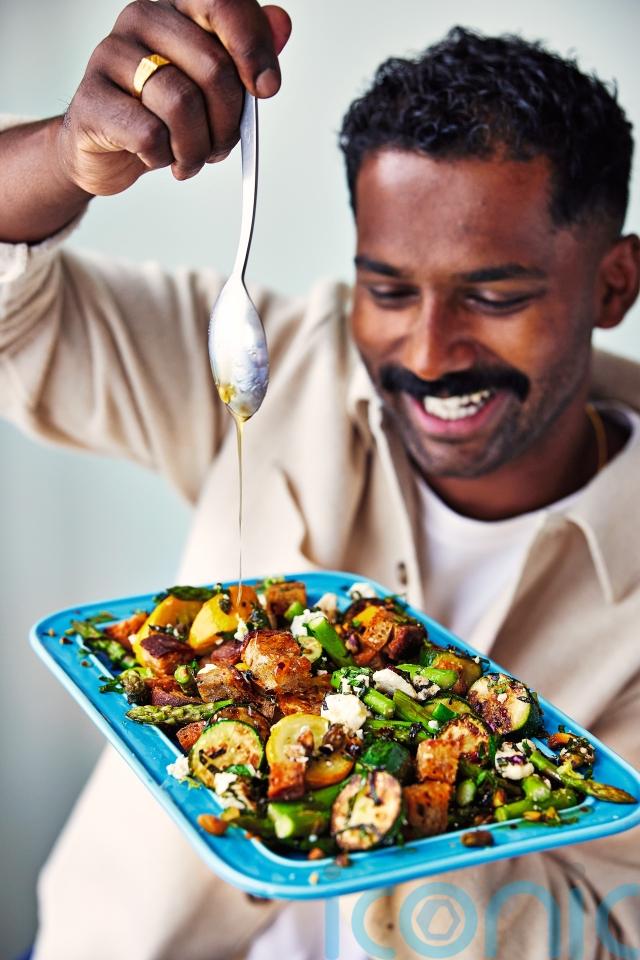
“I feel like the new self is the person I’m meant to be,” he says, now he’s able “to realise the potential that my happiness and contentment has”.
The 31-year-old has released his debut cookbook, Elevate, which aims to help home cooks elevate basic ingredients, upgrade cooking techniques, and improve mood with food.
While Tamil food is “very much” part of who he is, Pirathapan more so uses what he has learned from that cuisine, as well as the food of his British upbringing and influence from global travels, that makes up the eclectic mix of what he cooks at home, and shares with his followers today.
“I just love flavour – flavour that is bold from all over the world,” he says, “I haven’t restricted myself to any geographical, or cuisine-based boundaries, it’s just what works together.” From Sri Lankan street food like mutton rolls and Tamil chicken curry pie, to comforting sambal mac and cheese and duck leg lasagne, alongside global influences, such as Brazilian fish stew, or peanut butter chicken udon soup, his food really is eclectic.
Sri Lanka is made up of a lot of different cuisines, he explains, “even within the Tamil culture [which is mostly found in the northern and eastern parts of the country] different villages will be different, but it’s all quite rich, quite deep – it could be spicier than what you might be used to in Northern India, for example.”
“When I came into the food world, I would step back and realise that I was doing that balancing without thinking about it – and that’s completely testament to the fact that our culture is so good at doing it, and I’ve just grown up with plates of food with so many different things on them.
“Spice, of course, is a huge influence, I find it very easy to work with spice, and not just spice from our culture, spice from all over the world. That’s something you can’t necessarily teach – I’m really, really lucky to have that kind of basis.”
Pirathapan’s main passion, though, is taking humble ingredients that we all have in our cupboards or buy regularly at the supermarket, and making something special out of them. It’s a skill he picked up while learning to cook at university, without the budget to buy gourmet food.
Lots of the recipes in his book are influenced by early memories of food. “My favourite dish my mum makes is a tinned fish curry,” he says. Tins of pilchards can cost around 90p – “but it was my favourite curry growing up”.
“And thakkali kulambu, which is a tomato curry – just so basic in terms of ingredients, like taking tomatoes, and you make them great. It’s the best representation of elevation I think.”
“There’s so much out there that we could be doing with the most basic ingredients to ensure everyone’s eating really vibrantly and really deliciously,” he says. “But I don’t think everyone has the means or the knowledge.”
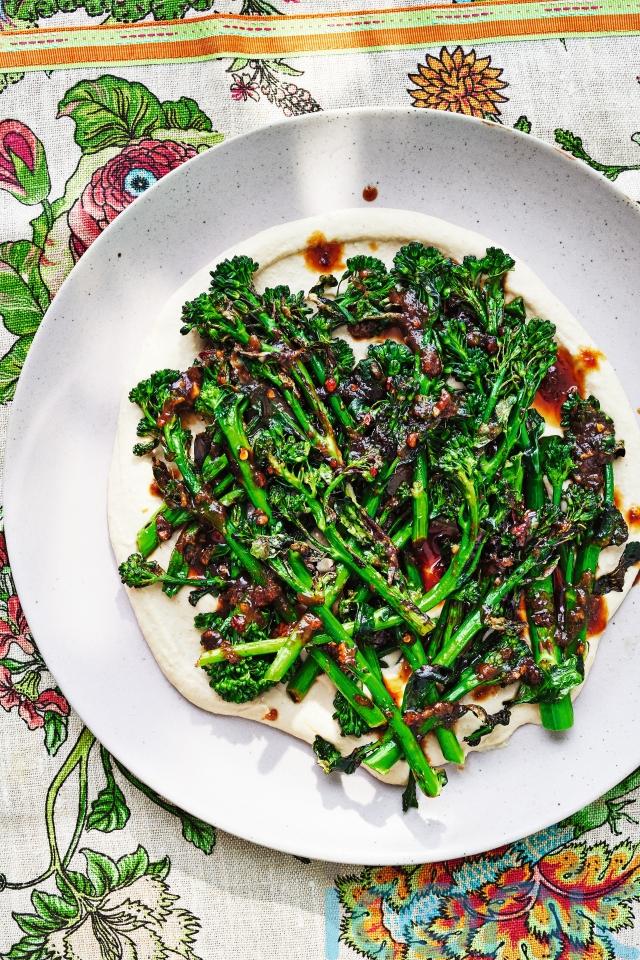
It’s fantastic, he says, if you do have the ability to buy the high-quality ingredients, but he’s “worried this is alienating a population that might not be able to do that, and then saying, oh you can’t create good food if you don’t [have] the best produce every time.” It’s an agenda he doesn’t want to push.
“I want everyone to know that whatever background you’re from, whatever part of the population you’re in, with the most basic ingredients you can still create really vibrant, delicious food, that elevates those days where you’ve been working really bloody hard to get whatever you can and then you go and buy whatever ingredients with this.”
Cauliflower can be transformed into jerk cauliflower wedges; a ratatouille of basic veg can be baked into a tarte tatin; and even bread can be the star of the show – roti can be used in a salad, like the Italians do, for his kothu panzanella.
The act of cooking itself can be calming, Pirathapan says. Making a curry is “very meditative if you’ve had a rubbish day, because instead of doing a million things at once, you’re thinking about one pit that you’re trying to build from the bottom up. And at the end, after you’ve done each step, almost like a breathing exercise, you have this really delicious, warming, comforting [dish]”.
But ultimately, colourful food can lift the mood. “The world is so rubbish at the moment, but if you take this book into your kitchen, the vibrancy itself, I think it’s impossible to ignore. I like to think it brings a bit of happiness. If you get a recipe that’s bring, enjoyable and playful, I like to think we can change a lot of things.”
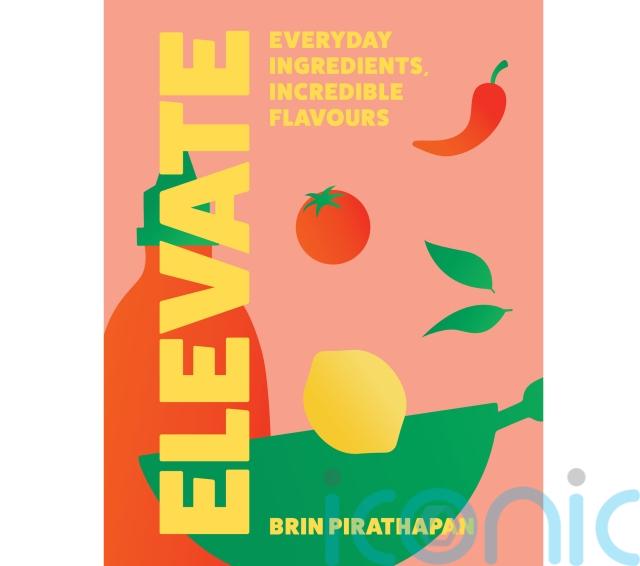
Elevate: Everyday Ingredients, Incredible Flavours by Brin Pirathapan is published in hardback by Pavilion, priced £22. Photography by Dan Jones. Available now.

Subscribe or register today to discover more from DonegalLive.ie
Buy the e-paper of the Donegal Democrat, Donegal People's Press, Donegal Post and Inish Times here for instant access to Donegal's premier news titles.
Keep up with the latest news from Donegal with our daily newsletter featuring the most important stories of the day delivered to your inbox every evening at 5pm.

This publication supports the work of the Press Council of Ireland and Office of the Press Ombudsman, and our staff operate within the Code of Practice of the Press Council. You can obtain a copy of the Code, or contact the Council, at www.presscouncil.ie, Lo-call 1800 208 080 or email: info@presscouncil.ie.