Search


04 Apr 2026
Search
04 Apr 2026

Please allow ads as they help fund our trusted local news content.
Kindly add us to your ad blocker whitelist.
If you want further access to Ireland's best local journalism, consider contributing and/or subscribing to our free daily Newsletter .
Support our mission and join our community now.
To continue reading this article, you can subscribe for as little as €0.50 per week which will also give you access to all of our premium content and archived articles!
Alternatively, you can pay €0.50 per article, capped at €1 per day.
Thank you for supporting Ireland's best local journalism!


As a measles outbreak continues to spread through schools in London and make headlines, it’s understandable that parents may be worried about their own child’s health.
Over the weekend, the UK Health Security Agency (UKHSA) confirmed that cases in schools and nurseries in north-east London have led to some children needing hospital treatment, primarily affecting unvaccinated children under 10.
According to the Sunday Times, more than 60 suspected measles cases have been reported across seven schools and one nursery in Enfield.
Measles is often mistaken for other common illnesses, so we spoke to Dr Henrik Premasundaram, GP at HCA Healthcare UK, to learn more about which early, subtle symptoms to look out for – and when it’s important to seek medical advice.
What early subtle symptoms should parents look out for?
1. Cold-like symptoms

“In the early phase, so usually between day one to day four, children with measles tend to have cold-like symptoms such as a cough, fever, runny nose and sore, red, watery eyes,” says Premasundaram.
“Colds are very, very common at this time of year, but children with measles tend to look more unwell, more tired and more miserable than they would with a typical viral infection.”
2. Sensitive to light
“Children who get sore, watery eyes tend to be more sensitive to light, which you wouldn’t typically expect with a simple cold,” says Premasundaram.
3. High fever
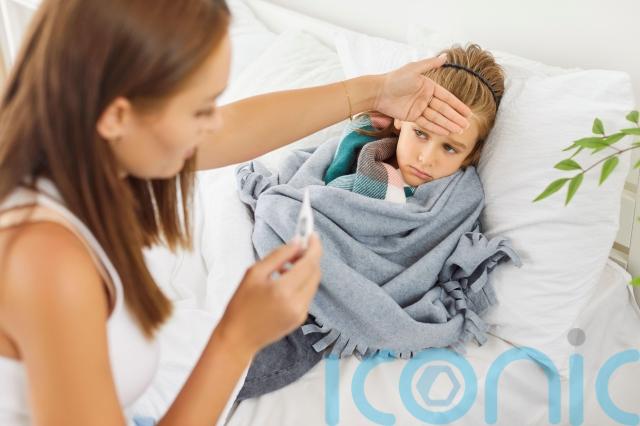
“A high fever is a key symptom of measles and tends to keep rising over the first few days,” says Premasundaram.
4. Loss of appetite
“A child with measles might have a reduced appetite or a reduced fluid intake,” says Premasundaram.
5. Rashes
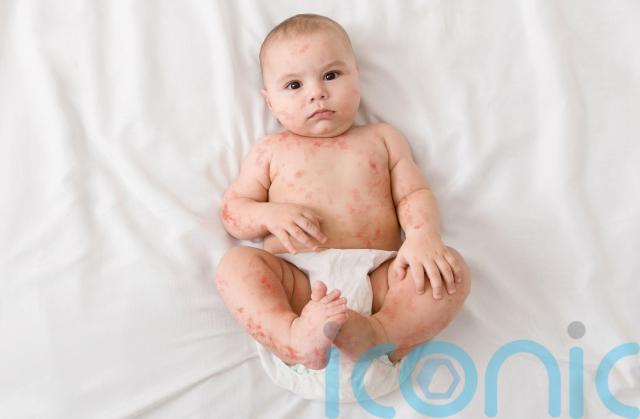
“Day four to day five is usually when a rash appears,” says Premasundaram. “A lot of the time it starts on the face and behind the ears then spreads down to the body, the trunk, the arms and to the legs.
“The fever often peaks around the time that the rash appears.”
The spots of the measles rash are sometimes raised and join together to form blotchy patches, but are not usually itchy, according to the NHS website.
6. Small white spots inside the mouth
“Some children start to develop small white spots inside their mouth before the full body rashes develop,” says Premasundaram. “These white spots are called ‘Koplik’s spots’ and are very specific to measles.”
These spots may appear inside the cheeks and on the back of the lips and usually last a few days, according to the NHS website.
Is measles contagious?
“Measles is highly contagious and can spread really quickly, from around four days before any rashes have even appeared until four days after,” says Premasundaram.
“If you think your child might have measles I would recommend trying to safely isolate as much as possible. If there are other members of the family who are unvaccinated or at high risk they should try to avoid contact as much as reasonably possible.”
Measles is spread by an infected person’s breathing, coughing or sneezing, so the NHS website recommends opening windows and doors to help reduce the risk, using tissues and binning them immediately, and washing your hands often with soap and warm water.
Can measles lead to any complications?
“Measles can lead to problems with breathing, infections and problems with the brain, so it can be very serious,” says Premasundaram.
Other problems that can be caused by measles include pneumonia, meningitis, blindness and seizures, according to the NHS website.
When should parents seek medical advice?
“If your child starts to feel more unwell, for example, they become more sleepy, more difficult to rouse, experience difficulty breathing, have a persistent wheeze and have a fever that is high and is not improving, that’s when you should really seek medical advice,” recommends Premasundaram.
“In addition, any child that’s unvaccinated or has been in contact with a known case, should also definitely seek medical advice.”
How is measles treated?
“There’s no specific antiviral treatment for measles, so the treatment is mainly supportive,” says Premasundaram. “Once a child has been seen by a GP they will be advised to drink plenty of fluids to try and prevent dehydration, to rest and to take paracetamol and ibuprofen to try and reduce fever.”
Is there any way to prevent your child from getting measles?
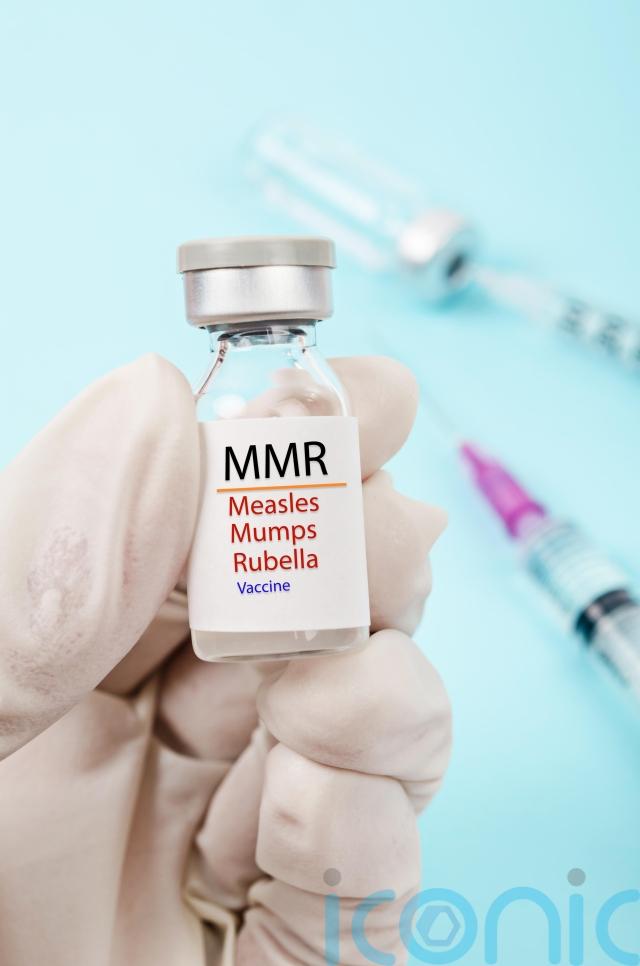
“The most effective prevention is the MMR vaccine which helps prevent measles, mumps and rubella,” says Premasundaram. “Two doses of the MMR vaccine provides really strong protection. The first dose is usually given to children after they turn 12 months old and then they will typically receive the second dose at around three years old as a pre-school booster.
“If they’re not vaccinated already, then you can go and speak to your GP. The vaccine is very effective and is one of the most widely researched vaccines. However, because measles is one of the most infectious viruses, high vaccine uptake is essential.”

Subscribe or register today to discover more from DonegalLive.ie
Buy the e-paper of the Donegal Democrat, Donegal People's Press, Donegal Post and Inish Times here for instant access to Donegal's premier news titles.
Keep up with the latest news from Donegal with our daily newsletter featuring the most important stories of the day delivered to your inbox every evening at 5pm.

This publication supports the work of the Press Council of Ireland and Office of the Press Ombudsman, and our staff operate within the Code of Practice of the Press Council. You can obtain a copy of the Code, or contact the Council, at www.presscouncil.ie, Lo-call 1800 208 080 or email: info@presscouncil.ie.