
Gardaí are appealing for witnesses following a road traffic collision
Search


07 Mar 2026

Please allow ads as they help fund our trusted local news content.
Kindly add us to your ad blocker whitelist.
If you want further access to Ireland's best local journalism, consider contributing and/or subscribing to our free daily Newsletter .
Support our mission and join our community now.
To continue reading this article, you can subscribe for as little as €0.50 per week which will also give you access to all of our premium content and archived articles!
Alternatively, you can pay €0.50 per article, capped at €1 per day.
Thank you for supporting Ireland's best local journalism!


We all know ageing is inevitable – but that doesn’t stop most of us wanting to look and feeling younger.
But while there’s no mythical fountain of youth to bathe in, there are ways to slow down how ageing makes us look and feel, promises Dr Ian K Smith.
In the Harvard-educated doctor’s new book, Eat Your Age, he says: “There’s so much you can do to keep yourself looking and feeling youthful, and it doesn’t depend on how much money you have or how many times you visit the plastic surgeon.
“It’s about how well you plan, how aware you are of your body and health, and the simple steps you can take to forge a path of vigour and vitality that has nothing to do with the number of candles on your birthday cake.”
Smith says his book is built on the idea that the body’s nutritional, metabolic and medical needs evolve with age, and our eating habits need to evolve with them. But rather than offering a one-size-fits-all diet, he explains how to align food choices, physical activity, and preventive care with the specific demands of each decade of life.
“The goal is to help slow metabolic decline, preserve muscle, reduce chronic disease risk, and extend health span – not just lifespan,” he says. “Ultimately, it empowers people to take control of ageing through practical, science-based strategies that make longevity an intentional, achievable process.”

Here, Smith outlines what dietary, movement and health measures people need to take in specific decades of life to help them look and feel younger…
Your 30s: Choices that shape future health
The choices you make in your 30s quietly begin to shape how you age, says Smith. “While the body is still resilient, early metabolic shifts are already underway, making prevention far more powerful than correction,” he explains.
“This is the time to build strong nutritional habits, consistent movement patterns, and medical awareness that will pay dividends for decades to come.”
Eating for prevention
Smith advises people in their 30s to shift from ‘calories only’ thinking to nutrient density, prioritising lean protein at every meal, fibre-rich vegetables, and healthy fats, while minimising ultra-processed foods.
“This decade is about preventing insulin resistance before it starts,” he says. Your metabolism is still relatively resilient, but subtle changes are occurring. Blood sugar regulation, cholesterol patterns and inflammatory markers can begin drifting in the wrong direction without obvious symptoms.
“This is why there should be an emphasis on eating for prevention, not correction,” he says. “Balanced meals that combine protein, fibre and healthy fats slow digestion, reduce blood sugar spikes, and support sustained energy throughout the day.”
And he warns that while skipping meals or relying heavily on refined carbohydrates may not cause immediate weight gain, it sets the stage for metabolic dysfunction later.
Set consistent exercise goals

Establish a consistent resistance-training routine (at least two to three days per week). “Muscle mass gained in your 30s becomes metabolic insurance later in life,” Smith explains. “Strength training improves insulin sensitivity, protects joints, and raises resting metabolic rate.”
Strength training should be paired with moderate cardiovascular activity – brisk walking, cycling, or swimming – to support heart health without excessive stress, he says.
Medical screening
Get baseline lab tests: fasting glucose, lipid panel, blood pressure, plus waist circumference. “These markers create a personal health starting line and help identify silent risks early,” he explains.
Your 40s: Strategic maintenance and metabolic protection
The 40s mark a transition from building health to actively protecting it, says Smith. Hormonal changes and a gradual metabolic slowdown mean the body no longer responds the way it once did, even when habits remain unchanged. “This decade calls for smarter nutrition, more intentional exercise, and proactive screening to stay ahead of silent risks,” he says.
Nutrition to support hormonal shifts
As metabolic rate begins to slow, protein becomes essential for preserving lean mass and managing appetite. Hormonal shifts, particularly in estrogen, testosterone, and cortisol, start to influence how the body stores fat and responds to stress. “It’s important to spread protein evenly across meals rather than concentrating it at dinner,” stresses Smith. “This supports muscle repair, stabilises blood sugar, and reduces late-night overeating.”
In addition, paying attention to portion sizes and reducing liquid calories becomes increasingly important, as caloric needs decline even when hunger doesn’t.
Maintain cardiovascular fitness
Incorporate higher-intensity workouts alongside strength training, Smith advises. Short bursts of interval training help maintain cardiovascular fitness and counter age-related metabolic slowdown.
“Recovery matters more now,” he says. “Adequate sleep, mobility work, and rest days are essential to avoid burnout and injury.”
Medical screening

Begin routine bowel cancer screening discussions, and regular blood pressure, cholesterol and diabetes monitoring – especially if there’s family history.
Your 50s: Preserving strength, reducing inflammation
In your 50s, health becomes less about weight and more about resilience, Smith says. “Muscle loss, inflammation and chronic disease risk accelerate unless directly addressed through diet and movement.
“The goal of this decade is to preserve strength, protect joints and bones, and maintain metabolic stability,” he explains.
Focus on good fats, eat the rainbow
Adopt a more anti-inflammatory eating pattern emphasising omega-3 fats, colourful vegetables, whole grains and reduced added sugars, advises Smith. Digestive efficiency and insulin sensitivity often decline in the 50s, making food quality more important than quantity.
“Inflammation – not ageing itself – is a major driver of chronic disease,” he warns.
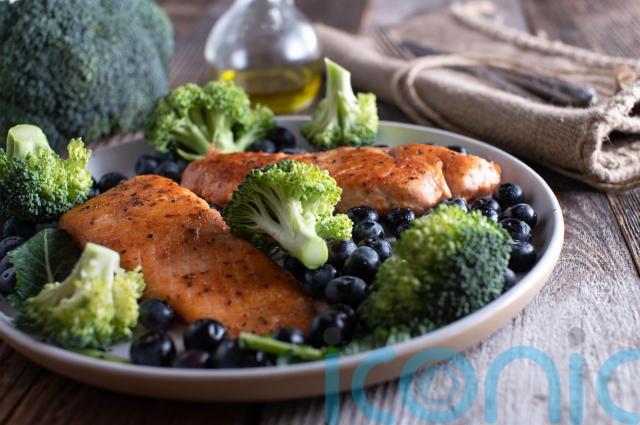
Foods rich in antioxidants help protect blood vessels, joints and the brain. Adequate protein remains critical, but so does hydration, as thirst signals weaken with age. Mindful eating and slower meal pacing also improve digestion and nutrient absorption, he points out.
Mobility work and strength training
Make strength training non-negotiable, while adding balance, mobility work, and exercises that challenge stability, such as single-leg movements. “Muscle loss accelerates during this decade if not actively resisted,” he warns.
Medical screening
Schedule bone density testing, and have screenings for cardiovascular disease, diabetes and cancer. “Early detection dramatically improves outcomes,” he stresses.
Your 60s and beyond: Sustaining independence and quality of life
The focus in your 60s and beyond shifts from optimisation to preservation and targeted growth, says Smith. “Daily habits now determine mobility, cognitive health and independence more than numbers on a scale.
“Eating well, moving consistently, and staying medically vigilant become the foundation for a longer, more vibrant life.”
Specific nutrient needs

Smith recommends focusing on adequate protein, calcium, vitamin D and hydration, while moderating total calories.
“Appetite may decline, but nutrient needs remain high,” he says, pointing out that under-eating protein is a common and dangerous mistake in older adults. “Protein supports muscle strength, immune function, and recovery from illness. Meals should be simple, nutrient-dense, and easy to digest,” he explains.
Stay mobile to reduce risk of falls
Prioritise functional movement – strength, balance, flexibility, and walking. “The goal isn’t intensity, but consistency and safety,” says Smith. “Regular movement preserves mobility, reduces fall risk and supports brain health. Even short daily sessions make a meaningful difference.”
Medical screening
Maintain consistent vision, hearing, cognitive, cardiovascular, and medication reviews. “These screenings protect quality of life and help preserve independence well into later years,” says Smith.
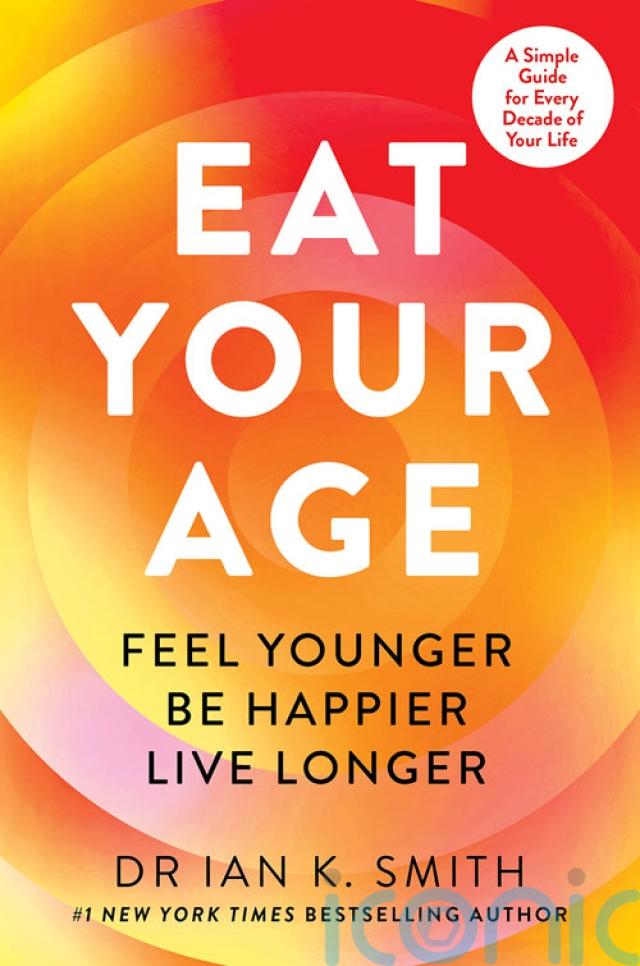
Eat Your Age by Dr Ian K Smith is published by HQ, priced £10.99. Available now.

Subscribe or register today to discover more from DonegalLive.ie
Buy the e-paper of the Donegal Democrat, Donegal People's Press, Donegal Post and Inish Times here for instant access to Donegal's premier news titles.
Keep up with the latest news from Donegal with our daily newsletter featuring the most important stories of the day delivered to your inbox every evening at 5pm.

This publication supports the work of the Press Council of Ireland and Office of the Press Ombudsman, and our staff operate within the Code of Practice of the Press Council. You can obtain a copy of the Code, or contact the Council, at www.presscouncil.ie, Lo-call 1800 208 080 or email: info@presscouncil.ie.