
Why is there no RTE Late Late Show tonight?
Search


07 Mar 2026

Please allow ads as they help fund our trusted local news content.
Kindly add us to your ad blocker whitelist.
If you want further access to Ireland's best local journalism, consider contributing and/or subscribing to our free daily Newsletter .
Support our mission and join our community now.
To continue reading this article, you can subscribe for as little as €0.50 per week which will also give you access to all of our premium content and archived articles!
Alternatively, you can pay €0.50 per article, capped at €1 per day.
Thank you for supporting Ireland's best local journalism!


January often feels like a clean slate, inspiring many of us to set big ambitious resolutions to transform our diets and fitness routines in the new year. However, Dr Rupy Aujla thinks that amidst all the ‘New year, new me’ madness, we often overlook the small, everyday changes that could actually have the greatest impact on our health.
“If you do a dramatic change, the likelihood is you’re not going to stick with it,” says the founder of The Doctor’s Kitchen, who regularly shares his food expertise on various programmes such as This Morning. “Every January, a lot of people make these big goals and it’s great to have goals, but you don’t start at the peak, you have to work your way up to that.
“If you start doing everything on January 1st, which is what most people do, you won’t be able to maintain that energy and that motivation for change throughout the entire year.”
Instead, the host of The Doctor’s Kitchen Podcast suggests that setting smaller, more sustainable resolutions is more likely to lead to positive change.
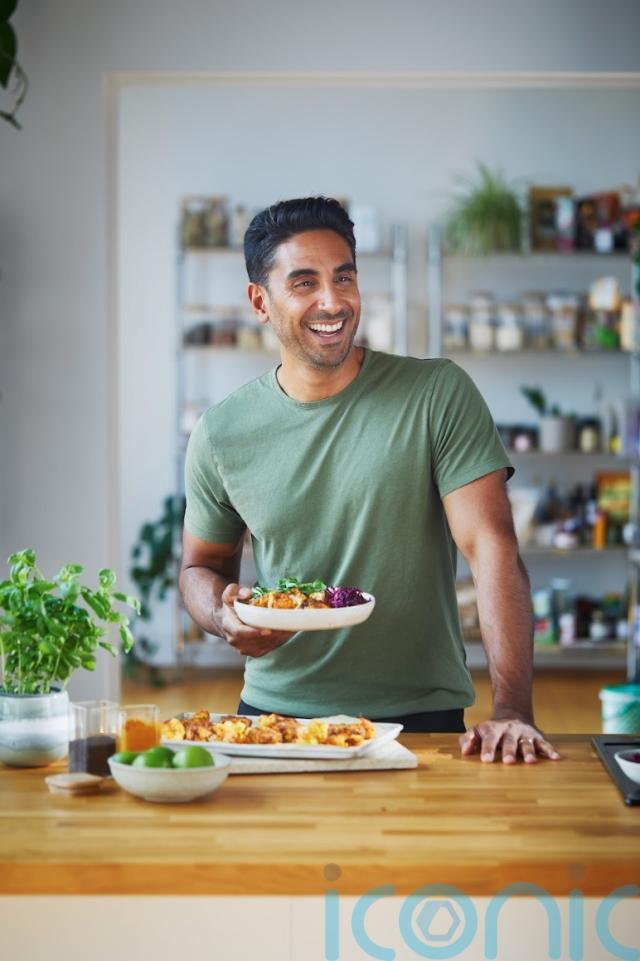
“There’s a really good book by BJ Fogg called Tiny Habits, which is all steeped in behavioural psychology and recommends starting with really small simple habits,” say the TV doctor.
This advice can be translated into every area of life, but Aujla – who has inspired many people to improve their health through food – highlights that it’s particularly effective when it comes to improving our diet.
“Changing something that’s generally in your supermarket shop every single week is a good place to start,” advises Aujla, who champions the idea that food is medicine.

This year Aujla is supporting organic food brand Biona’s Rye January challenge which suggests that changing the contents of your bread bin could be a great way to help kickstart some healthy eating habits.
“A lot of people are looking to reduce their ultra-processed food consumption, but are still eating quite poor-quality supermarket bread,” says Aujla. “So, if you’re thinking about reducing the ultra-processed foods in your diet this year, changing up your bread is a really tangible and good way of doing that.
“Typical supermarket bread is packed with lots of things that shouldn’t be in bread. In fact, on average, it has around 19 different ingredients in it, many of which are additives and emulsifiers.”
On the other hand, he highlights that rye bread offers much more protein and fibre than white bread – two crucial nutrients that most of the UK population do not get enough of.
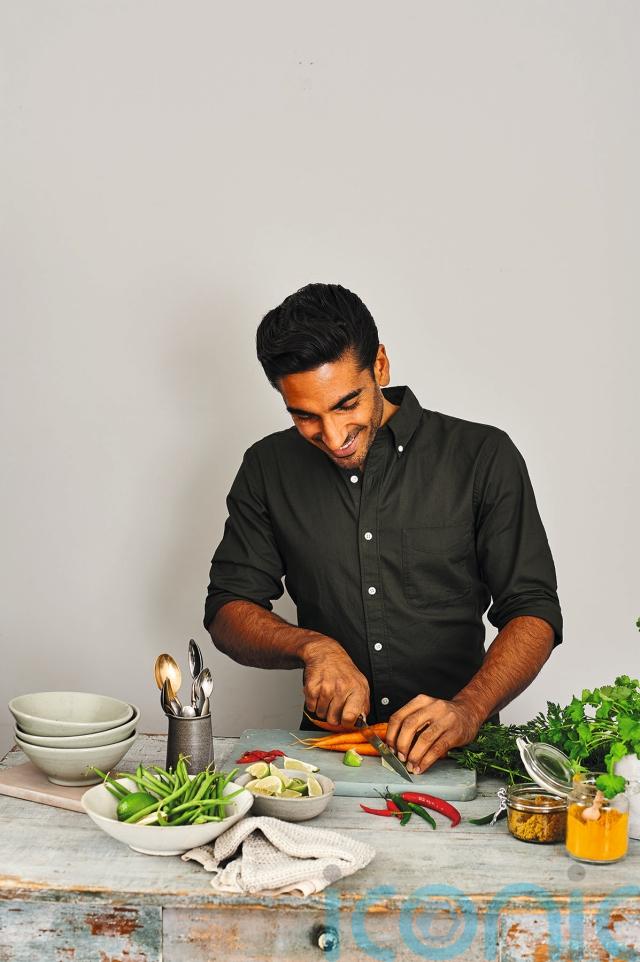
“By increasing fibre in your diet you signal to your brain that you are satisfied, which helps reduces your appetite for more food,” explains Aujla. “So, if you make the switch to rye bread, which is higher in fibre, it’s going to reduce your appetite naturally, and therefore you’re going to consume less, which can help with weight maintenance and weight loss, if people are looking for that as well.
“I think Rye January is a great challenge because it’s an alternative to the typical restrictive practices of January, like Dry January, where you constantly have to remind yourself what you can’t consume. This is a really cool swap of something that is common in people’s supermarket baskets and actually has tangible benefits.”
There’s a lot of talk about processed food in the news and online, but what does it actually do to our bodies?

“There are lots of reasons why ultra-processed foods can mess with your biology and one of them is the extra ingredients that shouldn’t be there,” says Aujla. “Things like additives and emulsifiers serve a function in the food itself, but they can be at the detriment to things like our gut microbiota. It can damage the colon, intestines and the gut lining.
“In addition, ultra-processed food also tend to be higher in sugar and salt, which are things that can increase inflammation, but also put you [at] higher risk of cardiovascular disease.”
Cutting out ultra-processed foods from your life starts at the supermarket.
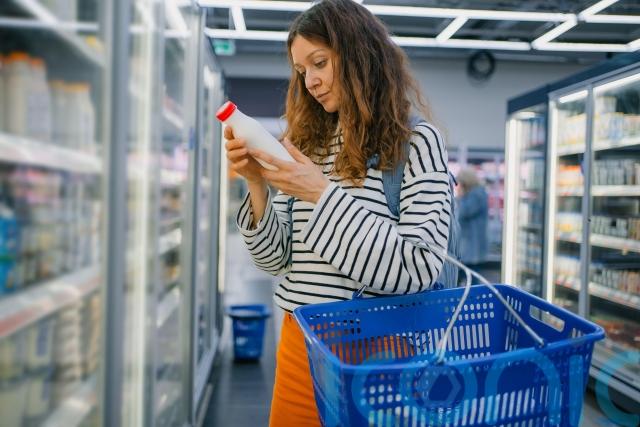
“The first thing I would say with any food that you’re buying in a packet is read the ingredients, as they should all be recognisable and every ingredient should have a purpose,” says Aujla. “Whenever I’m going into any store, I always read the label because even foods that are marketed as healthy can be ultra-processed.”
The TV doctor also recommends looking at your supermarket staples and to start thinking about what easy swaps you could make.
“Things like cereals, crackers and snacks like cookies, granola bars and pastries are commonly found in people’s baskets and are all ultra-processed foods,” highlights Aujla. “Choose one or two of these that you regularly consume and make health conscious swaps for them.
“For example, if you are looking for a higher protein and a higher fibre snack, a handful of nuts and seeds is a great choice.”
When it comes to instilling healthier habits in children, Aujla has two recommendations.
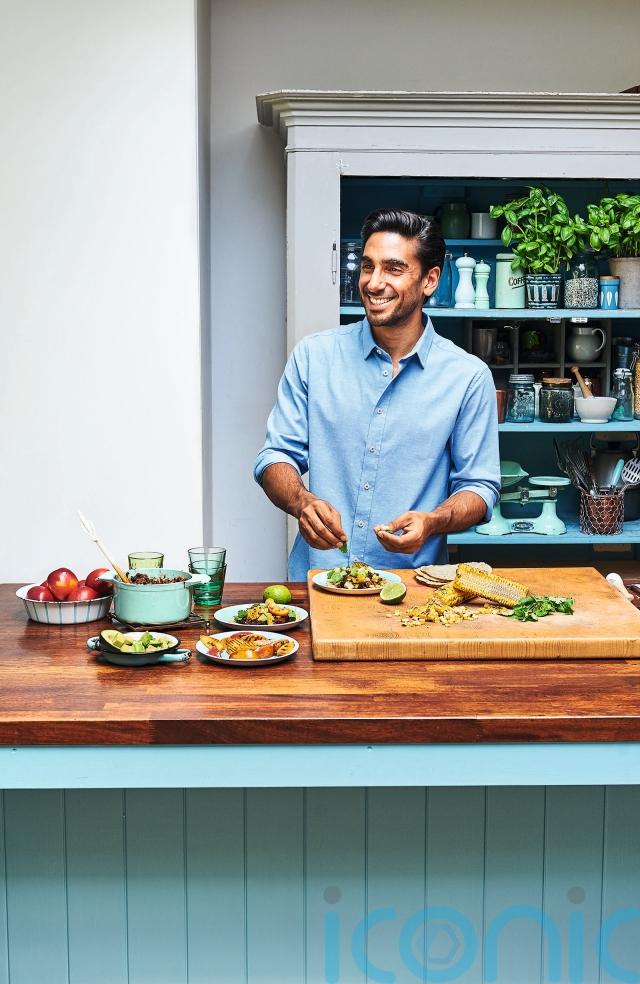
“Always offer kids the opportunity to have something healthy, even if they don’t take it,” advises Aujla. “For example, have a fruit bowl on display or always offer them some sort of vegetable with every meal.
“The other thing is get them cooking. It’s really, really important for everyone, adults included, to be aware and to practice the whole process of cooking from scratch, because that develops a stronger bond and relationship with your food.
“So, if you can get your kids involved in cooking something from scratch, whether it is a bread or homemade granola, you can start to instigate some behavioural changes in your kids that can make them a lot more receptive towards unprocessed foods and can hopefully mould their behaviours going forward.”
Furthermore, Aujla also encourages people who are looking to become more active in 2026 to think about what types of exercises they enjoy doing.
“A lot of people start running, but when you ask them if they like running, the answer is no,” recognises Aujla. “I think it’s much better to commit to a small activity that you actually enjoy, whether that be dancing, rowing or CrossFit.”
He recognises that staying consistent and finding time to exercise can be difficult, so recommends setting aside just a minute each morning to get your body moving.

“Come up with a 60-second routine that you can do every single morning without fail, no matter where you are,” advises Aujla. “It could include something simple like touching your toes, torso twists, doing shoulder rotations, moving your neck left to right.
“Doing this gives you the identity of someone that moves every single morning, and that is a good foundation is to build upon.”
Rye January is all about switching your regular bread for rye bread – a simple swap that can have a huge difference and is actually sustainable. For recipe inspiration visit biona.co.uk

Subscribe or register today to discover more from DonegalLive.ie
Buy the e-paper of the Donegal Democrat, Donegal People's Press, Donegal Post and Inish Times here for instant access to Donegal's premier news titles.
Keep up with the latest news from Donegal with our daily newsletter featuring the most important stories of the day delivered to your inbox every evening at 5pm.

This publication supports the work of the Press Council of Ireland and Office of the Press Ombudsman, and our staff operate within the Code of Practice of the Press Council. You can obtain a copy of the Code, or contact the Council, at www.presscouncil.ie, Lo-call 1800 208 080 or email: info@presscouncil.ie.