Why is there no RTE Late Late Show tonight?
Search


07 Mar 2026

Please allow ads as they help fund our trusted local news content.
Kindly add us to your ad blocker whitelist.
If you want further access to Ireland's best local journalism, consider contributing and/or subscribing to our free daily Newsletter .
Support our mission and join our community now.
To continue reading this article, you can subscribe for as little as €0.50 per week which will also give you access to all of our premium content and archived articles!
Alternatively, you can pay €0.50 per article, capped at €1 per day.
Thank you for supporting Ireland's best local journalism!


Plants which respond to changing weather patterns are going to be among the top gardening trends of next year, the Royal Horticultural Society has predicted.
Traditional houseplants such as spider plants and tradescantia are making their way into outdoor summer hanging baskets and pots as England sees more frequent hot and dry summer conditions, but will be brought back inside during the cooler months, said the UK’s biggest gardening charity.
Climate is the main driver of garden activity next year, it said, based on its engagement with the public across its gardens, shows and advice service, plus industry insights and scientific research.
RHS chief horticulturist Guy Barter said: “Plant breeders are increasingly responding to changing weather patterns but also the expectations of gardeners, who want plants that serve multiple purposes and are robust enough to survive our weather extremes.”
“Passion flowers used to be cut back to ground level every winter. Now they retain their foliage right the way through into spring,” he said.
The continued rising cost of living will lead to more people supplementing weekly food shops by growing their own ‘tabletop veg’, aided by the huge number of dwarf varieties bred to fit in any gardening space, it predicted.
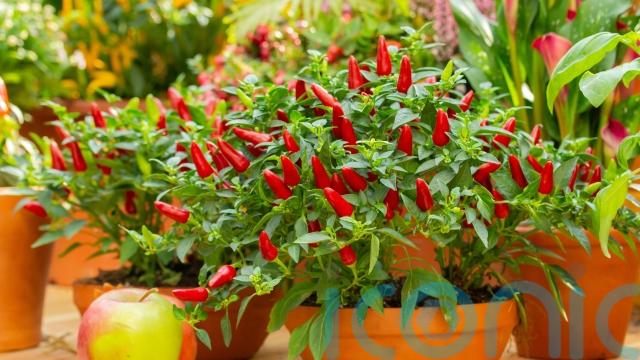
New popular choices include table-top chillies, compact aubergines, hanging basket cucumbers and 50cm grapevines. Blackcurrants will see a resurgence, thanks to new varieties bred sweet enough to be eaten fresh, rivalling strawberries, raspberries and blackberries.
The bumper tomato harvests this year, thanks to the dry summer, could drive increased demand in 2026, it added.
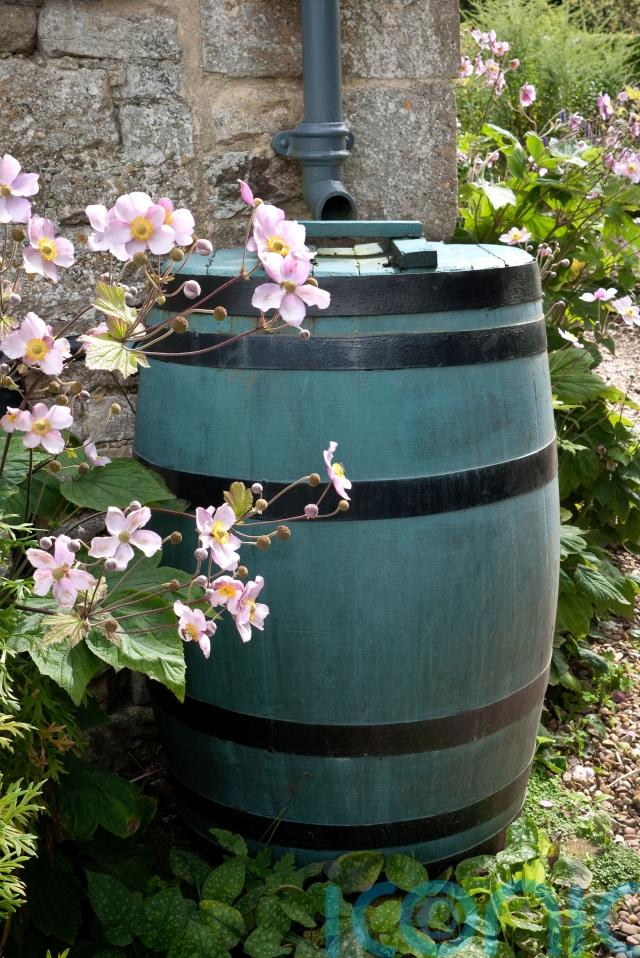
AI-enabled water butts which self-empty based on the weather forecast are still at concept stage, and traditional methods of saving and distributing water may prevail among community gardeners, “but in the fullness of time we expect AI-enabled water butts to automate the whole process,” said Barter.
Plants for pollinators, including single-flowered dahlias and drought-tolerant Persica roses, proved popular this year and the trend is set to continue, while viola sales are up on previous years and primroses should draw attention in early spring next year, the RHS said.
“People are more and more interested in and appreciate what we call biodiversity, but everyone else calls wildlife and natural things, in their garden, and there seems to be no end to people‘s interest in this,” said Barter.
In 2026, the RHS will launch its year-long Bringing Nature Home campaign, which will champion plants’ benefits for wildlife, including pollinators.
Other trend predictions include:
Popular plants
Erysimum, nemesia, lily-of-the-valley and gladioli will continue to remain popular, he predicts. Evergreen hebes will be another top choice, given its low maintenance, while Ilex crenata will be more popular for topiary and Hydrangea paniculata varieties are also growing in popularity.
“And with hotter summers coming, drought-tolerant plants like euphorbia will be a must,” he says.
Bold leaves
“These foliage plants are easy to look after, add colour and texture, and look great alongside flowering plants, creating more interest in the garden.”
Landscaping
Demand for decorative aggregates such as Cotswold stone chippings and blue slate will continue into 2026, says Danny Kirby, group landscape buyer for British Garden Centres.
“Low maintenance is definitely a huge part, and also it can give gardens a bit of colour all year round, when the plants may not.”
Furniture
Beige, almond and sand shades with hints of terracotta, grey and charcoal remain strong, while soft green and sage on fabrics will be the colour to watch.
Saving water
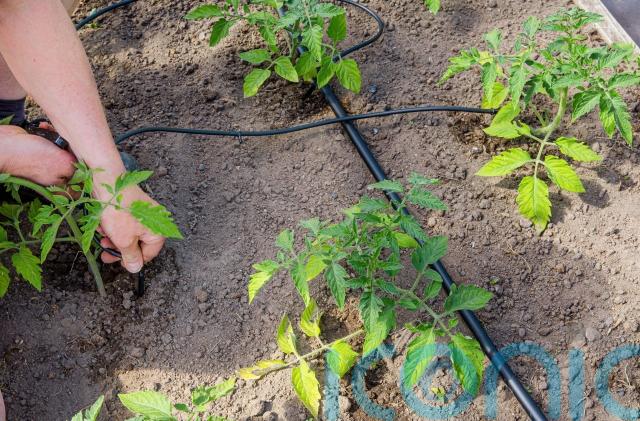
Water conservation will become essential, predicts Dr Anton Rosenfeld, research manager at sustainable garden charity Garden Organic.
“We will see more people mulching crops and supplying water through drip irrigation so that every last drop of water reaches the roots,” he says.
“We may also see increased interest in perennial crops as alternatives such as ‘Taunton Deane’ or ‘Daubenton’ kale. These require less water due to their deep, well-established root systems.”
Gardeners may also be trying out more unusual vegetables such as amaranth, as dependable favourites such as runner beans are starting to fail, with the hot conditions preventing the flowers from setting pods, he observes.
Edimentals
“We’re using a lot of them in the Eden Project Bring Me Sunshine Garden because they show how a garden can look good and also quietly feed you – even in the smallest spaces.”

Subscribe or register today to discover more from DonegalLive.ie
Buy the e-paper of the Donegal Democrat, Donegal People's Press, Donegal Post and Inish Times here for instant access to Donegal's premier news titles.
Keep up with the latest news from Donegal with our daily newsletter featuring the most important stories of the day delivered to your inbox every evening at 5pm.

This publication supports the work of the Press Council of Ireland and Office of the Press Ombudsman, and our staff operate within the Code of Practice of the Press Council. You can obtain a copy of the Code, or contact the Council, at www.presscouncil.ie, Lo-call 1800 208 080 or email: info@presscouncil.ie.