Search


24 Feb 2026
Search
24 Feb 2026

Please allow ads as they help fund our trusted local news content.
Kindly add us to your ad blocker whitelist.
If you want further access to Ireland's best local journalism, consider contributing and/or subscribing to our free daily Newsletter .
Support our mission and join our community now.
To continue reading this article, you can subscribe for as little as €0.50 per week which will also give you access to all of our premium content and archived articles!
Alternatively, you can pay €0.50 per article, capped at €1 per day.
Thank you for supporting Ireland's best local journalism!


Better known as the @thebeardedplantaholic, with a thriving social media following, houseplant enthusiast Jonny Balchandani is determined to bust myths about how to best water – and generally look after – houseplants.
The self-taught plantsman and digital marketing director, who lives in Malvern with his wife and two children, has cultivated a leafy indoor jungle of between 5,000 and 6,000 plants at his family home.
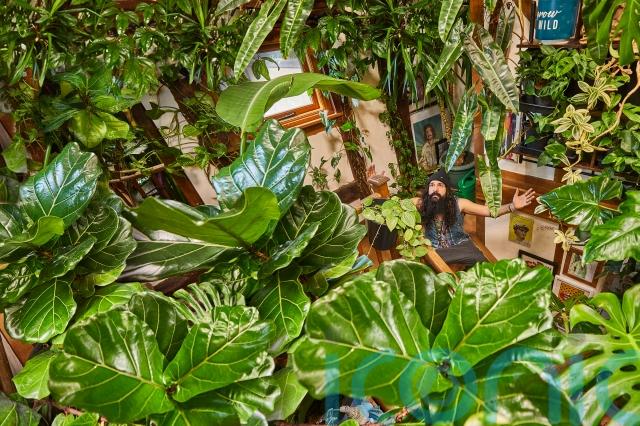
In his first book You’re Overwatering It!, the quirky author dismisses age-old advice that you should water houseplants every seven days, that misting will enhance humidity, or that all plants go dormant in winter.
The self-styled ‘plant-whisperer’, who has appeared on Gardeners’ World, tackles the most common houseplant problems in his own individual way.
Overwatering
Don’t follow the ‘once a week’ watering regime recommended by many, he advises. All you need is your finger, or if you’re averse to touching soil, a chopstick will do, to tell if your plant needs water, he says.
“Stick your finger into the soil before watering. If you pull your finger out and there is soil stuck to your finger, leave the plant alone. Same principle with the chopstick.
“If you pull your finger out and there’s hardly any dirt or no dirt, it’s bone dry, then give it a good soaking, let it drip dry and put it back where it was.”
If the houseplant has only been slightly overwatered, it might be all right, he continues.
“There’s overwatering, where I’m overwatering with a small cup, so I’ve overwatered by a cup-full, then there’s people who are giving it a litre every day. If it’s just a cup-full, then we could be OK, but if we can smell that horrible stagnant water which has been sitting at the bottom of the pot because there are no drainage holes, we may not be so lucky.”
Some plants are thirstier than others
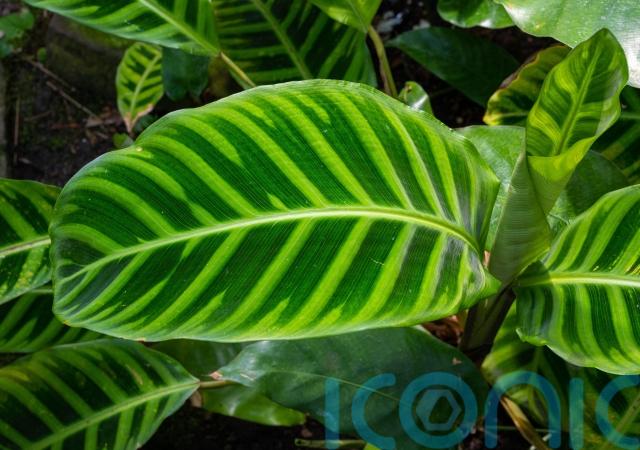
Plants which prefer to have their soil constantly slightly moist include alocasias, calatheas and certain types of begonias, so don’t let them dry out as much as other species like Monstera and philodendron, he advises.
Plants which are a lot more tolerant to drying out include Syngoniums and Rhaphidophora, he says.
If you’ve overwatered, what can you do?
“Take the plant out of that soil, out of that pot. Either put that soil aside and let it dry out somewhere if you wish to reuse it. If you don’t and it’s filled with fungus gnats, get rid of it.
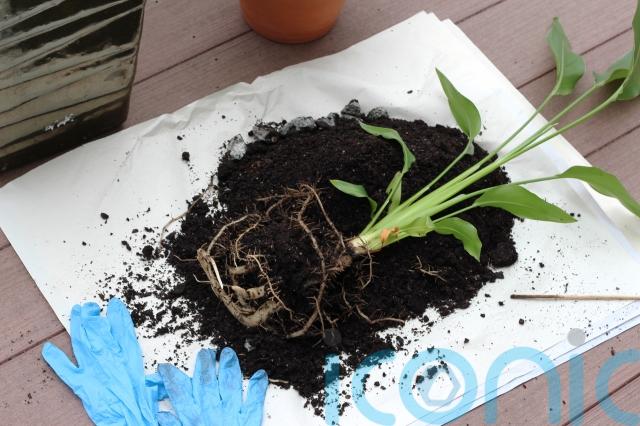
“Inspect the stem and the roots. If there are some roots that are soggy, mushy, or there are black bits, hose the roots down, so you can see what you’re working with, so it’s kind of bare-rooted.
“Cut back whatever you can if there’s any mush. If the stem at the bottom has also started to rot, cut off that bit and probably an inch above it as well.
“Leave it for a half an hour to an hour to start scarring over a little bit so that cut is not too fresh and repot it.”
Positioning affects water requirements
“Positioning affects the uptake of water for these plants,” he says. “The more light your plants are going to get, the more water they will drink.
“They’re photosynthesising. They’re creating sugars and and good minerals. They’re transforming all of this energy into food and that takes up more water. If you have your houseplant in a duller space you won’t need to water it as often.”
Overwatered plants will look sad

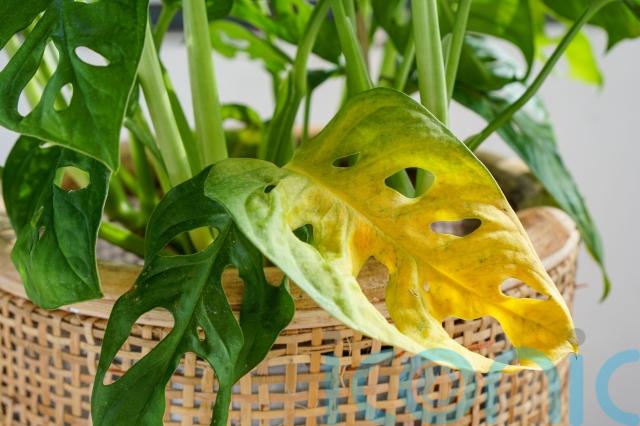
“Physically the plant will look sad. Unfortunately the browning of a leaf can mean overwatering or underwatering and we need to dig deeper.
“In some cases the signals are going to be too late. You will have wilted leaves. They’ll look unhealthy. At this point of this physical appearance, root rot may have already set in, in which case, if you don’t particularly want to start pulling the ball of roots out to look inside, can be quite daunting.
“The leaves on some plants will curl, like the common pothos. So when it gets thirsty, it’ll kind of tell you, because the leaves will start curling. Your classic peace lily will start wilting when it starts getting thirsty.
“Unfortunately, a lot of plants aren’t as obvious as that, and when they do start showing that sign of the browning or the leaves really losing their bounce, it can be too late.”
Other factors to consider
It’s not just overwatering that can lead to a plant’s demise. Other factors include the size of the pot, the substrate which the houseplant is planted in, central heating, draughts and light.
The humidity myth
Many people believe that bathrooms are better for plants which favour humidity, such as ferns, but Balchandani questions how humid bathrooms are for most of the day.
“I probably have one shower a day, so my bathroom does not have higher humidity for most of the day. But for the rest of the day it’s actually the coldest room in my house.”
You can’t just position humidity-loving plants in a bathroom expecting the short-lived steam from a shower to work its magic, he says. Other factors including temperature, light and potting medium are equally as important, he says.
“If you have a room that is constantly in higher humidity, it would be beneficial for any house plant or tropical plant, because you are mimicking their natural habitat.”
Does misting help?
“If you are misting to increase humidity, it’s a total waste of time.
“If I spray my plant for about a minute to three minutes, I will have a very short spike in humidity and then it will go straight back down to what it was before.
“So unless you sat there spraying for the whole day, you’re not going to achieve any type of constant humidity, or a real steady increase, or any increase that’s constant.”
Investing in a plant humidifier may be a better option, he suggests.
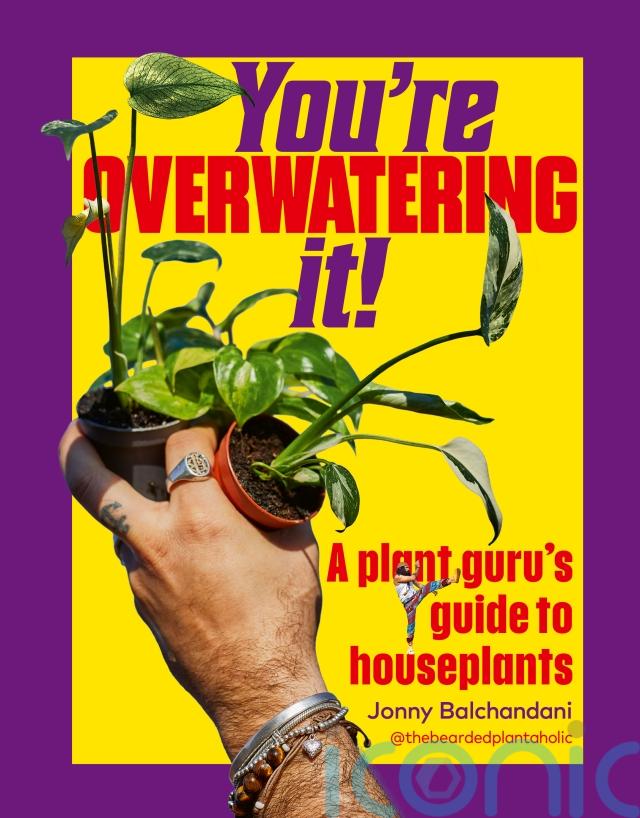
You’re Overwatering It! A Plant Guru’s Guide To Houseplants by Jonny Balchandani is published by Ebury, priced £25. Photography by Dave Brown. Available now

Subscribe or register today to discover more from DonegalLive.ie
Buy the e-paper of the Donegal Democrat, Donegal People's Press, Donegal Post and Inish Times here for instant access to Donegal's premier news titles.
Keep up with the latest news from Donegal with our daily newsletter featuring the most important stories of the day delivered to your inbox every evening at 5pm.

This publication supports the work of the Press Council of Ireland and Office of the Press Ombudsman, and our staff operate within the Code of Practice of the Press Council. You can obtain a copy of the Code, or contact the Council, at www.presscouncil.ie, Lo-call 1800 208 080 or email: info@presscouncil.ie.