
IRELAND SNOW MAP - Where will it snow as Met Éireann issue new weather warnings?
Search


13 Feb 2026

Please allow ads as they help fund our trusted local news content.
Kindly add us to your ad blocker whitelist.
If you want further access to Ireland's best local journalism, consider contributing and/or subscribing to our free daily Newsletter .
Support our mission and join our community now.
To continue reading this article, you can subscribe for as little as €0.50 per week which will also give you access to all of our premium content and archived articles!
Alternatively, you can pay €0.50 per article, capped at €1 per day.
Thank you for supporting Ireland's best local journalism!


After experiencing a loss, it can be tempting to withdraw from the world. However, a new survey indicates that many bereaved people are open to the idea of dating again but are afraid of being judged.
The study, carried out by 3Gem on behalf of charity Sue Ryder, surveyed 500 people who had lost a spouse or partner within the past five years and found that 43% said their grief had actually heightened their desire for intimacy, yet 21% admitted they felt uneasy acknowledging this to others.
Meanwhile, 36% reported that they believe there is greater stigma attached to dating after bereavement than after a break-up, rising to 41% when compared with divorce.
In addition, nearly one in five respondents (17%) said they had previously discussed with their partner what they would want for one another after death, and a third (33%) felt certain their partner would have wanted them to find love again.
Dating after a loss is often perceived as a taboo, so we spoke with Bianca Neumann, clinical director of grief and bereavement at Sue Ryder, to get her insight on the topic. She has offered the following advice on how to navigate dating after loss – and all the taboos, guilt and confusions that often surrounds it.
Remember that there’s no right or wrong time to start dating again
“There isn’t a right or wrong time to feel ready to date again, as everyone is different,” says Neumann. “There’s often an expectation to have a set end to your grief and move on, but life is much more fluid than that. We just have to listen to what our heart wants and needs, and what we feel like we need in our life, because we are the ones that have to keep living it.”
Reignite old passions, or find new ones
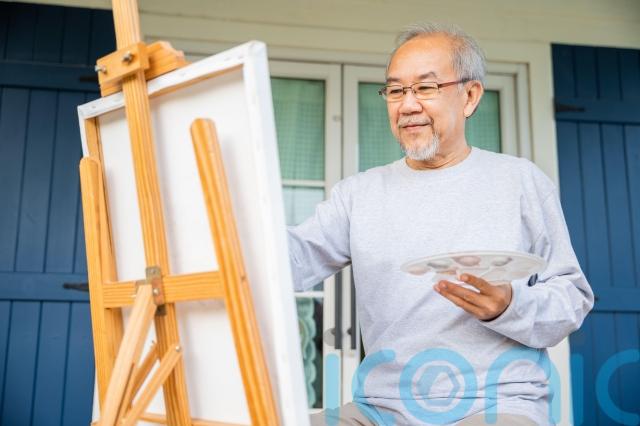
“People often tell me that they feel like they have lost parts of themselves following a loss, and you can only rediscover that by doing life,” says Neumann. “Learning about who you are after loss means trying new things, picking up things that you’ve previously abandoned, going for walks somewhere different and maybe getting in touch with people that you haven’t talked to for a while.
“Find yourself through others and through experiences to help you begin to create your own life story. That way when/if you start dating again you will be more able to know what you want.”
Be kind to yourself
“Sometimes people feel guilty because in their mind they’re still talking about this person that has died a lot in front of a new partner,” says Neumann. “However, it’s important to remember that when we are grieving, grief becomes part of who we are and the map of our story. So, the kinder you can be to yourself, the better. The more you can say, ‘well, this is how I’m feeling, this is what I need now’, hopefully the less guilt you will feel.”
Don’t be afraid to experiment
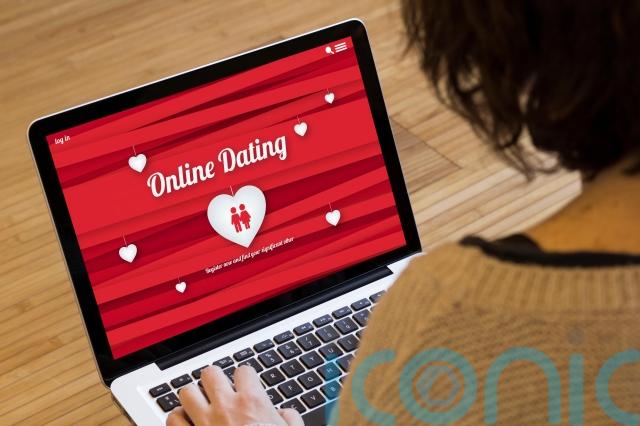
“If you have come out of a long-term relationship, whether that’s through death or through a separation, it’s important to put yourself out there and to experiment,” says Neumann. “Do your research, maybe ask a friend about how to meet people, see what’s going on in your local area and maybe experiment with dating apps or things like speed dating.”
Keep your eyes open
“We’re surrounded by so many people every day and often it just requires you to go down to your local supermarket and give someone a genuine smile to spark up a conversation,” says Neumann. “People will not find you if you’re sitting at home in your armchair. You need to show people who you are and that you’re interested.”
Be transparent with your loved ones
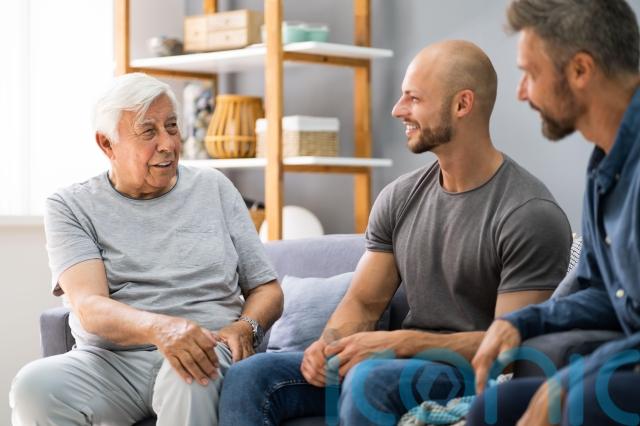
“Many people worry about their family’s reaction to dating again following a loss, and that’s normal because other people’s opinions matter to us and we want to belong,” reflects Neumann.
“I think just talking openly and being really transparent about how you’re feeling with them can be helpful.”
Introduce a new partner to your family when you feel ready
“The decision of how and when to introduce a new partner following grief is individual because everyone knows their own family best,” says Neumann. “Have a think about what the best way to pitch it might be, what words to use and what timing feels right for you.
“Overall, it’s about being feeling safe and secure in your own life, and if you’re ready, then the world should be ready to hear it too.”
If you’re experiencing grief, Sue Ryder is here to help. It offers free grief support, including an online bereavement community – sueryder.org/FindSupport

Subscribe or register today to discover more from DonegalLive.ie
Buy the e-paper of the Donegal Democrat, Donegal People's Press, Donegal Post and Inish Times here for instant access to Donegal's premier news titles.
Keep up with the latest news from Donegal with our daily newsletter featuring the most important stories of the day delivered to your inbox every evening at 5pm.

This publication supports the work of the Press Council of Ireland and Office of the Press Ombudsman, and our staff operate within the Code of Practice of the Press Council. You can obtain a copy of the Code, or contact the Council, at www.presscouncil.ie, Lo-call 1800 208 080 or email: info@presscouncil.ie.