Search


04 Feb 2026
Search
04 Feb 2026

Please allow ads as they help fund our trusted local news content.
Kindly add us to your ad blocker whitelist.
If you want further access to Ireland's best local journalism, consider contributing and/or subscribing to our free daily Newsletter .
Support our mission and join our community now.
To continue reading this article, you can subscribe for as little as €0.50 per week which will also give you access to all of our premium content and archived articles!
Alternatively, you can pay €0.50 per article, capped at €1 per day.
Thank you for supporting Ireland's best local journalism!


A new combination pill has been given the green light by the National Institute for Health and Care Excellence (Nice) to treat endometriosis on the NHS.
Relugolix–estradiol–norethisterone (also known as relugolix combination therapy or Ryeqo) is the first long-term daily treatment approved for endometriosis, working by blocking hormones that contribute to the condition, while also delivering essential hormone replacement.
Unlike injectable treatments, which can initially worsen symptoms, the pill can be taken at home, acts more quickly, and removes the need for clinic visits.
It will be available on the NHS for patients whose previous medical or surgical treatments have been ineffective.

The charity Endometriosis UK also noted that the drug may be suitable for only a small proportion of the 1.5 million women with the disease.
Initially, Nice rejected the drug’s use, but the manufacturer, Gedeon Richter, submitted additional evidence that addressed concerns regarding its effectiveness and cost-efficiency.
We spoke with leading endometriosis experts who debunked some common myths about the condition and highlighted several of its key symptoms.
What is endometriosis?
“Endometriosis is an oestrogen driven, chronic inflammatory condition where tissue similar to the lining inside the uterus (endometrium) grows outside the uterus, leading to various symptoms, including painful periods,” says Mr Hemant Vakharia, consultant gynaecologist, specialising in endometriosis and advanced minimal access surgery at London Gynaecology.
What are some common myths about the condition?
“Endometriosis is a chronic inflammatory condition, not just painful periods,” clarifies Dr Lucy Coyne, medical director at Care Fertility. “The pain can occur at any time during the cycle and may affect daily life, including work, relationships, and mental health.”
Another myth is that if you have endometriosis, you are infertile.
“While 30–50% of women with endometriosis may have fertility challenges, many can still conceive naturally or with fertility treatments,” explains Coyne. “Early diagnosis and management can help improve fertility outcomes.”
What are the common symptoms?
“Key symptoms to look out for are; painful and sometimes heavy periods that affect day to day life, pain during or after sex, chronic fatigue, issues with bowel movements or urination, especially in and around periods and difficulty conceiving,” highlights Coyne. “Symptoms can vary significantly from person to person with some patients having debilitating symptoms and some being completely asymptomatic.”
How is endometriosis diagnosed?
“If you suspect you have endometriosis, it is a good idea to speak to your GP in the first instance who will take a history from you and examine you,” advises Vakharia. “Often, they will request an ultrasound of the pelvis and discuss the results with you.”
However, endometriosis does not always show up on standard imaging, such as ultrasounds or MRIs.
“This is especially true in superficial endometriosis where the signs can be very subtle or when the disease affects areas not easily visualised,” highlights Vakharia. “If you have been told your scan is normal but have persistent symptoms, such as chronic pelvic pain, heavy periods, or pain during sex, it’s essential to advocate for yourself and seek a specialist for further evaluation.”
When should you seek medical help?
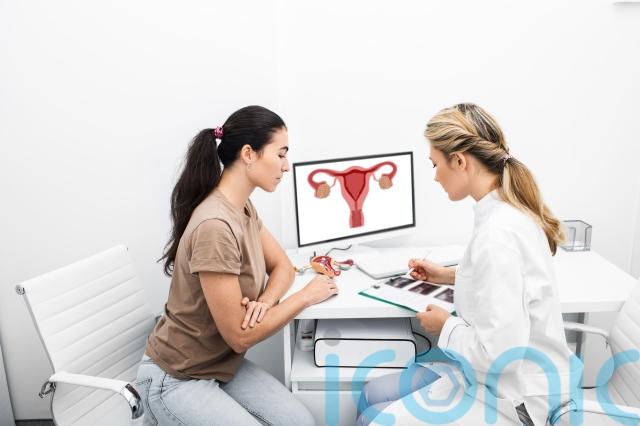
“It can be difficult to differentiate between ‘normal’ periods and ‘heavy or painful’ periods as there is often no objective way of comparing,” says Mr Narendra Pisal, consultant gynaecologist at London Gynaecology. “A lot of women just put up with that ‘time of the month’ and are told to get on with it.
“However, if you have to put your life on hold for those few days or if your sex life is affected by pain during sex, it is time to take note and ask for some tests.”
Pisal acknowledges that it can be challenging for a GP to identify the root cause during a 10-minute appointment, so suggests keeping a diary to track when your symptoms occur and how intense the pain is.

Subscribe or register today to discover more from DonegalLive.ie
Buy the e-paper of the Donegal Democrat, Donegal People's Press, Donegal Post and Inish Times here for instant access to Donegal's premier news titles.
Keep up with the latest news from Donegal with our daily newsletter featuring the most important stories of the day delivered to your inbox every evening at 5pm.

This publication supports the work of the Press Council of Ireland and Office of the Press Ombudsman, and our staff operate within the Code of Practice of the Press Council. You can obtain a copy of the Code, or contact the Council, at www.presscouncil.ie, Lo-call 1800 208 080 or email: info@presscouncil.ie.