
THROWBACK TUESDAY: Out and about for nights on the town across Offaly from the archives
Search


28 Jan 2026

Please allow ads as they help fund our trusted local news content.
Kindly add us to your ad blocker whitelist.
If you want further access to Ireland's best local journalism, consider contributing and/or subscribing to our free daily Newsletter .
Support our mission and join our community now.
To continue reading this article, you can subscribe for as little as €0.50 per week which will also give you access to all of our premium content and archived articles!
Alternatively, you can pay €0.50 per article, capped at €1 per day.
Thank you for supporting Ireland's best local journalism!


New research suggests that the menopause is linked to a loss of grey matter in the brain, which may help explain why women are more likely to suffer dementia than men.
Experts from the University of Cambridge carried out a study on 124,780 women to examine the effects of menopause on the brain and whether hormone replacement therapy (HRT) plays a role in preventing cognitive decline.
They found the menopause is linked to a loss of brain grey matter, which is vital for mental functions, memory, emotions and movement.
As this research shines a light on the potential role of menopause in dementia risk, we got in touch with Emma Taylor, information services manager at Alzheimer’s Research UK, to find out if there is anything we can all do to lower our risk of dementia.
Is dementia preventable?
“Research [from the Lancet Commission] suggests that up to 45% of dementia cases worldwide could be prevented or delayed through lifestyle changes and by removing 14 risk factors that we might be able to influence,” says Taylor.
What risk factors are we unable to control?

Age is widely considered the biggest risk factor for dementia, and is something we are unfortunately unable to control.
“The older we are, the more likely we are to develop a disease that causes dementia, like Alzheimer’s,” says Taylor. “One of the main reasons why age is such a big factor is that the diseases that cause dementia tend to take a long time to develop.
“In addition, our bodies naturally become a bit more vulnerable to damage as we age.”
Specific genes can also play a role.
“Although only around 1% of dementia cases are directly inherited, some people do have risk genes, such as APOE4, which can increase their risk of developing dementia, but doesn’t necessarily guarantee that we will get it,” explains Taylor.
So, what factors can we control to lower our risk of dementia?
“The Think Brain Health campaign at Alzheimer’s Research UK breaks brain healthy behaviours, that we can all do, down into three pillars,” says Taylor. “The first pillar is all about loving your heart, because what’s good for your heart is also good for your brain. The next pillar is all about staying sharp and the third pillar is about keeping connected.”
So, here some ways to reduce your risk of dementia which align with these three pillars…
Stay connected
“Research suggests that social isolation is linked to an increased risk of dementia,” says Taylor. “Depression, in particular, is a recognised risk factor for dementia, so keeping connected to the people around us is really good way to give back to our brain.
“Have regular catch-ups with friends and family or join a club that interests you, such as a dance class, a reading club or a puzzle club.”
Stay sharp with puzzles and brain teasers

“We know that keeping our brain active and challenged throughout our lives can also really help with our brain health and to reduce our risk of dementia,” says Taylor.
Learning new skills and doing puzzles can be really great for this.
“Alzheimer’s Research UK recently launched a Think Brain Health picture puzzle which is designed to use the pockets of spare time during the day, like waiting for a train, to challenge our brains and to keep learning new things,” says Taylor.
Get your eyesight checked
“Getting your eyesight checked is a really important part of looking after your brain health,” says Taylor. “It’s crucial to have regular eyesight tests because our eyes and our brains are very closely connected.”
In particular, visual impairment caused by cataracts and diabetic retinopathy is associated with an increased risk of dementia, according to Alzheimer’s Research UK’s website.
Managing long-term health conditions
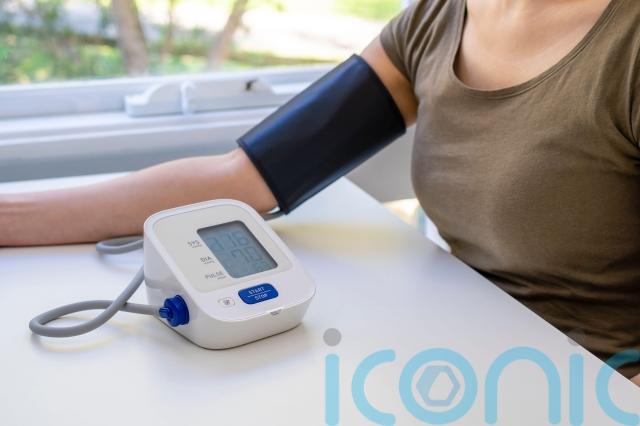
“Conditions such as high blood pressure, high cholesterol and diabetes can all damage the blood vessels, particularly in the brain, and when that happens, less oxygen and nutrients are able to supply our brain cells with what they need to function normally,” explains Taylor. “That can make it harder for our brain to fight against any damage that may build up over time.
“So, it’s really important to get your blood pressure or your cholesterol checked by your GP or at a pharmacies. If you are diagnosed with high blood pressure, high cholesterol or diabetes, it’s important to make sure that you’re proactively taking steps to manage those conditions.”
Limit alcohol consumption to 14 units per week
“Regularly drinking too much alcohol, especially over a long period of time, is toxic to brain cells and causes them to die,” says Taylor. “Drinking lots of alcohol can also make it harder for our bodies to absorb and store a vitamin called vitamin b1, and when we don’t have enough our brains can’t produce the energy that they need to work properly.
“So, it’s recommended to drink no more than the current NICE guidelines which is 14 units per week.”
Quit smoking
“Smoking is linked to a lot of different medical conditions, including heart disease, high cholesterol and high blood pressure,” says Taylor. “What’s good for your heart is good for your brain, therefore these effects mean that smoking increases your risk of dementia.
“Also, when we smoke, our blood vessels become coated in a sticky substance that causes fatty lumps to build up and the blood vessels to become narrower and get weaker. This means that less blood can get to every part of our body, including our brain.
“There’s also carbon monoxide in smoke from cigarettes, which can replace oxygen in our blood. That also means that the brain cells don’t get as much oxygen, which causes damage over time, because they’re not able to carry out their functions normally.”
Maintain a healthy weight

Research has found that obesity between the ages of 35-65 could increase dementia risk by three times (30%), according to Alzheimer’s Research UK’s website.
“Being obese can often put a strain on our heart, blood vessels and internal brain,” says Taylor. “It can increase our risk of high blood pressure, high cholesterol, diabetes, heart disease and stroke and inflammation, which can have a significant impact on our brain health.”
Stay active

“Physical activity keeps our blood pumping around, it helps us to control our weight, and studies have shown that being active regularly can help blood vessels to grow and work better,” says Taylor. “So, it’s actively helping things as well as managing your health.
“In addition, when you do regular physical activity, your brain starts to form new connections and this process can help protect our brains from damage from conditions like strokes, and also slow down natural age related decline of our memory and thinking.”
Research has also found that a year of regular physical activity could make the memory centres in our brain larger, she adds.
“If these areas are larger, it may take longer for the symptoms of diseases like Alzheimer’s to start showing,” says Taylor. “So, being physically active could actually delay the onset of dementia, as well as obviously reducing our risk of high cholesterol, high blood pressure and having a stroke.”
Alongside the host of benefits that exercise brings, walking with others strengthens the social bonds that play an important role in supporting long‑term brain health.
“This summer, Alzheimer’s Research UK is bringing communities together through a nationwide series of Walk For A Cure events, from relaxed, accessible 5km routes to more demanding 42km challenges,” says Taylor.

Subscribe or register today to discover more from DonegalLive.ie
Buy the e-paper of the Donegal Democrat, Donegal People's Press, Donegal Post and Inish Times here for instant access to Donegal's premier news titles.
Keep up with the latest news from Donegal with our daily newsletter featuring the most important stories of the day delivered to your inbox every evening at 5pm.

This publication supports the work of the Press Council of Ireland and Office of the Press Ombudsman, and our staff operate within the Code of Practice of the Press Council. You can obtain a copy of the Code, or contact the Council, at www.presscouncil.ie, Lo-call 1800 208 080 or email: info@presscouncil.ie.