

Dresses by celebrated designer displayed for first time in Birr Castle


‘research over the past year uncovered garments of both national and international significance’
BIRR’S scientific history is well known but far less known is its textiles and fashion history .
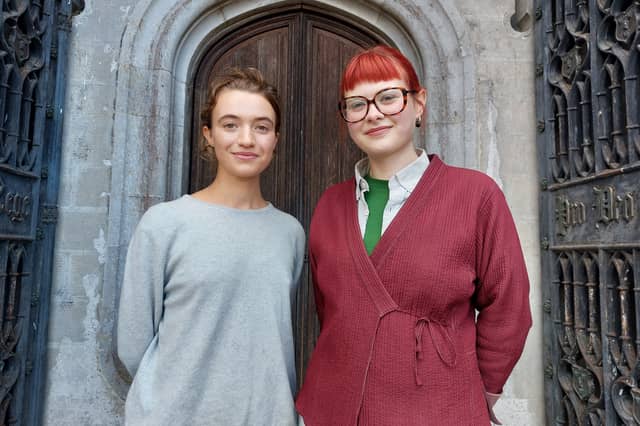
Following a five-year search through attics, wardrobes, trunks, and storage spaces across the estate, Alicia Clements decided to celebrate Birr Castle's fascinating fashion history and to commission the first professional survey of the textile and fashion archive. With this in mind she appointed the curators and archivists Lily Morgan and Eleanor Aitken of Central Saint Martins in London to carry out the survey. Lily and Eleanor's research over the past year uncovered garments of both national and international significance, including previously undocumented works by the pioneering designer Charles James, rare examples of Irish fashion design, and ceremonial dress spanning several centuries, linked to some of the most significant scientific and cultural figures associated with Birr Castle.
Lily and Eleanor say they have uncovered about 400 items so far, including some stunning pieces which were found in “dressing up trunks.” They point out that the total number of items could eventually be considerably higher than 400.
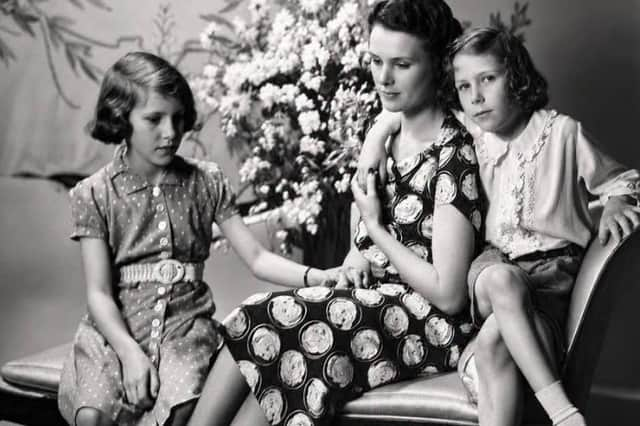
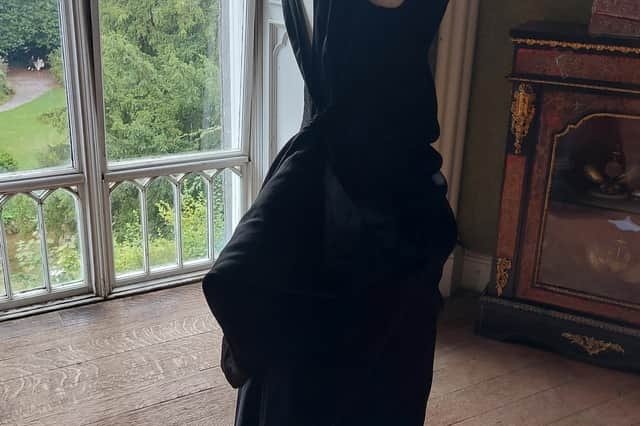
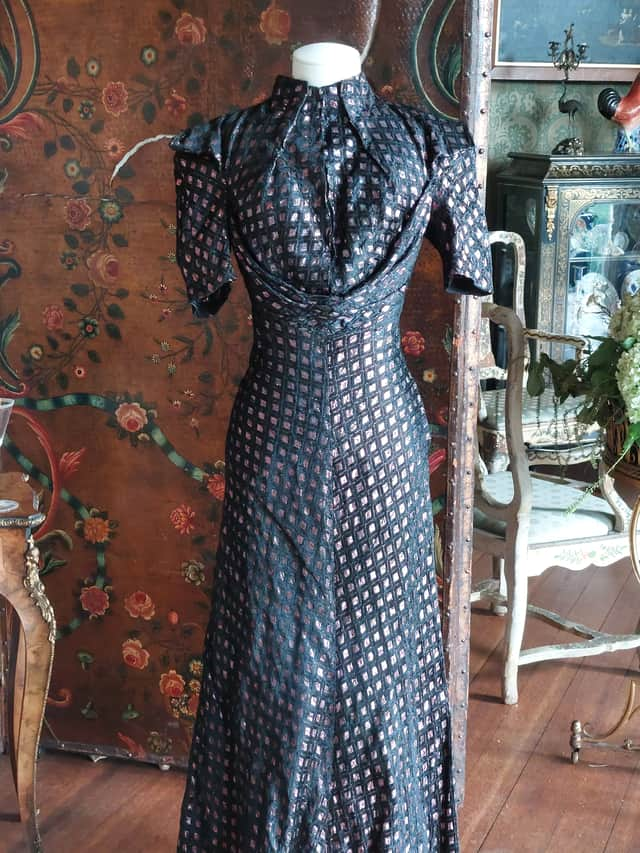
Alicia, who is the General Manager of the Oxmantown Settlement Trust (which owns Birr Castle Demesne), said she has long envisioned this project. Her grandmother, Anne, Countess of Rosse, was renowned in London fashion circles for her distinctive style, with many pieces carefully preserved in boxes, often accompanied by handwritten notes recording when and where they were worn. Alicia says her mother Alison had some beautiful pieces of clothing created by leading Irish Designers as well. The Castle collection features a marvellous array of hats and shoes and bags as well.
The clothing collection spans several generations of the Parsons family, who have lived in Birr Castle since 1620, ranging from elaborate 18th and 19th Century gowns to children’s clothing and rare examples of 17th Century menswear. There is a dress that was worn to a ball on the eve of the Battle of Wateroo. “The previous generations of our family,” commented Alicia, “thankfully decided to not throw stuff out and to hold onto it instead, which has led to this very impressive collection. While the furniture and paintings have been carefully catalogued, there are also 400 years of clothing, needlework, and soft furnishings.” She believes these textiles are, in many ways, as significant as the paintings and furniture.
The Curators Eleanor and Lily share this view, with Lily describing the archive as “a collection that offers a rare opportunity to explore fashion not simply as clothing, but as a record of lives lived, relationships formed, creativity expressed, and history experienced.”
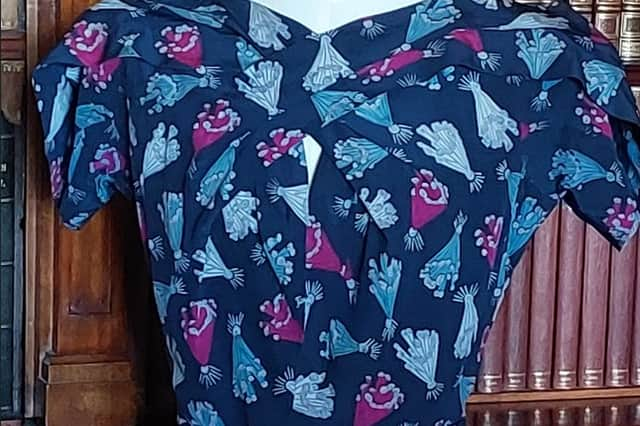
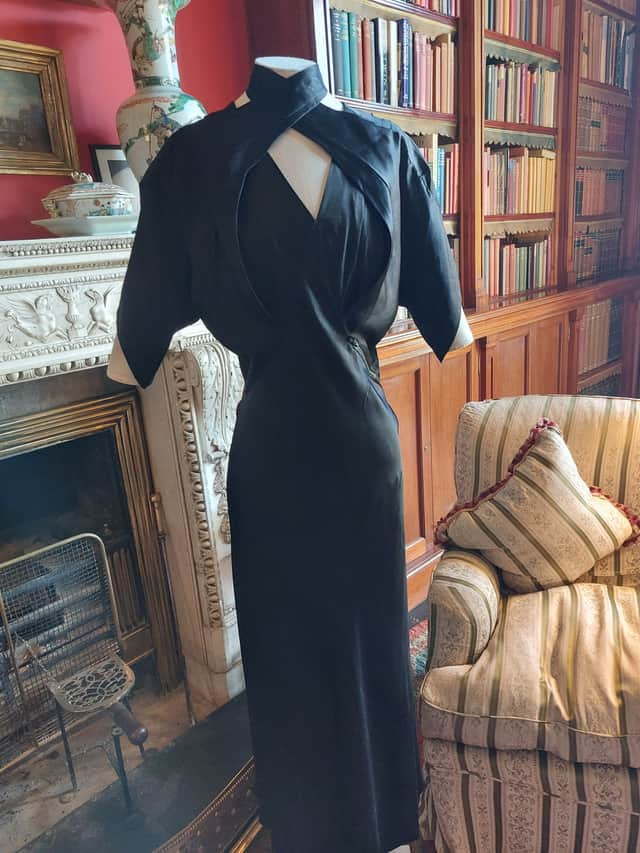
Several Charles James dresses have been found. Charles James was widely regarded as one of the most influential American / British designers of the twentieth century. Until this year's Heritage Week when his dresses (designed for and worn by Anne Countess of Rosse) were put on display to the general public in the Castle it was not generally known that there was a treasure trove of his dresses in the attic of the castle. The collection includes previously undocumented designs and unpublished correspondence between James and Anne, Countess of Rosse, offering new insight into his creative development during the 1930s. One exceptional dress features fabric designed by celebrated French artist Jean Cocteau and may also reflect the influence of Oliver Messel, one of Britain's most acclaimed theatrical and interior designers. Together, the garment represents a remarkable intersection of fashion, art and design during the Surrealist era.
The display of the Charles James dresses was perhaps the first small step where the fashion collection at Birr can, in future, be fully unveiled.