

Local river quality among the worst in the country
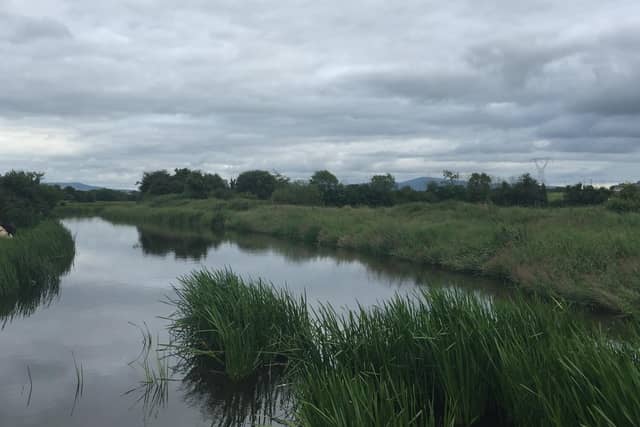

The Clareen River in Nenagh received a very negative report
A tributary of the Nenagh River has been identified as one of just three rivers in Ireland classified as being in “bad” biological condition, according to the Environmental Protection Agency’s latest assessment of national water quality.
The EPA’s newly released ‘Water Quality in 2025: An Indicators Report’ found that the Clareen (Nenagh) river water body was among only three locations nationally to receive the lowest classification. The other two were stretches of the Folies Stream in the River Laune catchment in Kerry and the Ahavarraga Stream in Limerick.
The finding places the north Tipperary river in a small group identified as experiencing the most severe ecological pressures in the country.
Nationally, the EPA reported that just over half of Ireland's river water bodies (54 per cent) are classified as having high or good biological quality, while the remaining 46 per cent fall into the moderate, poor or bad categories.
Of the 717 river water bodies assessed during 2025, 515 remained stable with no change in quality classification. However, the agency recorded a net decline overall, with 109 water bodies deteriorating compared to 90 that improved.
The inclusion of the Clareen River among the country's worst-performing water bodies highlights the challenges facing parts of the Shannon catchment, which covers much of Tipperary. Environmental scientists use biological quality indicators, including aquatic insect and invertebrate populations, to assess the overall ecological health of rivers.
The EPA has repeatedly identified excess nitrogen and phosphorus entering Ireland’s waterways as among the principal threats to water quality nationally. These nutrients can contribute to ecological degradation, affecting river habitats and biodiversity.