

'Government refuses to listen': Offaly Paramedics participate in National Ambulance Service strike

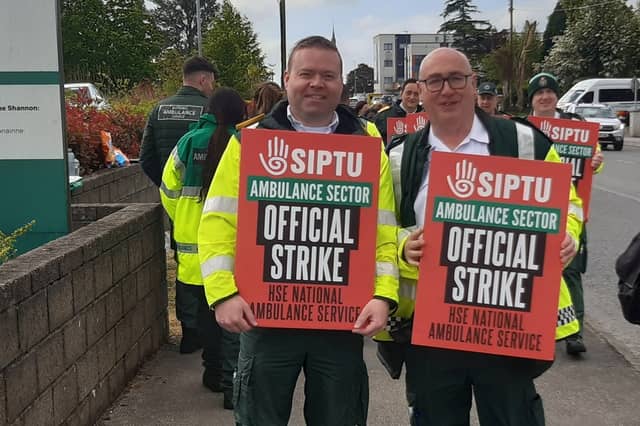

Paramedics took to the picket lines from 8am on Tuesday morning at various ambulance dispatch centres across the country for a period of 24 hours
Offaly Paramedics were part of the National Ambulance Service (NAS) personnel who staged a 24-hour strike on Tuesday, May 12 as a long-running row over pay continues to escalate.
Paramedics took to the picket lines from 8am on Tuesday morning at various ambulance dispatch centres across the country for a period of 24 hours.
They are calling on HSE management to engage with their unions to address this dispute and to implement the introduction of enhanced pay scales for ambulance personnel while also addressing historic pay injustice.
Among those on the picket line in Offaly was recently retired paramedic, Barry Flynn. Mr. Flynn, who was part of the Tullamore Ambulance Station for 26 years said he was there to support his former colleagues because, like them, he has been part of the ambulance service's modernisation over the past 15 to 20 years without reward.
Mr. Flynn offered an insight into what the modernisation has entailed for paramedics. He pointed out that year on year, there has been training which involved on-line modules, pre-training study and classroom sessions where new medications and new clinical skills have been introduced.
This has moved the ambulance service from a basic patient transport service to a clinical service where patients are now treated in their homes and stabilised before being transferred to the hospital, leading to better patient outcomes.
These skills include crews regularly administering increased medications, including injections, and making clinical interventions en route to the hospital.
Additionally, Ambulance crews regularly make decisions regarding the appropriate hospital for the patient, which often involves having telephone conversations from the patient’s home with cardiologists and consultants.
Mr. Flynn explained: “They respect our medical judgement in making such decisions. The general public also respects what we do, and where we have come from, it seems to be that it's just the HSE and the politicians who are dismissive.”
He continued: “For years, ambulance staff have been told to embrace the new skills and training, and the rewards would follow. Crews gladly took on the new skills and medications because they would benefit many of the patients, but they feel a line must be drawn somewhere.”
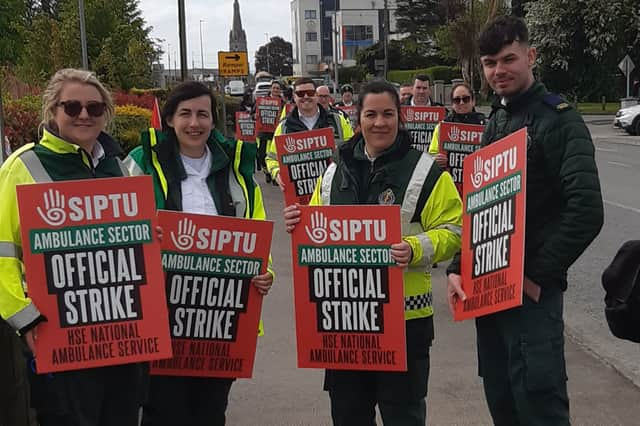
The crux of this, according to Mr. Flynn, is that a line was drawn following an independent report in 2020 which agreed that there should be a financial reward for the years of extra training, but that pay increase has never materialised.
The HSE are seeking reforms of the service before they introduce any pay increases. However, according to Mr. Flynn, many non-clinical reforms have already taken place during the last number of years also.
These include medication management, how staff book annual leave, how crews submit and view some of their wages, new ambulance technology and the recording of patient care reports.
“We are not anti-reform, but any suggestion that there has been no reform up until now is just not accurate,” said the retired medic.
Mr. Flynn also dismissed suggestions that the strike shows a lack of empathy by ambulance crews.
He pointed out that crews don't want to be on strike. "Our nature is to care for people," he said, adding that many ambulance staff choose to respond voluntarily in their own communities when they are off-duty.
The HSE expressed concerns ahead of the strike about the significant impact the industrial action is likely to have on ambulance services on Tuesday.
They added that people may need to consider making their own way to emergency departments during the 24-hour stoppage.
However, Mr. Flynn confirmed that certain contingency plans were in place throughout the duration of the strike in case of emergency including three ambulances visible at the picket line in Tullamore that were ready to be dispatched if needed.
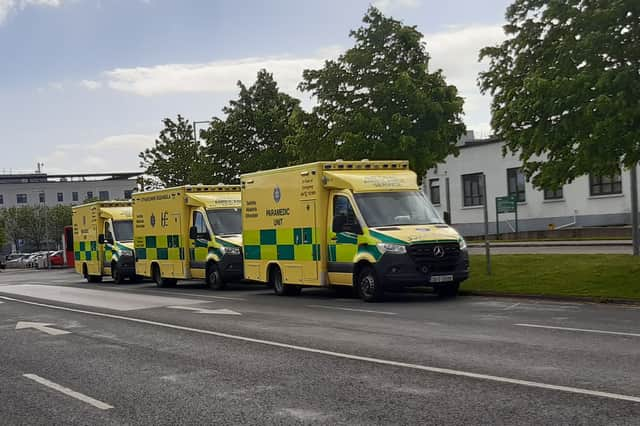
Independent TD for Offaly, Carol Nolan also weighed in on the ongoing dispute as she stated that the “ambulance strike is the latest example of a Government that refuses to listen.”
She described the 24-hour ambulance service strike as “yet another predictable and entirely preventable crisis caused by years of government inaction on frontline health workers.”
Deputy Nolan was speaking as ambulance crews from the National Ambulance Service took part in industrial action over pay and conditions.
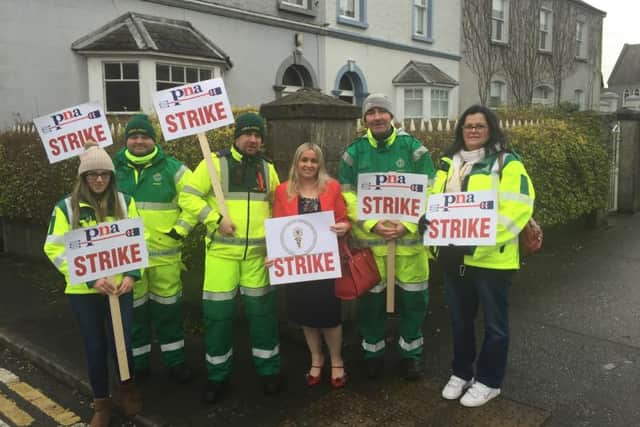
The independent TD expressed: “This strike is not a surprise, but it is the direct result of a government and HSE that have repeatedly failed to listen to the very people keeping our health service alive. Just as we saw with the fuel protestors, warnings were ignored, frustrations were allowed to build for years, and now patients in Offaly, the Midlands and elsewhere are paying the price.”
She added: “Many TDs, including those on the government benches, have been well aware for years that ambulance staff were reaching breaking point. The 2020 Roles and Responsibilities Review promised proper pay scales, recognition of advanced qualifications and a fair wage increase. Six years later, nothing has been delivered.”
“Despite enormous levels of professional burnout, staff have been patient, professional and reasonable, but they now feel that they have been taken for granted.”
Deputy Nolan also highlighted the added pressure already visible in the region, noting that Midlands Regional Hospital Portlaoise is currently experiencing exceptionally high patient admission numbers, with non-urgent cases facing significant delays in the Emergency Department.
Management there is actively urging people to use GP, pharmacist or out-of-hours services instead.
Deputy Nolan conveyed: “This is the reality on the ground right now, even before the strike. The system is already under strain and the government’s failure to resolve this long-running dispute is only making things worse for patients and their families in Offaly and across the Midlands.”
The Offaly TD pointed to her own long record of supporting ambulance staff. In 2019 she publicly highlighted the “entirely unacceptable” conditions they were being forced to work under, including excessive overtime, outdated vehicles and a refusal by the HSE to properly engage with their representatives.
At that time, she called on the then-Minister for Health Simon Harris and the HSE to act before a national strike became inevitable.
“Seven years later the same issues remain unresolved. That tells you everything you need to know about this government’s attitude to frontline workers,” the Offaly TD said.
Deputy Nolan concluded: “I stand with the ambulance crews today. They deserve fair pay, proper recognition and safe working conditions. The government must immediately implement the 2020 review recommendations, engage meaningfully with the unions and end this completely avoidable crisis before further strikes take place.”
Tuesday’s strike was the first of a series of strikes planned if the dispute is not resolved. There are also plans for a 48-hour stoppage beginning on May 19 and a 72-hour stoppage on May 26.