

General public invited to restore bogland in Offaly and Laois this summer

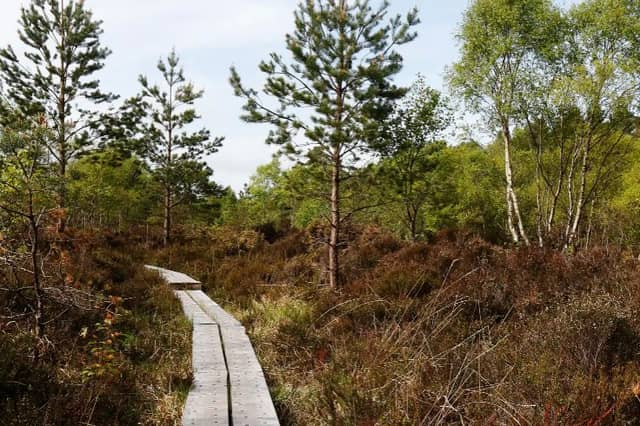

‘Along the way you'll get your hands dirty with practical restoration work’
AN open invitation has gone out to the general public to get involved in restoring bogland in Offaly and Laois during the summer.
“Peat in Practice” is a five day camp which is open to a group of 20 young adults aged 18 to 30 and it will take place from 24–28 August. It will feature hands-on learning and practical experience across different peatland settings.
The five days will take participants on a journey through the Irish peatland landscape — from drained agricultural land and recently restored bogs to a pristine protected Natura 2000 site. Along the way you'll get your hands dirty with practical restoration work, explore carbon monitoring and paludiculture, work alongside artists to reimagine restoration materials, and return on the final day to reflect on what it all means — personally and collectively.
The camp is rooted in the communities who live and work in the Irish landscape. The organisers say they are building “a cohort that reflects the full diversity of people who can shape the future of peatland restoration — farming families, rural communities, and those with generations of connection to the land, alongside those from urban backgrounds and anyone who has never had the chance to experience a bog before.”
The camp is being run in collaboration with Green Restoration Ireland’s Farm Carbon Transitions EIP, Abbeyleix Bog Project and Clara Heritage Society.
Peat in Practice is being run by RE-PEAT. RE-PEAT is a youth-led, non-profit collective active across Europe that bridges culture, policy, science, and grassroots advocacy for peatlands. The collective educates and activates through immersive experiences, hands-on programmes and community building. RE-PEAT strives for an interconnected world in which all peatland dwellers are supported culturally and ecologically.
The Peat in Practice programme, recently launched at the Young People Old Peat symposium, brings young adults together with intergenerational local communities and experts through hands-on peatland restoration camps throughout Europe.
The organisers say that RE-PEAT's Peat in Practice programme addresses a critical gap in peatland restoration: “the need for long-term, hands-on, community-based care that is often overlooked and underfunded because it cannot be mechanised or outsourced. The programme empowers the next generation of peatland stewards by equipping young people from diverse backgrounds with practical restoration skills. At the same time, it supports local conservation efforts while celebrating the history, heritage, and cultural relationships that connect people to peatlands.”
Before the camp in Ireland, Peat in Practice is piloting a second camp in the Netherlands in August and preparing for a UK edition in 2027, with plans for cross-border exchanges and building an international and inter-local network of young peatland practitioners over the years.
"Last year, during our visit to Ireland, everywhere we went,” said Holly Bartley, Peat in Practice Programme Development Coordinator, “we were reminded of the value of local rootedness and the deep relationships people have with their bogs. We came away inspired and convinced of the potential of youth-led restoration camps. I really believe camps offer something special. They give young people the chance to immerse themselves in the landscape, learn by doing, and experience what it means to care for peatlands. I really hope this is just the first of many camps, and that more and more young people across Ireland will feel inspired to get involved and reconnect with their peatlands and local communities."
The camp will bring participants to a range of peatland sites—healthy, degraded, and restored—where they will take part in hands-on restoration activities and experience different practical restoration settings first-hand. The programme offers a diverse mix of expert talks, restoration work, and creative workshops, allowing participants to engage with Ireland’s peatlands from ecological, scientific, social, and cultural perspectives.
Across the week, participants will explore paludiculture at Donie Reagan’s farm and its role in restoring peatland water levels, peatland ecology and biodiversity assessment; and practical approaches to peatland restoration, including invasive species management. The programme also covers the emerging bioeconomy, community-led initiatives, and methods for carbon monitoring and evaluating restoration impact.
Participants will visit both degraded and protected peatland sites, including Clara Bog (which is a Natura 2000 area), gaining insight into conservation frameworks, regulations, and peatland rights. Creative engagement sessions with local artists will explore how peatlands can inspire creative restoration practices.
Alongside this, a cultural strand runs throughout the camp, bringing together basket weaving, storytelling, and music. Mid-camp, on Wednesday 26 August, after a day of restoration work at Abbeyleix bog, there will be a public evening event in Abbeyleix, open to all, where stories on the myths, legends, folklore, and historic past of Irish peatlands will be told.
"At Green Restoration Ireland,” said Doug McMillan, Founder, Green Restoration Ireland, “we see peatland restoration and carbon farming as two sides of the same coin — both are about giving farmers and communities practical, hands-on ways to work with the land rather than against it. The Farm Carbon Transitions EIP exists to build exactly this kind of bridge between science, farming practice, and community knowledge, so supporting RE-PEAT's Peat in Practice camp felt like a natural fit from day one. It's also a brilliant way to bring young people into direct contact with Irish peatlands, local farmers, and the restoration work already happening on the ground. This is exactly the kind of grassroots engagement Farm Carbon Transitions EIP is built around. We can't wait to welcome the camp to the Midlands this August."
With a fully organised programme, food, transport, and a space to pitch your own or a provided tent included, this is a free camp, open to all interested participants regardless of background.
If you are curious to learn more then Peat in Practice will be inviting you to an info webinar in the last week of July, where the team will answer questions and will also dive into the topic of peatland restoration and paludiculture with Douglas McMillan from GRI.
The organisers point out that whether you've spent years working in this field or this is your first time hearing about peatland restoration, this is the camp for you. They say this is “a space to learn, get your hands dirty, and start building the local network that will grow this work long into the future.”
Birr woman Lucia Reid will be one of the Coordinators running the camp. If you wish to learn more please email her at [email protected]