

Deer population in Offaly is out of control, unsustainable and dangerous

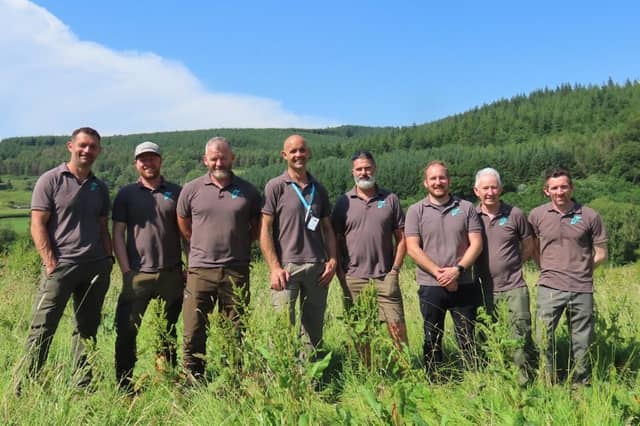

‘A common complaint by those living in the region is the road hazard posed by the deer’
THE deer population in Offaly, and in the wider Midlands region, is currently out of control, unsustainable and dangerous.
Michael Keegan, Manager of the FRS (Farm Relief Services) national Deer Management Programme, told the Midland Tribune this week that there is “definitely a huge issue regarding road traffic accidents” in the region, as a result of the high deer numbers.
A common complaint by those living in the region is the road hazard posed by the deer population with some pointing out that there should be a more efficient culling programme.
In response to this need, Farm Relief Services is setting up Deer Management Groups where local landowners identify a need. “That's what we have been contracted to do,” commented the FRS Manager. “Our role is to bring a more structured approach to deer management and obviously a desired outcome of that would be a reduction in numbers."
Asked if we have any idea of the deer numbers in the Midlands and if the numbers of deer are increasing in the Midland counties, Mr Keegan replied that anecdotally, yes, it seems deer numbers are on the increase. “However, we have no accurate data on deer numbers nationally. To try to gather this data would be extremely costly and of little benefit at this stage. We know from the impacts on the ground in farmland, forestry, and on our roads, that in many areas deer are at unsustainable numbers, therefore it was decided to focus our efforts on putting in place structures to try to facilitate a reduction in numbers rather than spending a lot of money and time counting deer."
An FRS Co-op Deer Management Programme event was held in Kinnitty on Friday June 26. This was a first-of-its-kind event. A national event, it brought together farmers, foresters, landowners, and hunters from across Ireland to discuss the pressing issue of sustainable deer management, forestry, farmland protection, and habitat conservation.
The Information Day featured expert speakers and practitioners from key organisations including the Farm Relief Services (FRS), University College Dublin (UCD), ProSilva, the Native Woodland Trust, and the National Parks and Wildlife Service (NPWS). Topics covered included deer ecology and behavior, the impact of deer on forestry and farmland, the FRS Deer Management Programme, and practical insights into collaborative deer management.
In addition to the presentations, event goers were also taken on a walk of the nearby Native Woodland Trust Forest to observe the on-the-ground impacts that unsustainable deer populations can have on forestry plantations. This took place following a Venison BBQ available for all visitors.
In February 2025 FRS was awarded a contract to establish a new deer management programme in Ireland, which would aim to deliver a number of recommendations from the Deer Management Strategy Group. This includes the establishment of 15 Deer Management Units (DMUs) in hotspot areas of the country and to appoint local coordinators to work with landowners and hunters.
The event in Kinnitty was attended by approximately 100 hunters, landowners and interested members of the public, and included a speech by local TD John Clendennen, who recently raised the problem of high deer numbers during an Oireachtas Committee meeting.
Last week, Minister for Agriculture, Food and the Marine Martin Heydon announced that five cold storage larders to hold deer carcasses had arrived and were being installed in a number of the Deer Management Units across Ireland. The Minister said this investment was a strategic decision to improve the viability of deer hunting in rural Ireland and to develop the country’s wild venison industry.
Addressing the gathering on June 26 in Kinnitty Community Centre, Deputy Clendennen spoke about the significant increase in the local deer population and the urgent need for a collaborative approach to mitigate the impact on agriculture and road safety. “From over the last number of years,” he remarked, “there’s no doubt that the presence of deer has increased significantly right across the area. I grew up here in the Slieve Blooms in Kinnitty village, and once upon a time you saw a deer on the odd occasion. Now, when you’re travelling over the mountains late at night, you see 10, 15, 20 deer. There are numerous black spots on roads that were never black spots before. So it is becoming an increasing problem.”
He said this new state-led deer management initiative, contracted to FRS, is very important. “We see farmers, foresters, landowners, and hunters all coming together under this new deer management initiative that we now have, led and resourced by the state. This is an important step forward in terms of bringing the engagement together, ensuring that all of the stakeholders are involved.”
He said the approach should be comprehensive, focussing not just on culling but also on the broader implications of the rising deer population, such as the transmission of diseases and damage to agricultural land. “From every perspective, this is not solely about culling. I know there’s a lot of talk about population numbers and how they increase, but there are other initiatives that can be introduced as well, and I think that holistic view and approach to management overall is what will serve us best.”
He acknowledged the frustration on the ground but expressed optimism about the path forward. “People do see a plan that can work, but we have to implement it now. And we have to see results, and we have to monitor those results on a regular basis, and ensure that the case can be made for further investment, and that this is an initiative that’s been worthwhile.”
Michael Keegan told the gathering that deer management is not something that can be delivered from an office; and it depends heavily on working together and making informed decisions at a local level. He said this was a golden opportunity for hunters to shape the future of deer management in Ireland. “As hunters, we should want this programme to be successful; we may not get another opportunity to have this much input again. We need hunters and landowners to be active participants in their own Deer Management Groups, helping to drive decisions, identifying local priorities, and shaping how deer management is carried out on the ground in their locality. The best decisions are made by people who know the land. FRS coordinators are there to support you all in this by helping to structure the groups and encourage good data management.”