

Villages, vineyards and volcanic lakes – the delights beyond Rome’s borders
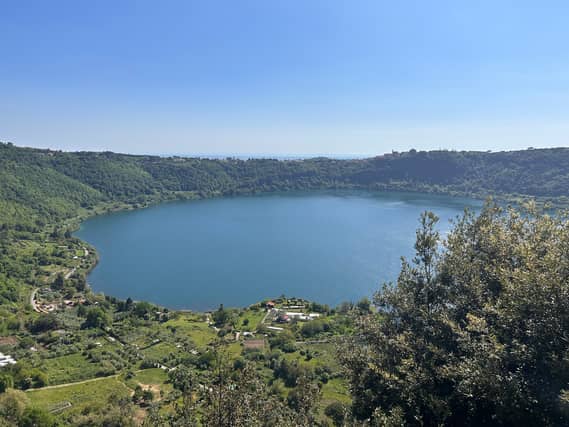

A fig tree, dropping with fruit, ruffles in the breeze. My guide, Federica, points and cries: “The typical Roman breakfast – focaccia, ham and fig! It’s the perfect balance of sweet and salty. But these figs are unlike anything you would get in England.”
And neither are the views.
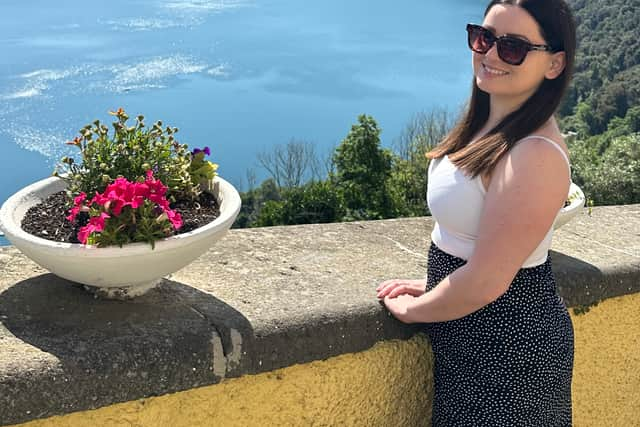
A vast turquoise lake stretches out below me, fringed by dark green Mediterranean pines. From my vantage point, high up in the hills, I can just make out tiny paddle boarders on the surface of the water. In the distance, the pale blue Mediterranean Sea twinkles.
As for the Roman breakfast – we are only a stone’s throw away from the Italian capital.
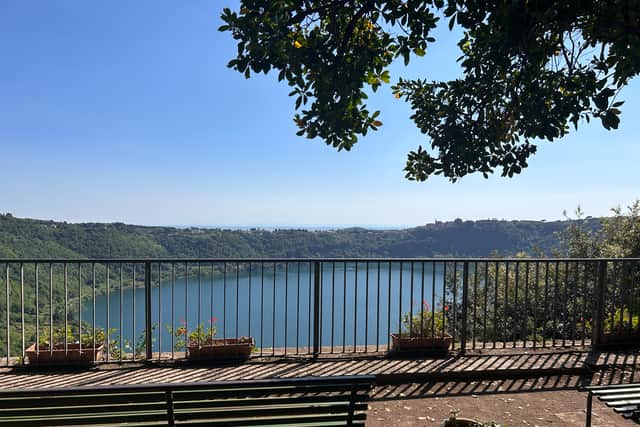
It’s situated on the southern lip of Rome – only 22km from the city centre, made accessible by a direct train service that speeds through the Lazio countryside in just under half an hour.
An escape from the city
While the Eternal City is packed with iconic attractions and a bustling atmosphere, the idea of extending my city break by a couple of days to take in calming vistas of winding hillside trails, chestnut trees and quaint villages was simply too inviting.
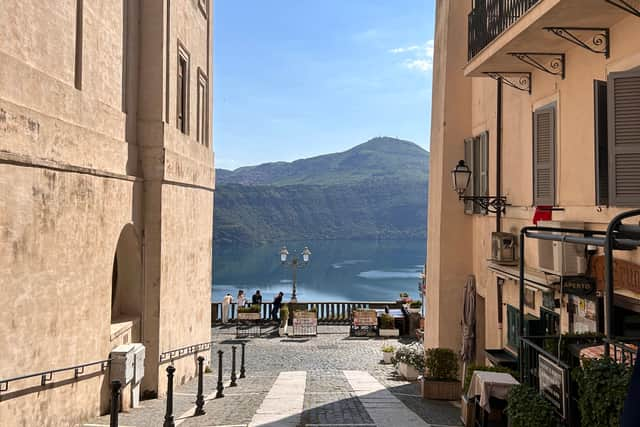
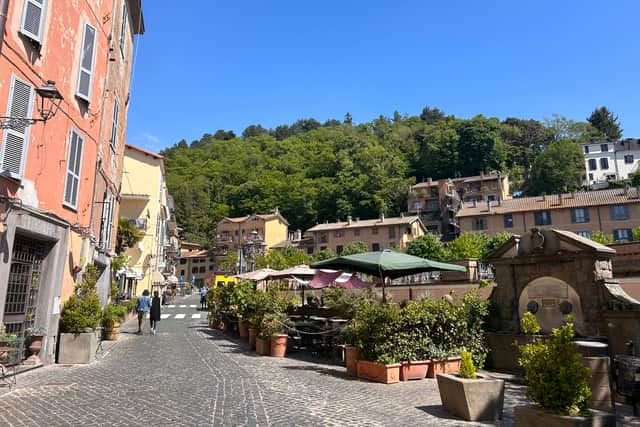
While I’m content to meander down cobbled side streets, soaking up the sunshine with a gelato in hand, I soon realise there is much to discover behind the facade of these quiet villages with their deserted town squares.
Community identity
Nemi, for example, is a vision of paint-peeled, sun-bleached buildings with wooden shutters and terracotta tiles – but it’s prettiest attraction by far is it’s vast lake at the bottom of the valley.
So beloved are these pint-sized fruits, residents throw a strawberry festival each year. On the first Sunday of June, women don traditional costume to host parades. Celebrations culminate with fireworks over the lake.
Marco, my tour guide, tells me that Castelli Romani residents have such a deep affinity with their hometowns – everyone believes theirs is the best – that each community has its own identity.
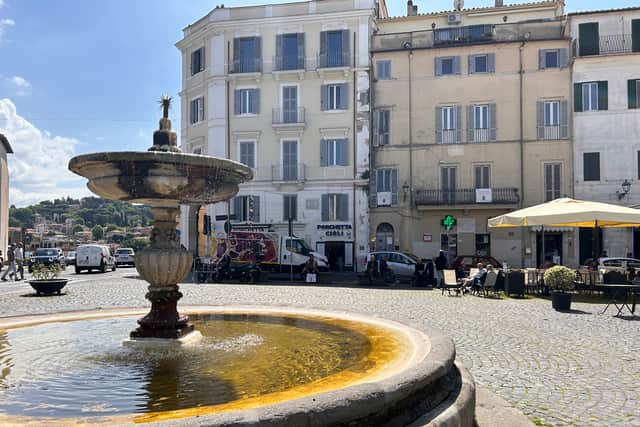
Ariccia is home to the fraschetta, a rustic restaurant typical of the Castelli Romani region. I head to Osteria N.1, where I devour a platter of juicy and tender porchetta, served with apple slices, olives, and ricotta doused in honey.
As I finish my plate, I realise how wrong I was to expect my diet in Italy to consist only of pizza and pasta. Yet I was not wrong to expect plenty of wine. This region’s volcanic soil isn’t just fertile for strawberries – it’s also great for growing grapes.
Verdant vineyards
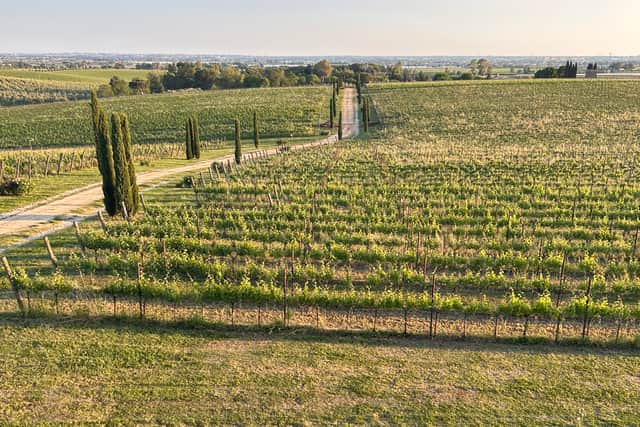
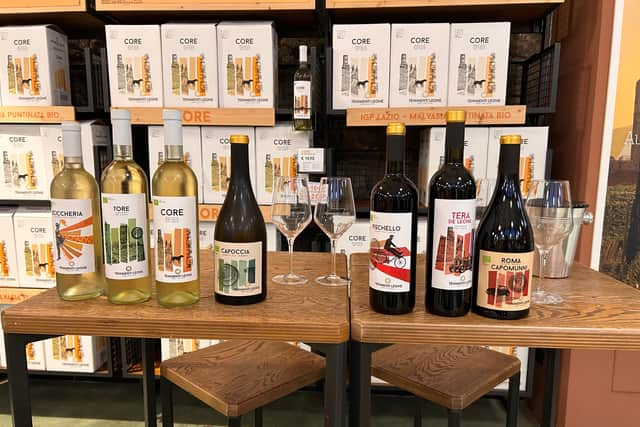
Grape pickers have a lot of ground to cover; the 72-hectare estate features 11 vineyards. Native varieties bellone, malvasia puntinata and cesanese are made under the Roma DOC and Lazio IGP designations, and as part of my tour of the vineyard (from €35/£30pp) I’m lucky enough to sample wines made from these blends.
Ancient architecture
From caves to churches, Castelli Romani is an area renowned for its ancient architecture. The picturesque town of Castel Gandolfo, by Lake Albano, is a shrine to the work of Baroque architect Gian Lorenzo Bernini.
Piazza della Libertà, the town’s main square, is the perfect place to sit at an outdoor cafe and sip an espresso.
Roman holiday
But it’s not just these villages that bear Bernini’s work – he also turned his hand to some of Rome’s most iconic landmarks, such as the Spanish Steps, St Peter’s Basilica, and the Trevi Fountain.
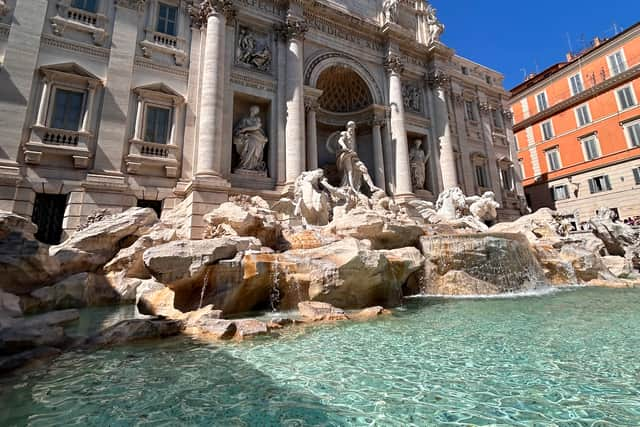
Visiting in spring and autumn is ideal – being sure to avoid religious holidays. Shoulder season also ensures you won’t be a victim of the searing heat gripping hold of southern Europe in July and August. Even in mid-May, at a steady 26C, things are getting toasty.
But by following in the footsteps of Italy’s many wise popes, a heavenly, hillside destination awaits.
How to plan your trip
ITA Airways (ita-airways.com) operate a new nonstop route between Rome–Fiumicino Airport (FCO) to London City Airport (LCY), with business class available. Flights also available from Manchester, Bristol, Newcastle and Glasgow.