

The Chinese car brands on the rise: What you need to know
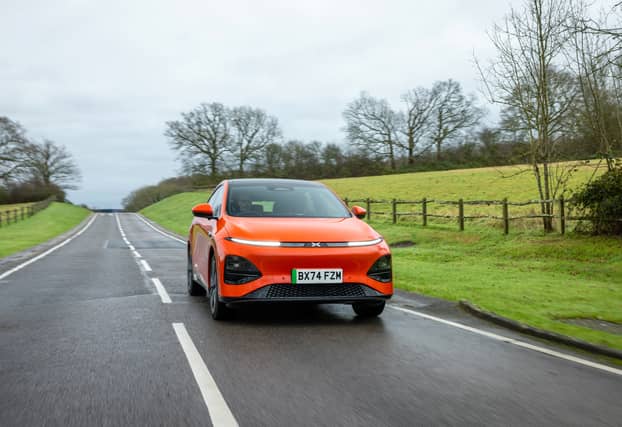

There has been a steady rise in the number of Chinese manufacturers arriving in the UK and even in the last 12 months alone, they’ve increased rapidly. Joining the fray with a variety of low-cost offerings, these manufacturers have already made a significant impact on the motoring landscape and look set to keep that up in the future.
But what are the current Chinese brands to look out for and how are they doing things differently? Let’s take a look.
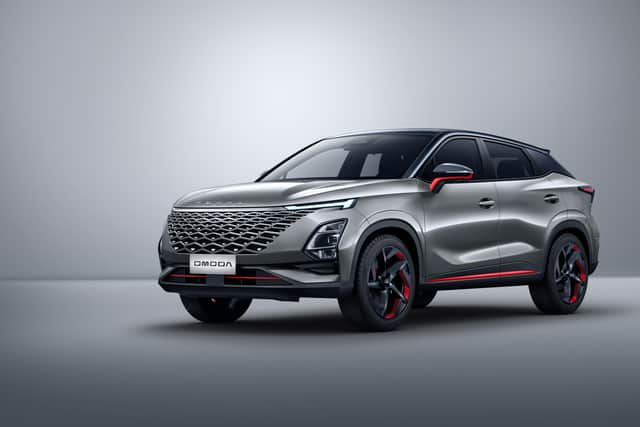
Omoda falls underneath the wider umbrella of Chinese car manufacturer Chery and is already hot-footing it into the UK’s car scene. It’s the sister brand to Jaecoo, too, and whereas that company focuses more on luxury and practicality, Omoda has its eye on sportiness instead.
It has kicked things off in the UK with the 5 SUV, which competes against the likes of the MG HS and Kia Sportage. While the 5 is available with hybrid engines, the E5 is its battery-powered stablemate.
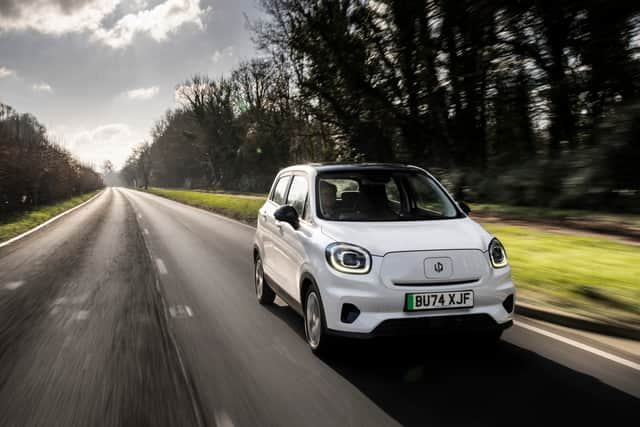
Leapmotor has done things slightly differently to the others. While it is a Chinese brand, 49 per cent of it is owned by the European car manufacturing giant Stellantis, which also owns firms like Peugeot and Citroen. As a result, Leapmotor already has a strong base in Europe thanks to its significant backing.
It only started European sales last year but already has two offerings here in the UK. There’s the tiny T03, which rivals the new Dacia Spring and this is joined by the C10, a mid-size SUV to go up against cars like the Skoda Enyaq.
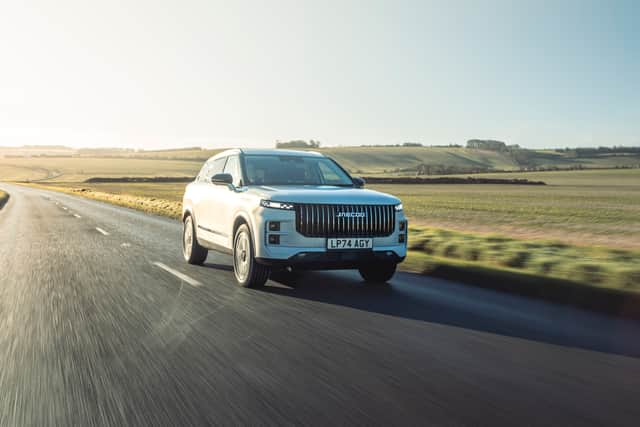
Jaecoo has a significant presence here in the UK, owing to competitive pricing and leasing deals. For now, it just has the one car on offer here – the J7 – which is a mid-size SUV available with both petrol and plug-in hybrid powertrains.
Jaecoo – like Omoda – is owned by Chery and, as a result, has significant backing for expansion here. It is believed that Jaecoo’s next car will be a smaller version of the J7 to take on cars like the Lexus LBX.
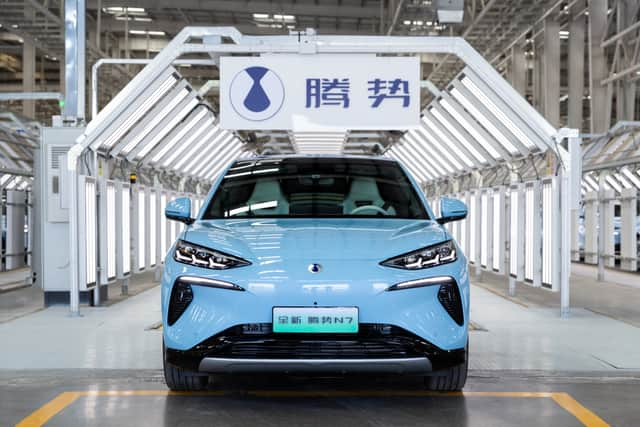
Denza acts as the premium sub-brand to BYD – think of what Lexus is to Toyota and you’re on the right track. It’s one of the latest companies to arrive on European shores, too, and will soon be offering its first vehicle with the Z9 GT. It’s a car which is built in a similarly sporty vein to cars like the Porsche Taycan – though it’ll be available with both plug-in hybrid and electric powertrains, whereas the Porsche is only equipped with the latter.
Denza will continue to target the more premium end of the market when it broadens its range of cars with the Z9 and D9 SUVs in the near future.
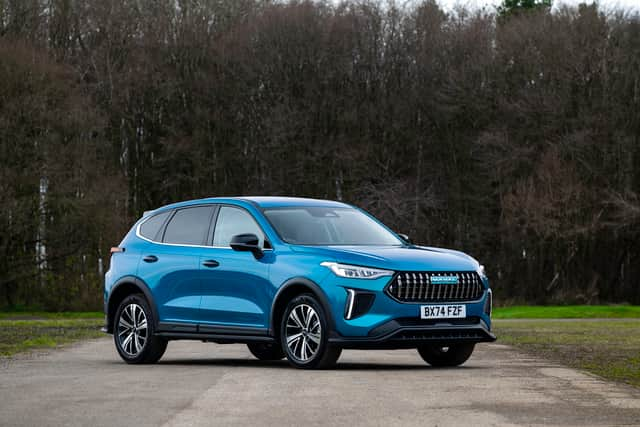
You can pull together Haval and Ora – they’re both owned by the Chinese giant Great Wall Motors, or GWM. In the UK, they’re a real newcomer, with Ora launching its first car – the interestingly named Funky Cat – back in 2022.
Haval, meanwhile, only has one car on offer currently, the Jolian Pro. It’s one of the cheapest SUVs on sale in the UK and comes with a hybrid engine to help make this Nissan Qashqai-rivalling car more efficient.,
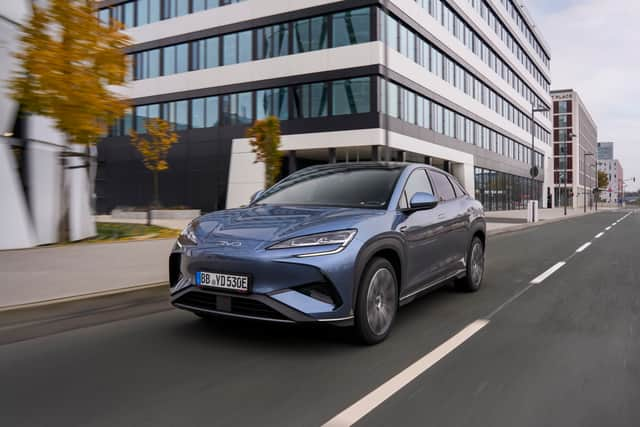
You could argue that BYD is now one of the more ‘historic’ of the Chinese newcomers here, having had a presence for a number of years. Starting off as a battery manufacturer put BYD in good stead for electric vehicles and now it’s one of the most recognised EV-only brands in the UK.
BYD has a good number of cars on sale in the UK today, with hatchbacks, saloons and SUVs all available.
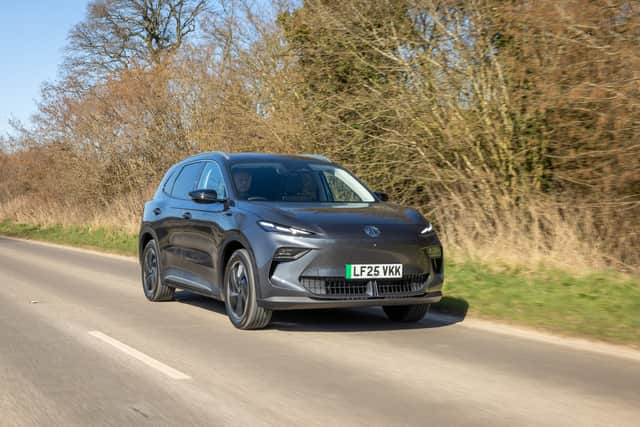
While MG may have started life as a British car manufacturer, today it is very much the fully-fledged Chinese company, falling under the banner of the larger SAIC firm which is owned by the Chinese state government.
Today, MG outsells many more established brands such as Skoda and Mini, bringing a range of low-cost electric and hybrid models to market.
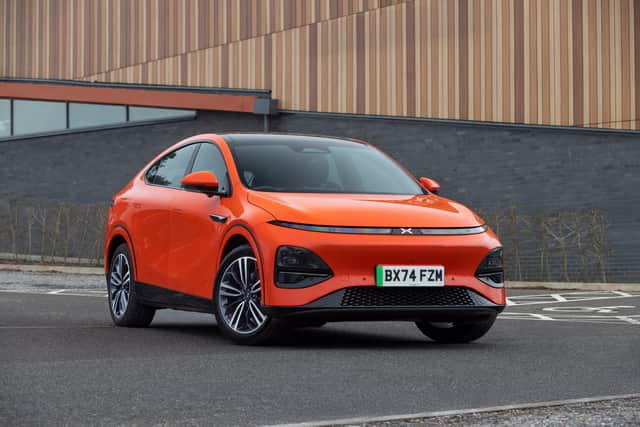
Xpeng is one of the freshest faces on the market. Originally from Shanghai, this brand – like others – focuses on electric vehicles. Launching with the mid-size G7 SUV, Xpeng puts a big emphasis on technology and equipment levels.
Having already established a presence in Scandinavian countries means that Xpeng has a good backing to begin with.
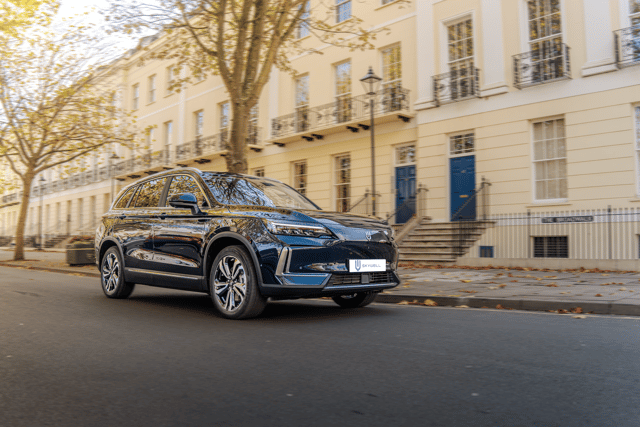
Skywell adds to this long list of newcomers to the UK market. Imported here by Innovation Automotive (IA), Skywell has a range of electric cars, trucks and vans. However, its main vehicle at the moment is the BE11, which is a five-seater SUV with electric power.
Again, Skywell focuses on making electric vehicles that undercut many rivals on price.
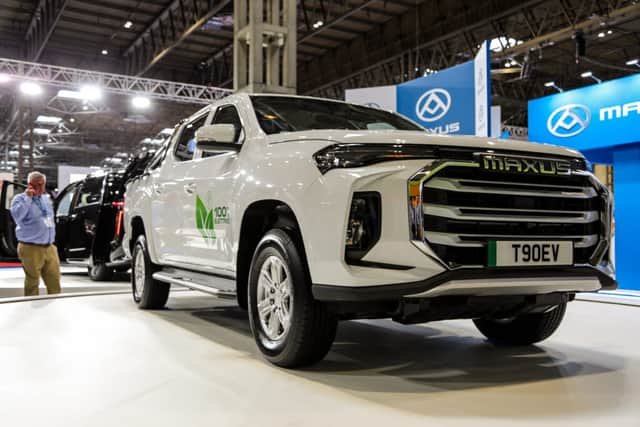
Maxus may be a relatively unheard-of brand, but it started life as something you might recognise – LDV. When LDV was acquired by the Chinese state-owned SAIC back in 2010 it underwent a complete transformation, rebranding as Maxus and returning to the UK as a shiny new creator of battery-powered vans.
Maxus already has a number of dealers here in the UK, too, giving it a significant launchpad for its electric vehicles.