

Shahnaz Ahsan: What you need to know about British-Bangladeshi cuisine
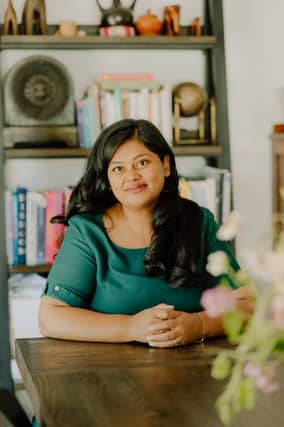

“Lots of ‘Indian’ restaurants in the early 1970s were actually set up by Bangladeshis,” says food writer Shahnaz Ahsan.
Her own grandfather – who emigrated to Manchester in 1956 with her grandmother, and set up one of these eateries – focused on better-known Indian cuisine in order to cater to white British clientele.
“So I don’t think that the UK generally has much of an understanding of the nuances and what Bangladeshi cuisine actually is,” Ahsan says, partly because Bangladesh didn’t gain independence from Pakistan until 1971.

So what do you need to know about Bangladeshi, and British-Bangladeshi, food?
The basics
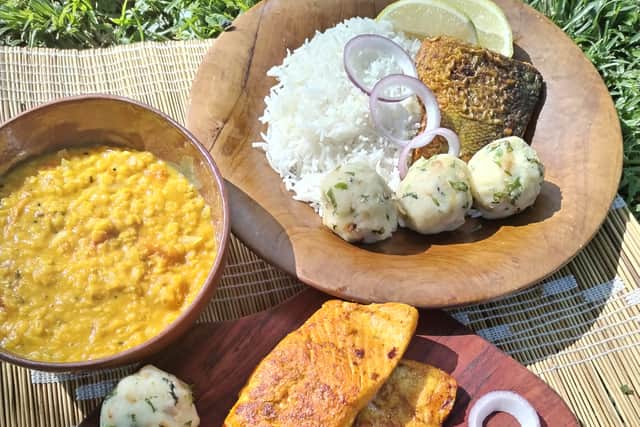
“We have lots of lentils, lots of fish and lots of vegetables – they are the key core trio of Bengali cuisine,” says Ahsan. But for something “really specifically Bangladeshi, we have a bhortas. It’s a mash and you can make this mash out of anything – potatoes, fish – it’s the style of cooking that is really distinctively Bengali.
“Lots of things are cooked over an open flame very traditionally, vegetables are stir-fried, fish is often fried, curries can either be thin or quite saucy. In modern day, we’d use an oven, but traditionally people would use a clay pit and that gives a really smokey flavour.
“Cooking on wood gives traditional food a really smoky taste, which is one of the things that I miss about cooking Bangladeshi food in the UK, because you can’t quite match that.”
Key flavours
“I describe [the cuisine] to people who are not familiar with it as a cross between generic Indian and generic Thai. I use the word generic specifically because there’s huge amounts of variety in both of those, but I place Bengali as being a little bit of both,” says Ahsan.
“You have the lightness of the citrus, you’ve got the heat from the green chili. We also really like using smoky red chilli as well. Turmeric goes in pretty much everything.”
There’s also a lot of “mustard oil, mustard seeds, green chilli, lots of lime”.
Everyday dishes
Common home-cooked dishes include stir-fried vegetables, greens or a quintessential chicken curry. “The aloo chicken is basically potatoes and chicken in a curry and every child thinks that their mother’s version is the best thing ever,” she laughs. “To me, that’s a very quintessential midweek meal to cook for your children.
The significance of Jackfruit
The national vegetable of Bangladesh, the jackfruit has huge cultural significance to Bangladeshi families, she says. “The jackfruit has become quite trendy in Western – especially vegetarian – cuisine in the past 10 years, but I actually grew up with it.
“Bangladeshi families will always buy a huge jackfruit to welcome anybody whose coming home after they’ve been travelling – it’s really a cultural icon.
So what’s the best way to eat it?
“Traditionally, in Bangladesh, we tend to have jackfruit when it’s ripe, it’s a sweet fruit so you don’t need anything else with it. If it’s really sweet and soft, people like to have it with sticky rice and cream or yoghurt – it makes a very delicious dessert.”
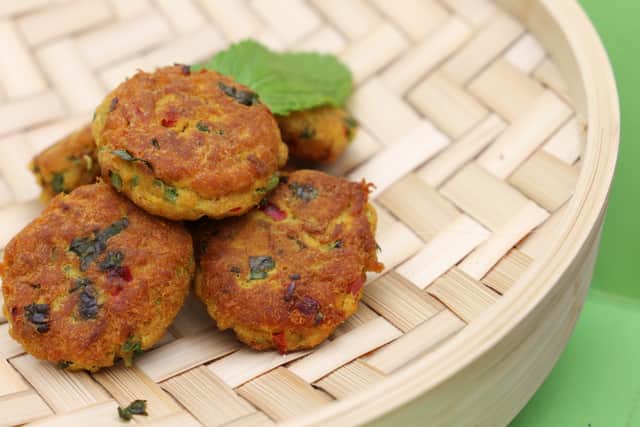
Tinned jackfruit from a supermarket is green and unripe, but perfect for cooking. One of her recipes, jackfruit koftas, is an accessible route in.
British-Bangladeshi is different to Bangladeshi cuisine
British-Bangladeshi crossover cuisine is quite distinctive, says Ahsan. “The thing that makes it really distinctly British-Bangladeski is how we use ingredients that are quite familiar. When my grandparents first arrived in the UK, they were very used to cooking with fish, but in the late 1950s, the fish they could access here was tinned or battered.
And every culture has a recipe for a whole roast chicken, she says. “There’s something about the ceremony of it, what our family makes – and lots of other British-Bangladeshis – is a whole chicken flavoured with Bengali spices. We’d use turmeric, chilli, ground coriander, ground cumin, yoghurt, garlic, ginger and lemon juice, and marinate the chicken in that with the skin off.
“It’s super easy and we often serve that either for Sunday lunch or at Christmas time.”
The food culture
Food is “hugely” important to Bengali culture, she says. “It’s not just the food that we eat, it’s also when you eat it. We have like five meals a day. When people come, you always serve something. You serve tea with some kind of crunchy snack or some sweet dish – there’s huge amounts of hospitality and sharing.”
The jackfruit symbolises that custom in a way. “They’re absolutely enormous, you would never buy it for yourself, by the very nature of it, you buy to share with family or friends or neighbours.
The Jackfruit Chronicles: Memories and Recipes from a British-Bangladeshi Kitchen by Shahnaz Ahsan is out now (HarperNorth, £16.99)