

Is it a migraine or a headache?
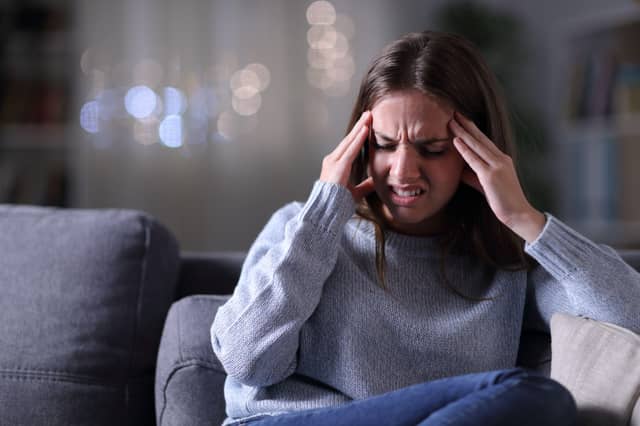

The occasional headache is usually a mild, short-lived annoyance – but when the pain becomes intense and lingers it could indicate something more serious, like a migraine.
Migraines require specific treatment and management, so it’s important to not just brush them off as “just a bad headache”.
With Migraine Awareness Week (September 22–28) speedily approaching, we spoke to Debbie Shipley, head of information and support at The Migraine Trust, who shared valuable insights into what truly sets migraines apart from a normal run-of-the-mill headache.
What causes migraine attacks?
“Migraine is a complex neurological condition, that is understood to be the result of abnormal brain activity affecting nerve signals, chemicals and blood vessels in the brain,” explains Shipley. “People with migraines will experience migraine attacks, and while there may be individual triggers for these (such as dehydration or stress), these are not the cause.”
What are the pain characteristics that make migraines distinctive from headaches?
“Migraine attacks often involve moderate to severe head pain,” says Shipley. “The headache is typically throbbing and is made worse by movement or light. It is usually on one side of the head, especially at the start of an attack.”
The NHS website defines severe pain as pain which is always there and makes it hard to think, talk or sleep and also makes difficult to move, get out of bed, go to the bathroom, wash or dress.
According to NICE (National Institute for Health and Care Excellence), migraines without aura can only be clinically diagnosed in a person presenting with at least five attacks fulfilling the following criteria:



Your migraines are severe or getting worse, or lasting longer than usual.
You have migraines more than once a wee.
You’re finding it difficult to control your migraines.
You regularly get migraines before or during your period.
It also advises that you should seek an urgent GP appointment or call 111 if a migraine lasts longer than 72 hours, if aura symptoms persist for more than an hour at a time, or if you are pregnant.