

First Drive: Cupra strikes a distinctive note with the Terramar
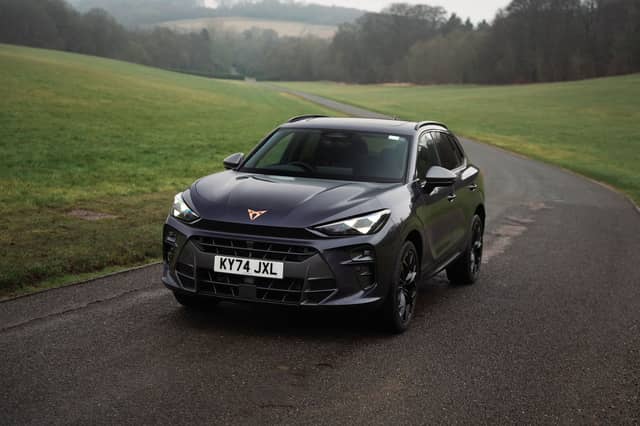

Cupra is sprinting ahead with its new car range. Its days of being the rather quirky sub-brand to Spanish firm Seat appear to be well into Cupra’s rear-view mirror and today, it’s offering more cars than ever. This model – the Terramar – is designed to fill a niche in the brand’s line-up.
But Cupra already has a number of SUV and crossover offerings, so what can the Terramar really bring to the table? We’ve been finding out.
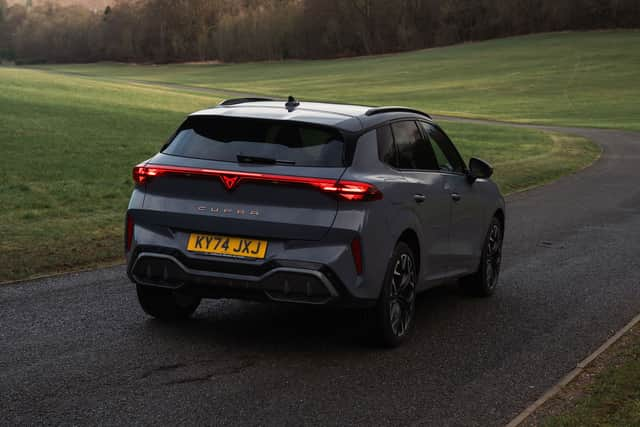
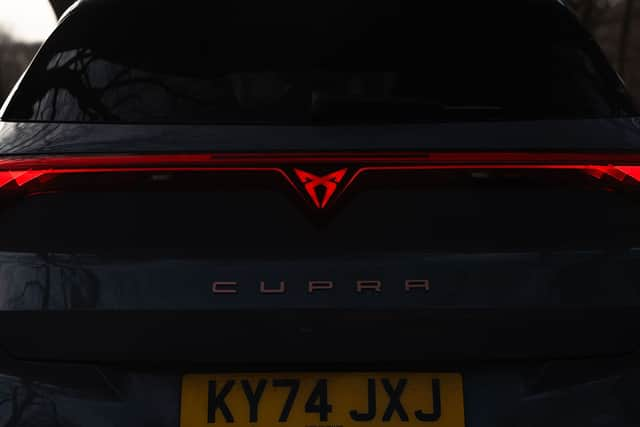
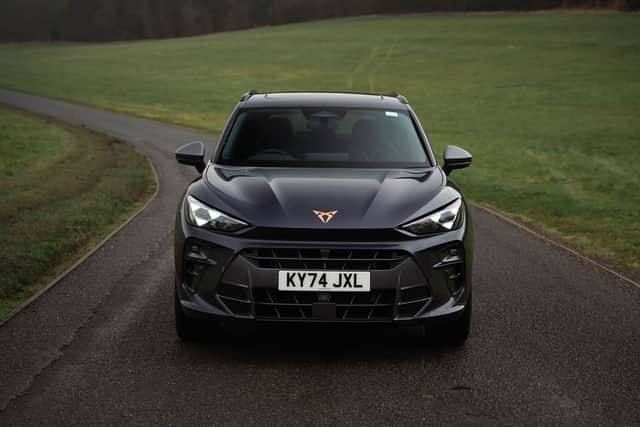
As with other Cupra models the Terramar has been designed with a sportier feeling overall and that’s no bad thing as in the crossover segment looks play a big part. It’s why you’ll find all manner of angular shapes and sharp, distinctive lighting elements included to help this Cupra stand out even more.
But underneath its striking exterior sits a tried-and-tested platform. It’s a version of the Volkswagen MQB Evo, similar to that used under cars like the Volkswagen Tiguan. As a result, the Terramar is available with a good – and familiar – line-up of engines.
You can get the Terramar with one of five different powertrains and while there’s no diesel-powered option within its ranks, the engines which are there should provide enough breadth for buyers. There’s a plug-in hybrid version sitting as the most electrified and it’s this which could prove a great option for drivers looking to lower their fuel bills.
But the one we’re testing is a little more traditional. It’s a 2.0-litre turbocharged petrol engine similar to the one you’ll find in the Volkswagen Golf GTI. With 261bhp, it’s one of the more potent Terramar engine options and is good to get this car from 0-60mph in 5.7 seconds. As a result, however, it’s not one of the most efficient with Cupra claiming 33.2mpg.
It’s a pleasant place to be, behind the wheel of the Cupra Terramar. There’s plenty of adjustability and, despite being a reasonably high-riding car, you can still get your seat low enough should you want to. The seats are comfortable and there is a good range of physical controls on the steering wheel. Switching off annoying driver assistance systems, for instance, takes just two presses of a wheel-mounted button – there’s no screen-delving required for that, thankfully.
It maintains its composure through the bends, too, with only the slightest amount of lean being present. As in other Volkswagen Group products, this 2.0-litre engine feels strong and purposeful, though the level of gearbox lag is an annoying negative – try to make a quick entrance onto a roundabout, for instance, and the Terramar takes an age to get going before eventually lurching forward. Putting the car into a sportier mode helps reduce this, but it’s still present even then.
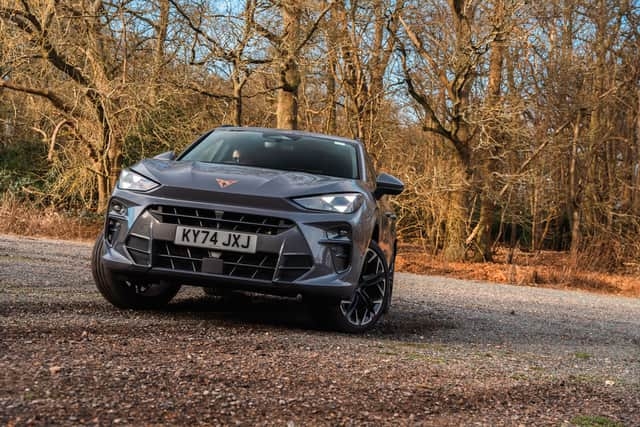
The Terramar cuts a distinctive look out on the road. Our car was finished in an understated ‘Graphene Grey’ colour but, even with this subdued shade being applied, it’s still a car which has a good amount of presence out on the road.
Our only issue is that – to our eyes – there’s not enough distinction between Cupra’s vehicles. The front end of the Terramar looks very close in design to the Formentor or Tavascan and that just makes it more difficult for each car to have its own identity.
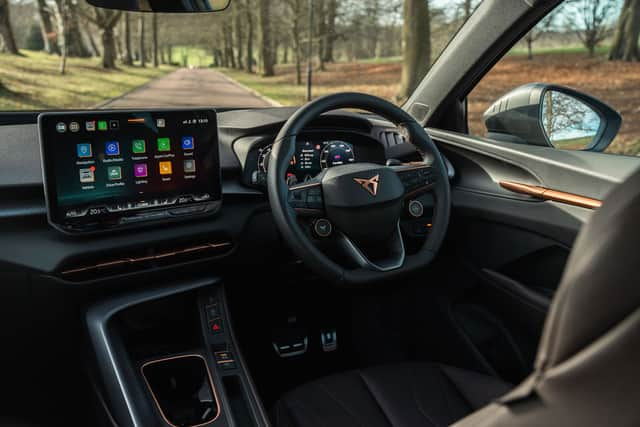
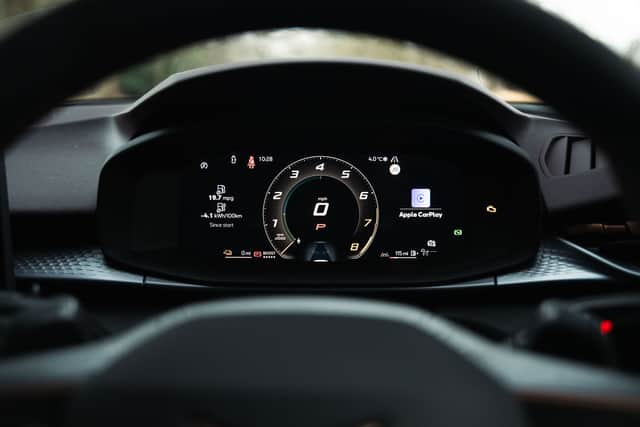
Like other Volkswagen Group products, the Terramar’s interior is dominated by a large main screen but thankfully it’s usable and has plenty of shortcut buttons and menus to help make things easier. The touch-operated ‘bar’ for the volume and heating below the screen remains quite tricky to use on the move and would be much better as a proper ‘physical’ control instead.
But there are decent levels of space and the material quality is good, too. Two large cupholders up front are aided by well-sized door bins and this helps to make the whole car more practical. At 540 litres, the Terramar’s boot feels a bit under rival offerings but, remove the false boot floor and this increases to a very usable 642 litres.
Terramar prices start from £37,605, with these entry-level versions coming equipped with a 1.5-litre mild-hybrid petrol engine. All cars get 18-inch wheels, however, wireless Apple CarPlay and Android Auto and three-zone climate control. Prices for plug-in hybrid versions, meanwhile, start from £44,055.
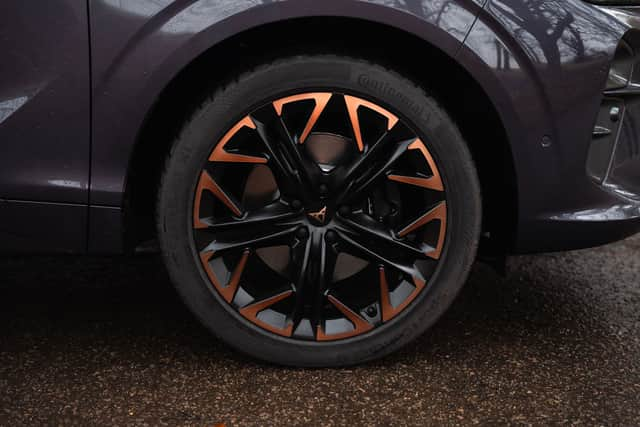
Got the need for speed and want this higher-powered version, however? It’ll cost from £45,095 but does bring added features such as 19-inch alloy wheels, variable LED headlights which can ‘split’ beams depending on if there’s a car in front and adaptive chassis control. Though better equipped, this version will be heavier on fuel, of course, and we’d expect lower-powered versions – and the plug-in hybrid – to prove more popular as a result.
Verdict
The Terramar sits within a heavily contested segment with rivals coming from all angles. In many areas, it stands out well, with this car’s exterior design and smartly-finished interior making a big impact. We’d like a few more physical controls, but that’s a criticism which could be levelled at many cars on sale today.
Does the Terramar go far enough in establishing itself as something different? Not quite. But as a usable and practical crossover, it’s likely to offer more than enough for most.
- Model as tested: Cupra Terramar VZ2
- Price: £48,730
- Engine: 2.0-litre turbocharged petrol
- Power: 261bhp
- Torque: 400Nm
- Max speed: 151mph
- 0-60mph: 5.7 seconds
- MPG: 33.2
- Emissions: 193g/km