

Can your diet help balance out your hormones?
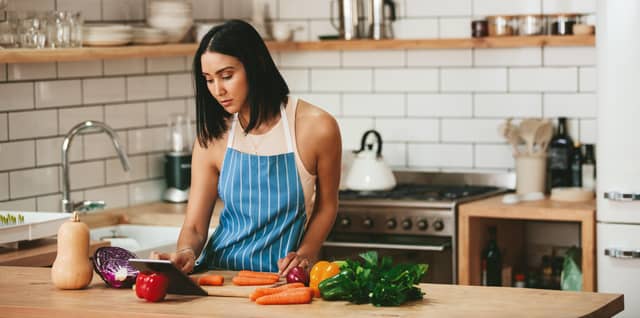

Social media is inundated with videos of influencers claiming that certain superfoods and supplements can boost women’s hormonal health – but how much of this is true?
Carrot salad, broccoli and dandelion tea are just some of the suggestions put forward by Gen Z TikTokers as magical cures to balance our hormones.
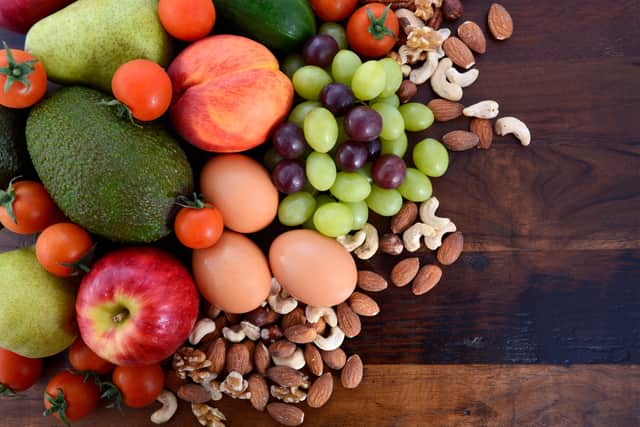
What are the main hormone issues that women struggle with and why are they seeking products to balance out their hormones?
Women of all ages can suffer from an array of hormone-related issues such as PMS, acne and PCOS, but it is during perimenopause and menopause where our hormones arguably go through the biggest changes.
“During perimenopause and menopause, hormones oestrogen, progesterone and testosterone levels fluctuate and decline,” explains Dr Louise Newson, GP and menopause specialist. “These hormones work all over our bodies including our brains.
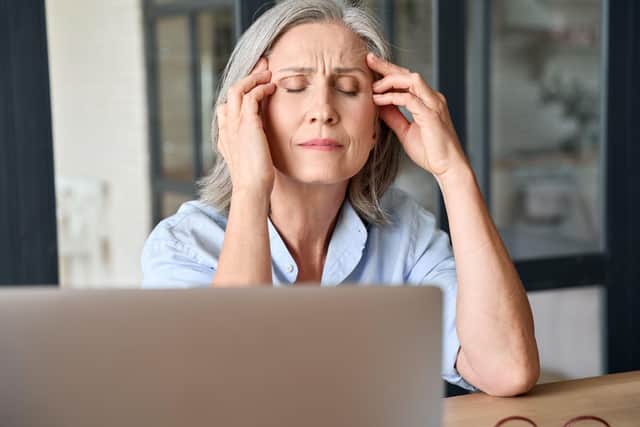
When these symptoms begin to get unbearable, women often seek out solutions to help restore this imbalance.
“Women are really keen to improve both their symptoms and future health,” says Newson. “Many products are incorrectly labelled as being able to balance hormones without any evidence for this.
“The only way of replacing the missing hormones is to be prescribed them.”
Does raw fibrous food help with the regulation of our hormones?
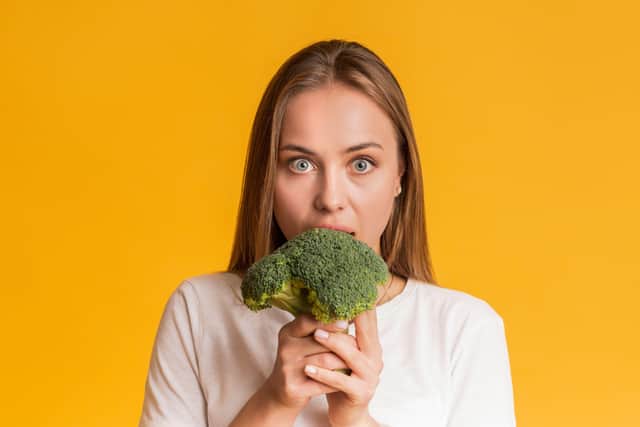
“The estrobolome is a collection of bacteria in the gut that is capable of metabolising and modulating the body’s circulating estrogen,” explains Newson. “Our gut bacteria can be improved by eating a variety of fresh food and avoiding or reducing processed foods.
“Most people don’t eat enough fibre, which causes huge problems and can contribute to inflammation that increases during menopause.”
Beanie Robinson, nutritionist and founder of The Health Space, agrees and says upping our fibre intake is extremely important when it comes to hormonal health.
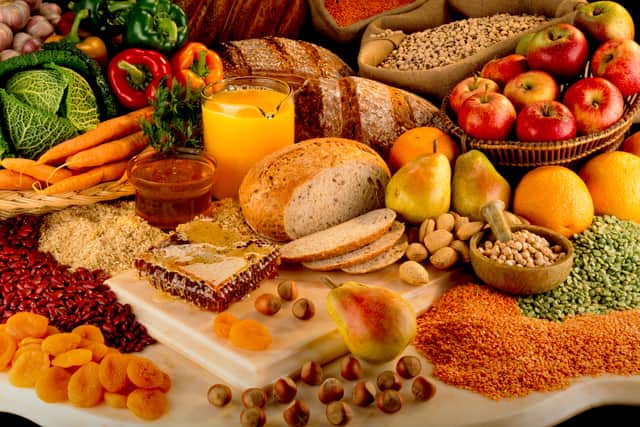
“Elimination and detoxification are very important with hormone balancing, and we want to make sure people are going to the loo regularly.”
However, eating lots of broccoli isn’t going to cure all your issues alone.
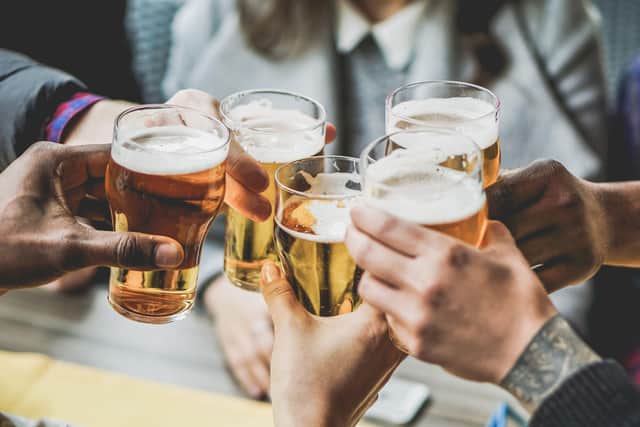
What other lifestyle factors should women be thinking about?
Robinson and Newson both encourage women to view hormonal health in a more holistic way.
“Balancing and replacing missing hormones both improves symptoms and future health,” says Newson. “Nutrition should be part of what we do for any hormonal issue but it shouldn’t be seen as a replacement or instead of hormones.
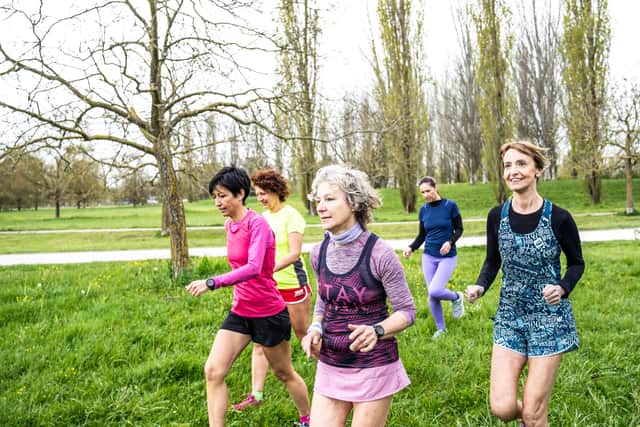
Robinson agrees and says, in most cases, a multi-pronged approach often “garners the most profound results”.
“Spearmint can be fantastic, dandelion and nettle are wonderful, but it isn’t a cure-all solution. It wants to be done in combination with healthy diet and healthy lifestyle habits,” says Robinson. “You can be working with your doctor and be prescribed something and also be working with your nutritionist.”
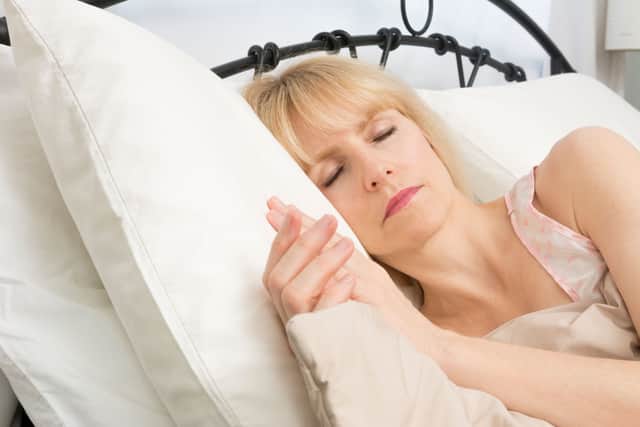
“When we are thinking about hormonal balancing we really want to help someone restore their circadian rhythm,” adds Robinson. “When people have adequate rest and get into a good routine around eating times and about how they make up their plate, you can start to see rhythm and harmony come back into the body, but this takes time.”