

Boiler hacks you need to know about before the first cold snap
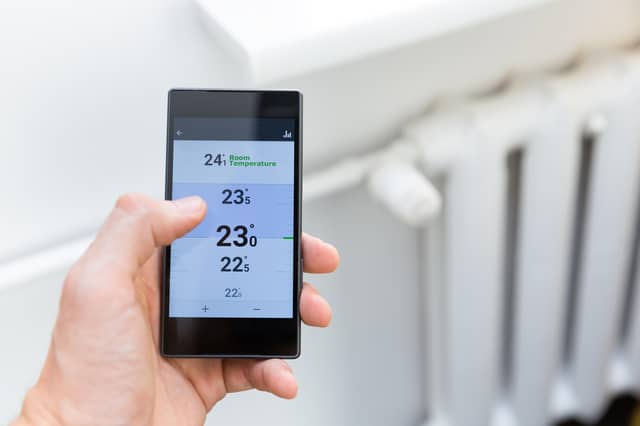

There’s always a sense of trepidation when you fire up the boiler for the first time in months – and those three magic words come to mind: Will it start?
Naturally, you sigh a sense of relief when you hear it igniting, but the life of a boiler has its ups and downs.
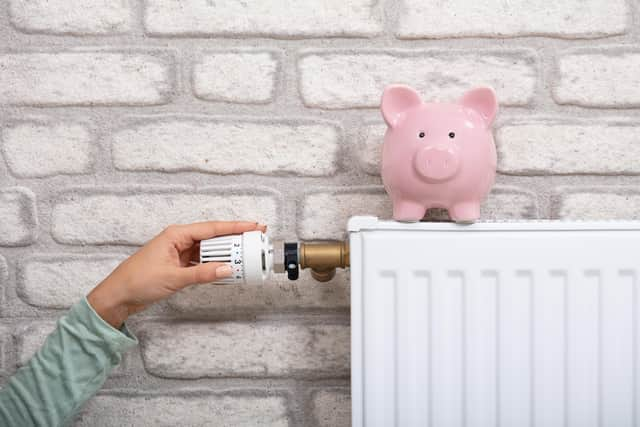
“The benefits of doing so won’t just lower your energy consumption and save money, but will keep warranties valid should issues arise,” cautions Steele. “Something which is often forgotten.”
Here, experts share their top tips for ensuring your hot water and heating runs like clockwork…
Get it serviced
First of all, if you haven’t booked your boiler service yet, make it a priority, advises David Cruz, plumbing expert at Myjobquote.
“The sooner you get it booked in the better, as engineers get incredibly busy dealing with boiler breakdowns as soon as the temperature drops,” warns Cruz. “Gas boilers need servicing annually to ensure they’re safe and working efficiently.”
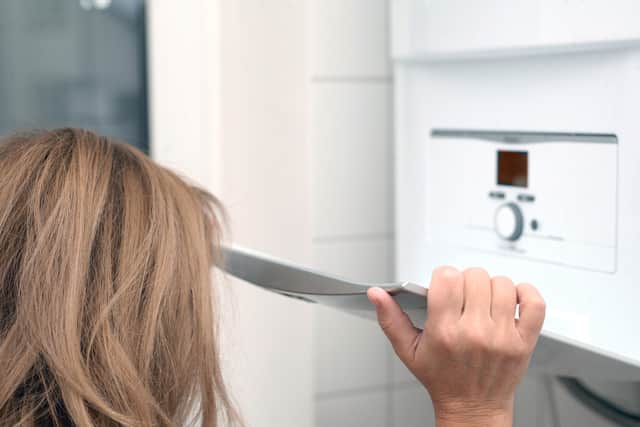
Cruz says you might be feeling smug if you’ve already had your boiler serviced. But before you get complacent, it’s worth giving your boiler a quick test run.
Then, if there are any problems, you’ve got time to get them fixed before the cold weather kicks in.
“To do this, leave your heating running for around 15 minutes. Listen for any unusual sounds and look at the boiler’s display to make sure there are no error codes showing up.
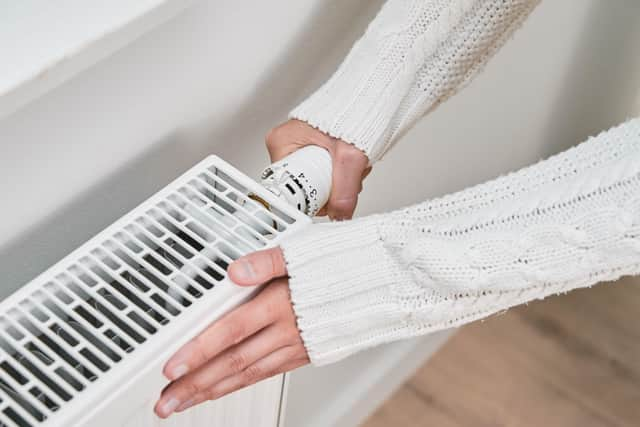
“Once your radiators have been bled, you may need to re-pressurise your system,” he adds.
Carry out a visual inspection
Although a visual inspection can’t replace an annual service, Cruz says it’s a good way to spot problems early before they end up costing you lots of money.
“You can check your boiler’s pressure by looking at the gauge – the needle should be in the green zone,” says Cruz. “Ideally, it’ll be at around 1.5, but as long as it’s sitting between 1 and 3, it’s OK.
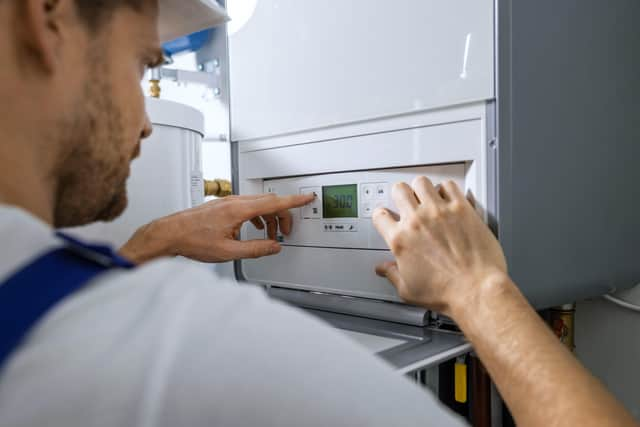
He continues: “While you’re there, give the underneath a visual inspection to make sure there’s no sign of water drips or corrosion on the pipes.”
Go outside and check nothing is blocking the flue. Cruz says if your flue is at risk of being blocked by falling twigs and leaves over autumn, hook on a mesh flue guard – readily available at DIY stores.
Stay in control
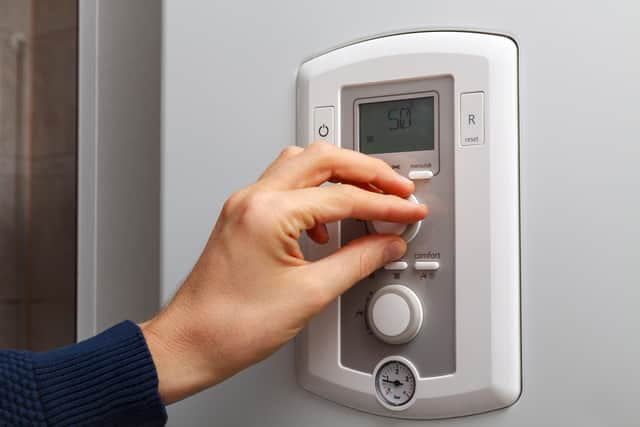
“Your user manual should explain the best settings for your flow temperature, depending on whether you have underfloor heating or radiators,” suggests Cruz.
“If your thermostat is a basic model with just a temperature dial, consider getting it upgraded before winter so you have better control over your heating.”
Add corrosion inhibitor
Steele recommends using corrosion inhibitor and says it’s vital in ensuring your central heating system is working correctly, and will prolong the lifespan of a boiler.
“This is a chemical liquid to break down sludge that has built up from rust to stop a blockage within the system,” explains Steele.
“Water doesn’t mix well with metal so the corrosion inhibitor will provide a healthy balance to your boiler and heating system as a whole, which long term will save money on parts that could be expensive to fix.”
Turn down the flow temperature
A simple setting that could save you more than £100 on your energy bills is turning the flow temperature down on the boiler, suggests Steele.
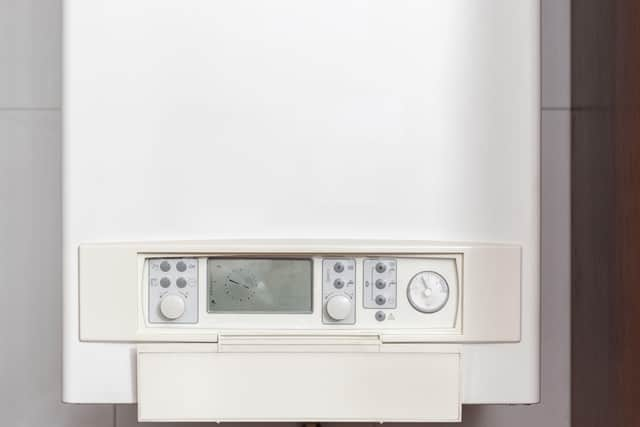
“They are usually located behind a flap on the boiler, so lift it up and turn the temperature down to 50°C as this will efficiently provide enough heat to keep your house warm and for hot water,” says Steele.
“This is particularly useful for those who feel like their water burns their skin, or need to use cold water as well due to the heat.”