

8 ways to stay social after retiring – and why it’s important


Retirement is often perceived as a golden opportunity to travel the world and pursue different passions, but the realities of day-to-day life can often be a shock to the system.
Many of us take the regular social contact of work and its collaborative environment for granted until it is gone.

Some retirees struggle with this sudden increase in downtime.

To help boost your confidence and wellbeing in retirement, here are eight ways to stay social while navigating this next chapter…
1. Consider a gradual transition into retirement
“Find ways to bridge the gap between full-time work and retiring completely,” suggests Doyle. “Finding a volunteer role or moving towards some sort of contract work, or maybe serving on an advisory board can be helpful for navigating this transition out of full-time work.
“People have so much knowledge to offer and it can feel like a waste to do nothing.”
2. Become a volunteer
“Volunteering often utilises the skills you’ve had from the workplace, so it can feel productive,” says Doyle. “Helping others can also help increase our endorphins, which are the feel-good hormones in our brain.
“Volunteering is also often a social experience, so helps nurture social connection and provides a sense of giving back.”
3. Seek out intergenerational connections
“In a world where we increasingly live very individualistically, older people can often feel forgotten,” recognises Doyle. “Finding a place where you’re engaging with different generations – whether that be as a volunteer or at church – can help offer deeper connection.
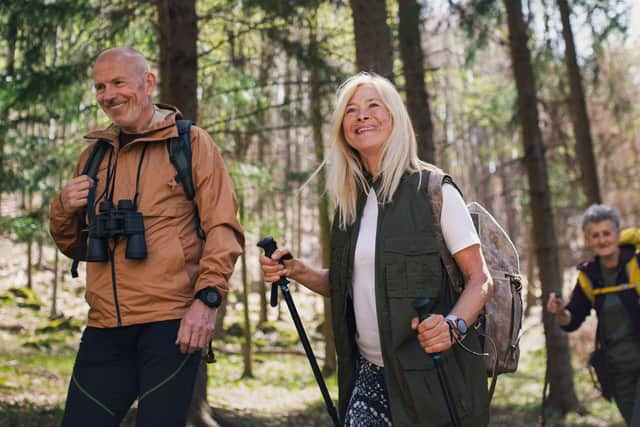
“Walking is free and we know that as people age, they need to work to maintain their mobility,” says Doyle. “So, if you are able to get out and brave the elements and meet a friend for a walk, that can be great. There are also lots of local rambling groups that meet on a regular basis.”
5. Attend a community lunch
Community lunches are put on across the country and are run by a variety of local volunteer groups, charities and community organisations.
“These lunches bring together people who are available midday and want some kind of connection,” explains Doyle. “They often end up having some intergenerational component to them because people volunteer to cook and help out at them.
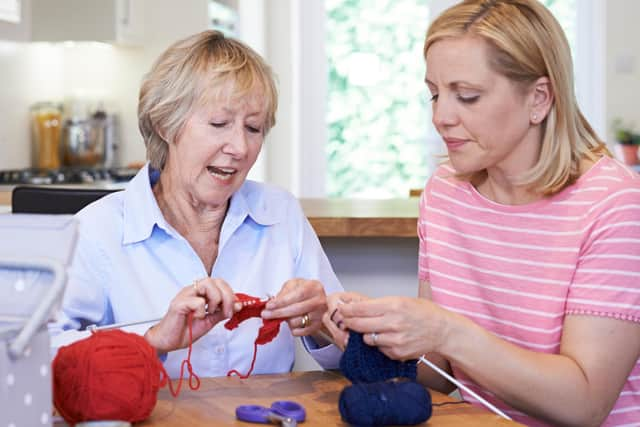
Bonding over a shared passion can help nurture connection.
“When you are passionate about something, you are excited and excitement is infectious,” says Doyle. “It’s much easier to build social connection with people when we are feeling positive. Being a part of a community group where you’re doing similar things and enjoying it together can enormously help contribute towards positive mental health.”

“Find a way to have regular communication with your family,” advises Doyle. “That might be learning how to use technology, such as FaceTime, Zoom or WhatsApp, which will enable you to stay connected. If you aren’t confident with technology, don’t be ashamed to ask for help.”
8. Be proactive
“The most important thing is to be proactive about reaching out to others,” stresses Doyle. “There’s so many free cultural events and community groups happening in many cities and towns across the country but you have to be proactive and seek them out. They’re not going to land in your lap.”